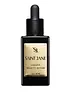
This hydrating oil is formulated around Hippophae Rhamnoides Fruit Extract and Simmondsia Chinensis Seed Oil to hydrate skin and calm redness.
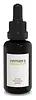
This hydrating serum is formulated around Vitis Vinifera Seed Oil and Daucus Carota Sativa Seed Oil to hydrate skin and calm redness.

What's inside
What's inside
 Key Ingredients
Benefits
Concerns
Ingredients Side-by-side
Helianthus Annuus Seed Oil
Emollient



Butyrospermum Parkii Butter
Skin Conditioning



Punica Granatum Seed Extract
Skin ConditioningVitis Vinifera Seed Oil
Emollient
Cannabis Sativa Flower/Leaf/Stem Extract
Antioxidant
Rosa Canina Seed Extract
EmollientHippophae Rhamnoides Fruit Extract
Skin Conditioning
Simmondsia Chinensis Seed Oil
Emollient
Rosa Damascena Flower Oil
Masking



Helichrysum Italicum Flower Oil
Masking
Cymbopogon Martini Oil
Masking
Citrus Bergamia Melarosa Leaf Oil
Perfuming
Santalum Spicatum Wood Oil
Perfuming
Boswellia Carterii Resin Extract
MaskingPelargonium Graveolens Leaf Oil
Commiphora Abyssinica Resin Extract
Skin ConditioningSclerocarya Birrea Seed Oil
Humectant
Caprylic/Capric Triglyceride
Masking
Opuntia Ficus-Indica Seed Oil
Emollient
Rosmarinus Officinalis Leaf Extract
AntimicrobialHelianthus Annuus Seed Oil, Butyrospermum Parkii Butter, Punica Granatum Seed Extract, Vitis Vinifera Seed Oil, Cannabis Sativa Flower/Leaf/Stem Extract, Rosa Canina Seed Extract, Hippophae Rhamnoides Fruit Extract, Simmondsia Chinensis Seed Oil, Rosa Damascena Flower Oil, Helichrysum Italicum Flower Oil, Cymbopogon Martini Oil, Citrus Bergamia Melarosa Leaf Oil, Santalum Spicatum Wood Oil, Boswellia Carterii Resin Extract, Pelargonium Graveolens Leaf Oil, Commiphora Abyssinica Resin Extract, Sclerocarya Birrea Seed Oil, Caprylic/Capric Triglyceride, Opuntia Ficus-Indica Seed Oil, Rosmarinus Officinalis Leaf Extract
Vitis Vinifera Seed Oil
Emollient
Corylus Avellana Seed Oil
Emollient
Persea Gratissima Oil
Skin Conditioning
Rosa Damascena Flower Oil
Masking
Daucus Carota Sativa Seed Oil
Emollient
Oenothera Biennis Seed Extract
Skin ConditioningRosa Canina Seed Extract
EmollientCitrus Limon Peel Oil
Masking
Lavandula Hybrida Oil
Emollient
Citrus Aurantium Amara Flower Oil
Masking
Citrus Aurantium Bergamia Peel Oil
Perfuming
Boswellia Carterii Resin Extract
MaskingCupressus Sempervirens Oil
Masking
Calendula Officinalis Extract
Skin Conditioning
Medicago Sativa Leaf Powder
Skin ConditioningTaraxacum Officinale Leaf Extract
Skin ConditioningUrtica Dioica Leaf Extract
Skin ConditioningJasminum Grandiflorum Flower Extract
Masking
Hippophae Rhamnoides Extract
MaskingCalophyllum Inophyllum Seed Oil
Antimicrobial
Curcuma Longa Root Extract
Antioxidant
Rosmarinus Officinalis Leaf Extract
AntimicrobialHelianthus Annuus Seed Oil
Emollient
Vitis Vinifera Seed Oil, Corylus Avellana Seed Oil, Persea Gratissima Oil, Rosa Damascena Flower Oil, Daucus Carota Sativa Seed Oil, Oenothera Biennis Seed Extract, Rosa Canina Seed Extract, Citrus Limon Peel Oil, Lavandula Hybrida Oil, Citrus Aurantium Amara Flower Oil, Citrus Aurantium Bergamia Peel Oil, Boswellia Carterii Resin Extract, Cupressus Sempervirens Oil, Calendula Officinalis Extract, Medicago Sativa Leaf Powder, Taraxacum Officinale Leaf Extract, Urtica Dioica Leaf Extract, Jasminum Grandiflorum Flower Extract, Hippophae Rhamnoides Extract, Calophyllum Inophyllum Seed Oil, Curcuma Longa Root Extract, Rosmarinus Officinalis Leaf Extract, Helianthus Annuus Seed Oil
Ingredients Explained
These ingredients are found in both products.
Ingredients higher up in an ingredient list are typically present in a larger amount.
We don't have a description for Boswellia Carterii Resin Extract yet.
Helianthus Annuus Seed Oil is a plant oil derived from the seeds of a sunflower.
It is rich in fatty acids, primarily linoleic acid and oleic acid. This gives it emollient and skin conditioning properties.
The reason this ingredient is so effective is because it forms a thin film on the skin that reduces transepidermal water loss (TEWL) while supplying linoleic acid to the stratum corneum to improve barrier strength.
The high linoleic acid content is particularly noteworthy for acne-prone skin.
Research suggests that acne-prone skin tends to be deficient in linoleic acid in sebum. Topical application may help replenish this to support a healthier follicular environment and less comedone-promoting sebum.
One randomized study found sunflower seed oil preserved skin barrier integrity in adult volunteers with and without atopic dermatitis (outperforming olive oil).
This ingredient is well-studied, gentle, and an effective emollient suitable for most skin types.
On fungal acne: This ingredient may not be Fungal acne (Malassezia folliculitis) safe. This is because it contains fatty acids with carbon chain lengths in the C11-C24 range.
Learn more about Helianthus Annuus Seed OilWe don't have a description for Rosa Canina Seed Extract yet.
Rosa Damascena Flower Oil is an essential oil made from the Damask Rose. It is often used as a fragrance in cosmetics.
Rose Oil has antibacterial and antioxidant properties due to its terpene, glycoside, flavonoid, anthocyanin, and Vitamin C content.
Other major parts of Rose Oil include citronellol and geraniol. Both of these are known EU allergens and cause contact-allergies.
The downsides of this ingredient outweight the positives.
Learn more about Rosa Damascena Flower OilThis is a botanical extract from the rosemary plant (the same one you cook with). In skincare, it mostly works as a skin conditioning agent.
Its activity comes from a handful of polyphenols, carnosic acid, carnosol, and rosmarinic acid. Almost 90% of the antioxidant activity of this ingredient can be attributed to canosol and carnosic acid.
These compounds protect your skin two ways:
1) They fight off free radicals, or the unstable molecules from things like sun and pollution that age and damage skin.
2) They help calm inflammation by switching off the chemical signals that tell skin to get red and irritated.
Lab studies also suggest that rosmarinic acid may help protect collagen and slow sugar-related damage to it.
The Cosmetic Ingredient Review has concluded rosemary-derived ingredients to be safe when formulated to be non-sensitizing.
Rosemary can occasionally cause allergic contact dermatitis (due to carnosol), so be sure to patch test if you have reactive or fragrance-sensitive skin.
Learn more about Rosmarinus Officinalis Leaf ExtractVitis Vinifera Seed Oil comes from the grape vine. Grape seeds are a byproduct of creating grape juice or wine.
The components of grape seeds have many skin benefits. Research has found it to be antimicrobial and anti-inflammatory. It also contains many potent antioxidants such as Vitamin E , Vitamin C, proanthocyanidins, polyphenols, flavonoids, and anthocyanins. Proanthocyanidin has been shown to help even out skin tone.
Antioxidants help fight free-radical molecules. Free-radical molecules are capable of damaging our cells and other genetic material. Antioxidants help stabilize free-radicals by donating extra electrons. Grape seed extract may help reduce the signs of aging.
The antimicrobial properties of grape seed may help treat acne. However, more research is needed to support this claim.
Grape seed has also been found to help absorb UV rays. Grape seed extract should not replace your sunscreen.
The fatty acids of grape seed oil give it emollient properties. Emollients help soothe and soften your skin by creating a film. This film traps moisture within, keeping your skin hydrated.
Learn more about Vitis Vinifera Seed Oil

