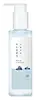
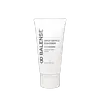
This mild gel cleanser is made to cleanse without leaving your skin tight or dry.
This mild gel cleanser is made to cleanse without leaving your skin tight or dry.


What's inside
What's inside
 Key Ingredients
Benefits
Concerns
Ingredients Side-by-side
Water
Skin ConditioningDisodium Cocoamphodiacetate
CleansingCoco-Betaine
Cleansing
Sodium Cocoyl Alaninate
Surfactant
Disodium Cocoyl Glutamate
Cleansing
Sodium Chloride
MaskingGlycerin
Humectant


Acrylates Copolymer
Decyl Glucoside
Cleansing
Macrocystis Pyrifera Extract
Skin Conditioning

Tropaeolum Majus Flower/Leaf/Stem Extract
Skin ConditioningSea Water
HumectantSodium Hyaluronate
Humectant


Hydroxypropyltrimonium Hyaluronate
Hydrolyzed Sodium Hyaluronate
Skin Conditioning
Hydrolyzed Hyaluronic Acid
Humectant
Sodium Acetylated Hyaluronate
Humectant
Hyaluronic Acid
Humectant
Sodium Hyaluronate Crosspolymer
Humectant
Potassium Hyaluronate
Skin ConditioningHydrogenated Lecithin
Emulsifying
Betaine
Humectant
Allantoin
Skin Conditioning
Tromethamine
BufferingPanthenol
Skin Conditioning
Hexylene Glycol
EmulsifyingDipropylene Glycol
HumectantBeta-Glucan
Skin Conditioning
Potassium Benzoate
Preservative
Fructooligosaccharides
Humectant
1,2-Hexanediol
Skin Conditioning
Citric Acid
Buffering


Disodium EDTA
ChelatingWater, Disodium Cocoamphodiacetate, Coco-Betaine, Sodium Cocoyl Alaninate, Disodium Cocoyl Glutamate, Sodium Chloride, Glycerin, Acrylates Copolymer, Decyl Glucoside, Macrocystis Pyrifera Extract, Tropaeolum Majus Flower/Leaf/Stem Extract, Sea Water, Sodium Hyaluronate, Hydroxypropyltrimonium Hyaluronate, Hydrolyzed Sodium Hyaluronate, Hydrolyzed Hyaluronic Acid, Sodium Acetylated Hyaluronate, Hyaluronic Acid, Sodium Hyaluronate Crosspolymer, Potassium Hyaluronate, Hydrogenated Lecithin, Betaine, Allantoin, Tromethamine, Panthenol, Hexylene Glycol, Dipropylene Glycol, Beta-Glucan, Potassium Benzoate, Fructooligosaccharides, 1,2-Hexanediol, Citric Acid, Disodium EDTA
Water
Skin ConditioningSodium Lauroyl Sarcosinate
CleansingGlycerin
Humectant
Betaine
Humectant
Chondrus Crispus Extract
Skin Conditioning
Sodium Hyaluronate Crosspolymer
Humectant
Gluconolactone
Chelating




Sodium Cocoyl Glycinate
Cleansing
Phenethyl Alcohol
MaskingCaprylyl Glycol
Emollient
Decylene Glycol
Skin ConditioningAmmonium Acryloyldimethyltaurate/Carboxyethyl Acrylate Crosspolymer
Aphanizomenon Flos-Aquae Extract
HumectantXanthan Gum
EmulsifyingPentylene Glycol
Skin Conditioning
Ethylhexylglycerin
Skin ConditioningPotassium Sorbate
Preservative
Disodium EDTA
ChelatingLactic Acid
Buffering

Water, Sodium Lauroyl Sarcosinate, Glycerin, Betaine, Chondrus Crispus Extract, Sodium Hyaluronate Crosspolymer, Gluconolactone, Sodium Cocoyl Glycinate, Phenethyl Alcohol, Caprylyl Glycol, Decylene Glycol, Ammonium Acryloyldimethyltaurate/Carboxyethyl Acrylate Crosspolymer, Aphanizomenon Flos-Aquae Extract, Xanthan Gum, Pentylene Glycol, Ethylhexylglycerin, Potassium Sorbate, Disodium EDTA, Lactic Acid
Reviews
Ingredients Explained
These ingredients are found in both products.
Ingredients higher up in an ingredient list are typically present in a larger amount.
Betaine is a humectant. Like hyaluronic acid, it helps attract and retain moisture in the skin. It’s known for being gentle and for helping the skin maintain balanced hydration.
Betaine is mainly used to improve hydration and support calmer skin. It helps skin cells regulate water balance because it functions as an osmolyte.
Some studies suggest betaine may support making skin tone more even.
Fun fact: Betaine naturally exists in the skin and the body. In cosmetic products, it can be either plant-derived (most commonly from sugar beets) or synthetically produced for consistency and stability.
Betaine is also known as trimethylglycine.
Learn more about BetaineDisodium EDTA is a chelating agent. It grabs onto and deactivates metal ions that sneak into your products from water, packaging, or air.
This ingredient mainly works behind the scenes and helps with:
On top of that, this ingredient can counteract the effects of hard water by binding to the minerals in it.
One thing worth knowing is that Disodium EDTA has been shown to be a mild penetration enhancer. It can help other ingredients absorb into skin more effectively which can be a double-edged sword (great for actives, but can also make the active too strong if you have sensitive skin).
Clinical patch testing showed no significant skin irritation at typical use concentrations and minimal dermal absorption.
You'll most likely see this ingredient near the end of an ingredient list. It's typically found in concentrations less than 1%.
Learn more about Disodium EDTAGlycerin (or glycerol) is a compound naturally found in your skin. It's a powerhouse humectant that pulls water into the stratum corneum.
Topically, glycerin does several things at once:
Your skin makes glycerin on its own (mostly from sebaceous oil breakdown) and shuttles it to your outermost layer of skin, or your epidermis, via aquaporin-3.
Aquaporin-3 is a transporter that is essential for normal skin hydration, elasticity, and repair. Interestingly, mice lacking in AQP3 have dry and less elastic skin that can be fully corrected with glycerin.
This ingredient is non-irritating, plays well with almost every ingredient, and works across all skin types. Typical use is anywhere between 3-10% but can go up to 79% in some leave-on products.
Just know very high concentrations (>40%) can feel tacky in low humidity.
Glycerin is the name for this ingredient in American English. British English uses Glycerol/Glycerine.
Learn more about GlycerinSodium Hyaluronate Crosspolymer is a crosslinked version of sodium hyaluronate. This just means it's linked into a 3D mesh network that lets it be more stable and sit on skin as a cohesive, gel-like film rather than sinking into skin.
A 2016 human skin study found crosslinked HA increased epidermal water content by 7.6% over the control group and reduced transepidermal water loss by 27.8%.
A follow-up clinical trial found that a topical crosslinked HA serum applied after fillers, microneedling, or chemical peels was well-tolerated and enhanced skin quality at 14 / 28 days.
More recent research suggests that concentrations as low as 0.03% can act as a penetration enhancer for other skincare actives.
Learn more about Sodium Hyaluronate CrosspolymerWater. It's the most common cosmetic ingredient of all. You'll usually see it at the top of ingredient lists, meaning that it makes up the largest part of the product.
So why is it so popular? Water most often acts as a solvent - this means that it helps dissolve other ingredients into the formulation.
You'll also recognize water as that liquid we all need to stay alive. If you see this, drink a glass of water. Remember to stay hydrated!
Learn more about Water

