
What's inside
What's inside
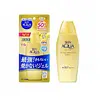 Key Ingredients
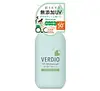
Benefits
Concerns
Ingredients Side-by-side
Water
Skin ConditioningAlcohol Denat.
Antimicrobial





Ethylhexyl Methoxycinnamate
UV Absorber

Butylene Glycol
Humectant
Diphenylsiloxy Phenyl Trimethicone
Skin Conditioning
Diethylamino Hydroxybenzoyl Hexyl Benzoate
UV Filter
Bis-PEG-18 Methyl Ether Dimethyl Silane
EmollientSodium Hyaluronate
Humectant

Sodium Acetylated Hyaluronate
Humectant
Hydrolyzed Collagen
Emollient
Arginine
Masking

Bis-Ethylhexyloxyphenol Methoxyphenyl Triazine
Skin Conditioning
Glycol Dimethacrylate Crosspolymer
Polyvinyl Alcohol
Acrylates/C10-30 Alkyl Acrylate Crosspolymer
Emulsion StabilisingPEG-12 Dimethicone
Skin Conditioning
Disodium EDTA
Xanthan Gum
EmulsifyingMelaleuca Alternifolia Leaf Oil
Antioxidant



Polystyrene
Polyglyceryl-10 Pentaisostearate
Emollient
Methylparaben
Preservative

Water, Alcohol Denat., Ethylhexyl Methoxycinnamate, Butylene Glycol, Diphenylsiloxy Phenyl Trimethicone, Diethylamino Hydroxybenzoyl Hexyl Benzoate, Bis-PEG-18 Methyl Ether Dimethyl Silane, Sodium Hyaluronate, Sodium Acetylated Hyaluronate, Hydrolyzed Collagen, Arginine, Bis-Ethylhexyloxyphenol Methoxyphenyl Triazine, Glycol Dimethacrylate Crosspolymer, Polyvinyl Alcohol, Acrylates/C10-30 Alkyl Acrylate Crosspolymer, PEG-12 Dimethicone, Disodium EDTA, Xanthan Gum, Melaleuca Alternifolia Leaf Oil, Polystyrene, Polyglyceryl-10 Pentaisostearate, Methylparaben
Water
Skin ConditioningButylene Glycol
Humectant
Ethylhexyl Methoxycinnamate
UV Absorber
Hydrogenated Polyisobutene
EmollientCetyl Ethylhexanoate
EmollientDiethylamino Hydroxybenzoyl Hexyl Benzoate
UV Filter
Titanium Dioxide
Cosmetic Colorant
Silica
Abrasive
Cannabis Sativa Seed Extract
EmollientOcimum Basilicum Flower/Leaf Extract
TonicRosa Alba Leaf/Stem Extract
HumectantZingiber Officinale Root Extract
Masking
Abies Alba Seed Extract
Antimicrobial
PEG-12 Dimethicone
Skin Conditioning
Ethylhexyl Triazone
UV Absorber
Bis-Ethylhexyloxyphenol Methoxyphenyl Triazine
Skin Conditioning
Stearyl Dimethicone
Emollient
Triethoxycaprylylsilane
Sodium Acrylate/Sodium Acryloyldimethyl Taurate Copolymer
Emulsion StabilisingPotassium Hydroxide
BufferingPolyglyceryl-3 Methylglucose Distearate
Emulsifying
Tocopheryl Acetate
Antioxidant
Xanthan Gum
EmulsifyingIsohexadecane
EmollientPolysorbate 80
Emulsifying
Sorbitan Oleate
Emulsifying
Glycerin
Humectant
Tocopherol
Antioxidant
Citric Acid
Buffering


Zinc Phosphate
Phenoxyethanol
Preservative
BHT
Antioxidant
Water, Butylene Glycol, Ethylhexyl Methoxycinnamate, Hydrogenated Polyisobutene, Cetyl Ethylhexanoate, Diethylamino Hydroxybenzoyl Hexyl Benzoate, Titanium Dioxide, Silica, Cannabis Sativa Seed Extract, Ocimum Basilicum Flower/Leaf Extract, Rosa Alba Leaf/Stem Extract, Zingiber Officinale Root Extract, Abies Alba Seed Extract, PEG-12 Dimethicone, Ethylhexyl Triazone, Bis-Ethylhexyloxyphenol Methoxyphenyl Triazine, Stearyl Dimethicone, Triethoxycaprylylsilane, Sodium Acrylate/Sodium Acryloyldimethyl Taurate Copolymer, Potassium Hydroxide, Polyglyceryl-3 Methylglucose Distearate, Tocopheryl Acetate, Xanthan Gum, Isohexadecane, Polysorbate 80, Sorbitan Oleate, Glycerin, Tocopherol, Citric Acid, Zinc Phosphate, Phenoxyethanol, BHT
Reviews
Ingredients Explained
These ingredients are found in both products.
Ingredients higher up in an ingredient list are typically present in a larger amount.
You might know this ingredient as Tinosorb S or Bemotrizinol. It is a UV filter that covers both UVA and UVB rays.
This ingredient has two peak UV absorption peaks ( 310 and 340 nm) and is able to absorb both UV-A and UV-B rays. This ingredient works by preventing UV rays from reaching and damaging your skin.
On top of that - it is highly photostable and helps prevent the photodegration of other sunscreen ingredients such as avobenzone.
Tinosorb S is allowed in the EU, Australia, and Asia. It is close to being approved by the FDA and we'll hopefully get this ingredient in the U.S. by late 2025.
Fun fact: Tinosorb S is the most effective UV absorber at maximum concentration (measured by SPF) permitted in the EU.
This ingredient is oil-soluble, so your oil-cleansers will take this right off at night.
Learn more about Bis-Ethylhexyloxyphenol Methoxyphenyl TriazineButylene Glycol (or BG) is used within cosmetic products for a few different reasons:
Overall, Butylene Glycol is a safe and well-rounded ingredient that works well with other ingredients.
Though this ingredient works well with most skin types, some people with sensitive skin may experience a reaction such as allergic rashes, closed comedones, or itchiness.
Learn more about Butylene GlycolDiethylamino Hydroxybenzoyl Hexyl Benzoate (DHHB) is a chemical UV-A absorber. It is formulated for high UVA protection (320-400 nm).
DHHB is well-liked for:
DHHB has been approved by the EU, Japan, Taiwan, and South America for use up to 10%. Unfortunately, it has not been approved for use in the US or Canada due to slow regulatory processes.
This ingredient is soluble in oils, fats, and lipids.
Learn more about Diethylamino Hydroxybenzoyl Hexyl BenzoateEthylhexyl Methoxycinnamate is an organic compound that provides UVB protection. It often goes by the more common name of octinoxate. It is created from methoxycinnamic acid and 2-ethylhexanol.
Ethylhexyl Methoxycinnamate absorbs UVB rays with wavelengths between 280-320 nm. UV absorbers protect your skin by using chemical reactions to convert UV rays into heat and energy.
UVB (290-320 nm) rays emit more energy than UVA rays. They are capable of damaging DNA, causing sunburns and are thought to be linked to skin cancer.
The state of Hawaii has banned sunscreens containing octinoxate due to its potential impact on coral reefs. More research is needed to bridge gaps in this research. The European Union allows higher levels of octinoxate in sunscreens than the US and Australia.
Ethylhexyl Methoxycinnamate is oil soluble. It is not stable and may lose efficacy when exposed to sunlight.
Learn more about Ethylhexyl MethoxycinnamatePEG-12 Dimethicone is a type of water-soluble silicone. It has skin conditioning and hydrating properties.
According to a manufacturer, this ingredient's stability is decreased by strong acid or alkali.
Water. It's the most common cosmetic ingredient of all. You'll usually see it at the top of ingredient lists, meaning that it makes up the largest part of the product.
So why is it so popular? Water most often acts as a solvent - this means that it helps dissolve other ingredients into the formulation.
You'll also recognize water as that liquid we all need to stay alive. If you see this, drink a glass of water. Stay hydrated!
Learn more about WaterXanthan gum is used as a stabilizer and thickener within cosmetic products. It helps give products a sticky, thick feeling - preventing them from being too runny.
On the technical side of things, xanthan gum is a polysaccharide - a combination consisting of multiple sugar molecules bonded together.
Xanthan gum is a pretty common and great ingredient. It is a natural, non-toxic, non-irritating ingredient that is also commonly used in food products.
Learn more about Xanthan Gum
