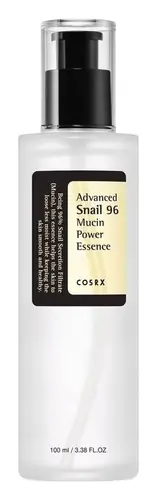
This brightening essence is formulated around Ascorbic Acid and Tocopheryl Acetate to fade the look of dark spots and brighten dull-looking skin.
This brightening moisturizer is formulated around Ascorbyl Glucoside and Dipotassium Glycyrrhizate to fade the look of dark spots and brighten dull-looking skin.

What's inside
What's inside
 Key Ingredients
Benefits
Concerns
Ingredients Side-by-side


Ascorbyl Glucoside
Antioxidant




Tocopheryl Acetate
Antioxidant
Dipotassium Glycyrrhizate
Humectant

O-Cymen-5-Ol
Antimicrobial
Salicylic Acid
Masking








Cajanus Cajan Leaf Extract
Skin ConditioningOenothera Biennis Flower Extract
AstringentSimmondsia Chinensis Seed Oil
Emollient



Lactic Acid
Buffering

Hydrolyzed Roe Extract
HumectantRosa Rubiginosa Seed Oil
Emollient
Disodium EDTA
ChelatingHydroxypropyl Methylcellulose
Emulsion StabilisingCarbomer
Emulsion StabilisingPotassium Hydroxide
BufferingCetearyl Alcohol
Emollient



Hydrogenated Castor Oil
Emollient
Glyceryl Stearate
Emollient
Pentylene Glycol
Skin Conditioning
Glycerin
Humectant
Paraffinum Liquidum
Emollient
Triethylhexanoin
MaskingCaprylic Acid
CleansingButylene Glycol
Humectant
Ascorbyl Glucoside, Tocopheryl Acetate, Dipotassium Glycyrrhizate, O-Cymen-5-Ol, Salicylic Acid, Cajanus Cajan Leaf Extract, Oenothera Biennis Flower Extract, Simmondsia Chinensis Seed Oil, Lactic Acid, Hydrolyzed Roe Extract, Rosa Rubiginosa Seed Oil, Disodium EDTA, Hydroxypropyl Methylcellulose, Carbomer, Potassium Hydroxide, Cetearyl Alcohol, Hydrogenated Castor Oil, Glyceryl Stearate, Pentylene Glycol, Glycerin, Paraffinum Liquidum, Triethylhexanoin, Caprylic Acid, Butylene Glycol
Reviews
Ingredients Explained
These ingredients are found in both products.
Ingredients higher up in an ingredient list are typically present in a larger amount.
Butylene Glycol (or BG) is used within cosmetic products for a few different reasons:
Overall, Butylene Glycol is a safe and well-rounded ingredient that works well with other ingredients.
Though this ingredient works well with most skin types, some people with sensitive skin may experience a reaction such as allergic rashes, closed comedones, or itchiness.
Learn more about Butylene GlycolDipotassium Glycyrrhizate comes from licorice root.
Extracts of licorice have demonstrated to have antibacterial, anti‐inflammatory, antiviral, antioxidant properties.
One component, glabridin, has extra potent antioxidant and soothing properties. It has also been found to block pigmentation from UVB rays in guinea pigs.
Licorice Root also contains a flavonoid. Flavonoids are a natural substance from in plants. Flavonoids also have antioxidant properties.
Another component, glycyrrhizin, has been found to have anti-inflammatory and antimicrobial benefits. This may make licorice root extract effective at treating acne. However, more research is needed to support this.
Liquiritin is one of the flavone compounds found in licorice. It has been found to help lighten skin by preventing tyrosinase from reacting with tyrosine. When the two react, protein is converted to melanin. Melanin is the substance in your body that gives your features pigmentation.
Licorice root is native to Southern Europe and Asia. It has been used in traditional Chinese medicine to help with respiratory issues.
Learn more about Dipotassium GlycyrrhizateDisodium EDTA is a chelating agent. It grabs onto and deactivates metal ions that sneak into your products from water, packaging, or air.
This ingredient mainly works behind the scenes and helps with:
On top of that, this ingredient can counteract the effects of hard water by binding to the minerals in it.
One thing worth knowing is that Disodium EDTA has been shown to be a mild penetration enhancer. It can help other ingredients absorb into skin more effectively which can be a double-edged sword (great for actives, but can also make the active too strong if you have sensitive skin).
Clinical patch testing showed no significant skin irritation at typical use concentrations and minimal dermal absorption.
You'll most likely see this ingredient near the end of an ingredient list. It's typically found in concentrations less than 1%.
Learn more about Disodium EDTATocopheryl Acetate is a stable, shelf-friendly form of vitamin E.
Formulators love it because plain vitamin E oxidizes quickly once it hits air. This acetate version stays stable and resists going off, helping to extend a product's shelf life.
It's actually inactive on its own and works like a slow-release "storage" form; the enzymes in your skin called esterases gradually convert it into active vitamin E over time.
One in vivo study showed 5% of the acetate in the living layer of the epidermis converted to vitamin E after 5 days of application. This study also found the skin gained protection against UV damage even though the conversion was slow and small.
Once converted, vitamin E acts as a skin's main fat-soluble antioxidant that fights free radicals to protect skin from damage.
Topical vitamin E generally boosts the skin's photoprotection, and it reduced UV-damage in animal models.
This ingredient has some brightening potential but it's more of a prevention ingredient than spot-fader. Cell studies show it can slow down melanin production but it's worth noting that it's not the most powerful brightener out there.
Overall, it has a pretty solid safety profile and has been found to be non-irritating and non-comedogenic. Allergic reactions may happen but stay rare due to how widely the ingredient gets used.
The concentration will vary depending on the formula; industry data shows 0.1% in baby lotions, 3% in lipsticks, and 5% in foot powders. You can also find this ingredient at 100% in a pure vitamin E oil.
Most leave-on skincare keeps it at the lower end, often between 0.5-1%.
Learn more about Tocopheryl Acetate