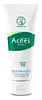
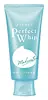
Acnes Clear and Whitening Wash (For Oily & Troubled Skin) Versus Senka Perfect Whip Medicated Cleanser
This salicylic acid cream cleanser is formulated around Salicylic Acid to clear breakouts and unclog pores.
This salicylic acid foaming cleanser is formulated around Salicylic Acid to clear breakouts and unclog pores.

What's inside
What's inside
 Key Ingredients
Benefits
Concerns
Ingredients Side-by-side
Glycerin
Humectant


Water
Skin ConditioningPalmitic Acid
Emollient




Butylene Glycol
Humectant
PEG-2 Stearate Se
EmulsifyingMyristic Acid
Cleansing
Lauric Acid
Cleansing
Potassium Hydroxide
BufferingDisodium Cocoyl Glutamate
Cleansing
Olea Europaea Fruit Oil
Masking

Lauramide DEA
Foam BoostingAlcohol
Antimicrobial


Lauryl Hydroxysultaine
CleansingPotassium Chloride
Sodium Hydroxide
BufferingSalicylic Acid
Masking






Parfum
Masking
Titanium Dioxide
Cosmetic Colorant

O-Cymen-5-Ol
Antimicrobial
Disodium EDTA
ChelatingDipotassium Glycyrrhizate
Humectant

Magnesium Ascorbyl Phosphate
Antioxidant


Saxifraga Sarmentosa Extract
Skin ConditioningTocopheryl Acetate
Antioxidant
Chondrus Crispus
Masking
Propylene Glycol
Humectant
Citric Acid
Buffering
Butyl Avocadate
Skin Conditioning
Glycerin, Water, Palmitic Acid, Butylene Glycol, PEG-2 Stearate Se, Myristic Acid, Lauric Acid, Potassium Hydroxide, Disodium Cocoyl Glutamate, Olea Europaea Fruit Oil, Lauramide DEA, Alcohol, Lauryl Hydroxysultaine, Potassium Chloride, Sodium Hydroxide, Salicylic Acid, Parfum, Titanium Dioxide, O-Cymen-5-Ol, Disodium EDTA, Dipotassium Glycyrrhizate, Magnesium Ascorbyl Phosphate, Saxifraga Sarmentosa Extract, Tocopheryl Acetate, Chondrus Crispus, Propylene Glycol, Citric Acid, Butyl Avocadate
Water
Skin ConditioningStearic Acid
Cleansing
Myristic Acid
Cleansing
PEG-8
HumectantPotassium Hydroxide
BufferingLauric Acid
Cleansing
Glycerin
Humectant
Dipropylene Glycol
HumectantAlcohol
Antimicrobial
Salicylic Acid
Masking
Beeswax
Emulsion Stabilising
Polyquaternium-7
Parfum
Masking
Disodium EDTA
ChelatingPEG-90m
Emulsion StabilisingCI 77288
Cosmetic ColorantSodium Benzoate
Masking
Sodium Metabisulfite
Antioxidant
Sodium Metaphosphate
BufferingCI 77492
Cosmetic ColorantCI 77491
Cosmetic ColorantPEG/PPG-14/7 Dimethyl Ether
Skin ConditioningSodium Hyaluronate
Humectant
Butylene Glycol
Humectant
Sericin
Skin ConditioningCitric Acid
Buffering
Potassium Sorbate
Preservative
Sodium Acetylated Hyaluronate
Humectant
Silica
Abrasive
BHT
Antioxidant
Chamomilla Recutita Flower Extract
Masking
Water, Stearic Acid, Myristic Acid, PEG-8, Potassium Hydroxide, Lauric Acid, Glycerin, Dipropylene Glycol, Alcohol, Salicylic Acid, Beeswax, Polyquaternium-7, Parfum, Disodium EDTA, PEG-90m, CI 77288, Sodium Benzoate, Sodium Metabisulfite, Sodium Metaphosphate, CI 77492, CI 77491, PEG/PPG-14/7 Dimethyl Ether, Sodium Hyaluronate, Butylene Glycol, Sericin, Citric Acid, Potassium Sorbate, Sodium Acetylated Hyaluronate, Silica, BHT, Chamomilla Recutita Flower Extract
Reviews
Ingredients Explained
These ingredients are found in both products.
Ingredients higher up in an ingredient list are typically present in a larger amount.
This ingredient is also called ethanol or ethyl alcohol. It is denatured, meaning made undrinkable for cosmetic use.
In formulas, it:
Is it bad for your skin?
The answer comes down to concentration. Patch and wash studies have found highly concentrated alcohol-based hand rubs (60-100%) cause less barrier disruption than washing with a basic detergent like SLS. The only measurable effect in these studies was a temporary dip in skin hydration.
Concentrations below 12-15% in leave-on cosmetics is generally well-tolerated. Concentrations above start to see increased transepidermal water loss (TEWL) and reduced hydration.
In concentrations about 58%, it creates temporary channels in your skin's lipid layers to become more permeable and allow other ingredients to slip through easily.
This ingredient can be up to 80% of the formula in alcohol-based perfumes.
Overall, this ingredient is probably harmless if found lower down an ingredients list but worth side-eyeing if it's high up (especially if your barrier is already struggling).
Alcohol can worsen dry skin, eczema, and oily skin, especially at higher concentrations. This is because it can increase transepidermal water loss and decrease hydration to disrupt the skin barrier.
According to the National Rosacea Society based in the US, you should be mindful of products with these alcohols in the top half of ingredients.
True allergic contact dermatitis to ethanol is uncommon, but be sure to patch test if you have dry or sensitive skin.
Learn more about AlcoholButylene Glycol (or BG) is used within cosmetic products for a few different reasons:
Overall, Butylene Glycol is a safe and well-rounded ingredient that works well with other ingredients.
Though this ingredient works well with most skin types, some people with sensitive skin may experience a reaction such as allergic rashes, closed comedones, or itchiness.
Learn more about Butylene GlycolCitric Acid is an alpha hydroxy acid (AHA) naturally found in citrus fruits like oranges, lemons, and limes.
Like other AHAs, citric acid can exfoliate skin by breaking down the bonds that hold dead skin cells together. This helps reveal smoother and brighter skin underneath.
However, this exfoliating effect only happens at high concentrations (20%) which can be hard to find in cosmetic products.
Due to this, citric acid is usually included in small amounts as a pH adjuster. This helps keep products slightly more acidic and compatible with skin's natural pH.
In skincare formulas, citric acid can:
While it can provide some skin benefits, research shows lactic acid and glycolic acid are generally more effective and less irritating exfoliants.
Most citric acid used in skincare today is made by fermenting sugars (usually from molasses). This synthetic version is identical to the natural citrus form but easier to stabilize and use in formulations.
Rosacea skin has a lower threshold for acids generally, with 62.5% of rosacea subjects in one study reacting to lactic acid in a sting test. This is why we mark citric acid as a potential rosacea trigger.
However, this ingredient shows up as a pH adjuster or chelator at roughly 0.1-1% in many products. These low levels are unlikely to be an issue for rosacea skin and becomes a potential trigger at exfoliating concentrations (20%). Because everybody's skin is unique, we recommend a patch test if you are unsure.
Learn more about Citric AcidDisodium EDTA is a chelating agent. It grabs onto and deactivates metal ions that sneak into your products from water, packaging, or air.
This ingredient mainly works behind the scenes and helps with:
On top of that, this ingredient can counteract the effects of hard water by binding to the minerals in it.
One thing worth knowing is that Disodium EDTA has been shown to be a mild penetration enhancer. It can help other ingredients absorb into skin more effectively which can be a double-edged sword (great for actives, but can also make the active too strong if you have sensitive skin).
Clinical patch testing showed no significant skin irritation at typical use concentrations and minimal dermal absorption.
You'll most likely see this ingredient near the end of an ingredient list. It's typically found in concentrations less than 1%.
Learn more about Disodium EDTAGlycerin (or glycerol) is a compound naturally found in your skin. It's a powerhouse humectant that pulls water into the stratum corneum.
Topically, glycerin does several things at once:
Your skin makes glycerin on its own (mostly from sebaceous oil breakdown) and shuttles it to your outermost layer of skin, or your epidermis, via aquaporin-3.
Aquaporin-3 is a transporter that is essential for normal skin hydration, elasticity, and repair. Interestingly, mice lacking in AQP3 have dry and less elastic skin that can be fully corrected with glycerin.
This ingredient is non-irritating, plays well with almost every ingredient, and works across all skin types. Typical use is anywhere between 3-10% but can go up to 79% in some leave-on products.
Just know very high concentrations (>40%) can feel tacky in low humidity.
Glycerin is the name for this ingredient in American English. British English uses Glycerol/Glycerine.
Learn more about GlycerinLauric Acid is a saturated fatty acid naturally found in coconut oil, palm kernel oil, and even breast milk.
In cosmetics, it is an:
Lab studies have found that lauric acid is surprisingly good at killing acne-causing bacteria. However, these tests were done on bacteria in a petri dish and not on real skin, so we can't say for certain it works the same in a formulation on a real face.
The comedogenic rating of 4 comes from the 1972 rabbit ear model using undiluted ingredients. Comedogenicity is highly individual and one comedogenic ingredient cannot predict how a formula will behave on skin.
This ingredient is not fungal acne safe and research has confirmed Malassezia can use it as a food source. Even though "fungal acne" has the word "acne" in it, they are completely different. Regular acne is driven by a bacteria called Cutibacterium acnes, clogged pores, and excess oil. Fungal acne isn't really acne; it's caused by an overgrowth of a yeast called Malassezia that already lives on everyone's skin. Because one is bacterial and the other is fungal, they respond to different ingredients.
Learn more about Lauric AcidMyristic Acid, aka tetradecanoic acid, is a naturally occurring fatty acid found in coconut oil and palm oil.
In skincare, it is an:
Research indicates that this ingredient posts a low risk of irritation and sensitization.
Since myristic acid is a C14 fatty acid, it falls within the range that Malassezia can metabolize, and therefore not fungal acne safe.
Learn more about Myristic AcidParfum is a catch-all term for an ingredient or more that is used to give a scent to products.
Also called "fragrance", this ingredient can be a blend of hundreds of chemicals or plant oils. This means every product with "fragrance" or "parfum" in the ingredients list is a different mixture.
For instance, Habanolide is a proprietary trade name for a specific aroma chemical. When used as a fragrance ingredient in cosmetics, most aroma chemicals fall under the broad labeling category of “FRAGRANCE” or “PARFUM” according to EU and US regulations.
The term 'parfum' or 'fragrance' is not regulated in many countries. In many cases, it is up to the brand to define this term.
For instance, many brands choose to label themselves as "fragrance-free" because they are not using synthetic fragrances. However, their products may still contain ingredients such as essential oils that are considered a fragrance by INCI standards.
One example is Calendula flower extract. Calendula is an essential oil that still imparts a scent or 'fragrance'.
Depending on the blend, the ingredients in the mixture can cause allergies and sensitivities on the skin. Some ingredients that are known EU allergens include linalool and citronellol.
Parfum can also be used to mask or cover an unpleasant scent.
The bottom line is: not all fragrances/parfum/ingredients are created equally. If you are worried about fragrances, we recommend taking a closer look at an ingredient. And of course, we always recommend speaking with a professional.
Learn more about ParfumPotassium Hydroxide (also known as potash) is a strong alkaline ingredient that does one job: it nudges a product's pH up so the whole formula lands in a skin-friendly range.
It's also the base that turns oils into liquid soap during the soap making process.
An expert safety panel reviewed it and found it safe when formulations are made to be non-irritating.
As a pH adjuster, it's typically used well under 1% though regulatory caps go much higher: 5% in nail cuticle removers and 2-4.5% in hair straighteners.
Though there is some concern for irritation from raw or high pH material, a well-balanced formula will be a non-issue for the vast majority of people.
Learn more about Potassium HydroxideSalicylic Acid (also known as beta hydroxy acid or BHA) is a well-known ingredient for treating skin that struggles with acne and clogged pores. It exfoliates both the skin's surface and deep within the pores to help clear out buildup, control oil, and reduce inflammation.
Unlike AHAs (alpha hydroxy acids), salicylic acid is oil-soluble. This allows it to penetrate into pores which makes it especially effective for treating blackheads and preventing future breakouts.
Salicylic acid is also known for its soothing properties. It has a similar structure to aspirin and can calm inflamed or irritated skin, making it a good option for acne-prone skin that is also sensitive.
Concentrations of 0.5-2% are recognized by the U.S. FDA as an over-the-counter topical acne product.
It can cause irritation and/or dryness if one's skin already has a compromised moisture barrier, so it's best to focus on repairing that before introducing this ingredient into your routine.
While salicylic acid does not increase sun sensitivity, it’s still important to wear sunscreen daily to protect your skin.
If you are looking for the ingredient called BHA or Butylated Hydroxyanisole, click here.
Learn more about Salicylic AcidWater. It's the most common cosmetic ingredient of all. You'll usually see it at the top of ingredient lists, meaning that it makes up the largest part of the product.
So why is it so popular? Water most often acts as a solvent - this means that it helps dissolve other ingredients into the formulation.
You'll also recognize water as that liquid we all need to stay alive. If you see this, drink a glass of water. Remember to stay hydrated!
Learn more about Water

