

What's inside
What's inside
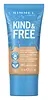 Key Ingredients
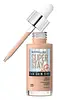
Benefits
Concerns
Ingredients Side-by-side
Water
Skin ConditioningDicaprylyl Carbonate
EmollientDicaprylyl Ether
Emollient
Glycerin
Humectant

Trimethylsiloxysilicate
Emollient
Aluminum Starch Octenylsuccinate
Absorbent
Ethylhexyl Methoxycinnamate
UV Absorber


Sodium Chloride
MaskingZinc Oxide
Cosmetic Colorant
Tri (Polyglyceryl-3/Lauryl) Hydrogenated Trilinoleate
EmulsifyingStearalkonium Bentonite
Gel FormingSilica
Abrasive

Cetyl PEG/PPG-10/1 Dimethicone
Emulsifying
Mica
Cosmetic ColorantPropylene Carbonate
SolventTocopherol
Antioxidant





Panthenol
Skin Conditioning
Sodium Benzoate
Masking
Triethoxycaprylylsilane
Chlorphenesin
Antimicrobial
Aloe Barbadensis Leaf Juice
Skin Conditioning
Methicone
Emollient
Pantolactone
Humectant
BHT
Antioxidant
Pentaerythrityl Tetra-Di-T-Butyl Hydroxyhydrocinnamate
Antioxidant
CI 77891
Cosmetic ColorantCI 77491
Cosmetic ColorantCI 77492
Cosmetic ColorantCI 77499
Cosmetic ColorantWater, Dicaprylyl Carbonate, Dicaprylyl Ether, Glycerin, Trimethylsiloxysilicate, Aluminum Starch Octenylsuccinate, Ethylhexyl Methoxycinnamate, Sodium Chloride, Zinc Oxide, Tri (Polyglyceryl-3/Lauryl) Hydrogenated Trilinoleate, Stearalkonium Bentonite, Silica, Cetyl PEG/PPG-10/1 Dimethicone, Mica, Propylene Carbonate, Tocopherol, Panthenol, Sodium Benzoate, Triethoxycaprylylsilane, Chlorphenesin, Aloe Barbadensis Leaf Juice, Methicone, Pantolactone, BHT, Pentaerythrityl Tetra-Di-T-Butyl Hydroxyhydrocinnamate, CI 77891, CI 77491, CI 77492, CI 77499
Water
Skin ConditioningIsododecane
EmollientDimethicone
Emollient
Alcohol Denat.
Antimicrobial



Trimethylsiloxysilicate
Emollient
Butylene Glycol
Humectant
PEG-10 Dimethicone
Skin Conditioning
Synthetic Fluorphlogopite
Isopropyl Lauroyl Sarcosinate
Skin ConditioningDiisopropyl Sebacate
EmollientDisteardimonium Hectorite
StabilisingTin Oxide
Abrasive
Calcium Aluminum Borosilicate
Dipentaerythrityl Tetrahydroxystearate/Tetraisostearate
Skin Conditioning
Silica
Abrasive
Silica Silylate
Emollient
Hdi/Trimethylol Hexyllactone Crosspolymer
Cellulose
Absorbent
Aluminum Hydroxide
EmollientMagnesium Sulfate
Ascorbyl Glucoside
Antioxidant
Disodium Stearoyl Glutamate
CleansingBis-PEG/PPG-14/14 Dimethicone
Emollient
Tocopherol
Antioxidant
Phenoxyethanol
Preservative
Mica
Cosmetic ColorantCI 77007
Cosmetic ColorantCI 77491
Cosmetic ColorantCI 77492
Cosmetic ColorantCI 77499
Cosmetic ColorantCI 77891
Cosmetic ColorantWater, Isododecane, Dimethicone, Alcohol Denat., Trimethylsiloxysilicate, Butylene Glycol, PEG-10 Dimethicone, Synthetic Fluorphlogopite, Isopropyl Lauroyl Sarcosinate, Diisopropyl Sebacate, Disteardimonium Hectorite, Tin Oxide, Calcium Aluminum Borosilicate, Dipentaerythrityl Tetrahydroxystearate/Tetraisostearate, Silica, Silica Silylate, Hdi/Trimethylol Hexyllactone Crosspolymer, Cellulose, Aluminum Hydroxide, Magnesium Sulfate, Ascorbyl Glucoside, Disodium Stearoyl Glutamate, Bis-PEG/PPG-14/14 Dimethicone, Tocopherol, Phenoxyethanol, Mica, CI 77007, CI 77491, CI 77492, CI 77499, CI 77891
Reviews
Ingredients Explained
These ingredients are found in both products.
Ingredients higher up in an ingredient list are typically present in a larger amount.
Ci 77491 is also hydrated iron III oxide. It's sole purpose is to give a red/pink hue to products.
Iron III oxides are classified as inorganic chemicals for coloring.
Synthetically created Ci 77491 is considered safer than those naturally found. This is because the synthetically created version may contain less impurities. Iron oxides are generally non-toxic and non-allergenic.
Learn more about CI 77491CI 77492 is also hydrated iron III oxide. It's sole purpose is to give a yellow hue to products.
Iron III oxides are classified as inorganic chemicals for coloring.
Synthetically created CI 77492 is considered safer than those naturally found. This is because the synthetically created version may contain less impurities. Iron oxides are generally non-toxic and non-allergenic.
Learn more about CI 77492Ci 77499 is also hydrated iron III oxide. It is created from mixing red and black iron oxides. This helps give shades of darkness to a product.
Iron III oxides are classified as inorganic chemicals for coloring.
Ci 77891 is a white pigment from Titanium dioxide. It is naturally found in minerals such as rutile and ilmenite.
It's main function is to add a white color to cosmetics. It can also be mixed with other colors to create different shades.
Ci 77891 is commonly found in sunscreens due to its ability to block UV rays.
Learn more about CI 77891Mica is a naturally occurring mineral used to add shimmer and color in cosmetics. It can also help improve the texture of a product or give it an opaque, white/silver color.
Serecite is the name for very fine but ragged grains of mica.
This ingredient is often coated with metal oxides like titanium dioxide. Trace amounts of heavy metals may be found in mica, but these metals are not harmful in our personal products.
Mica has been used since prehistoric times throughout the world. Ancient Egyptian, Indian, Greek, Roman, Aztec, and Chinese civilizations have used mica.
Learn more about MicaSilica, also known as silicon dioxide, is a naturally occurring mineral. It is used as a fine, spherical, and porous powder in cosmetics.
Though it has exfoliant properties, the function of silica varies depending on the product.
The unique structure of silica enhances the spreadability and adds smoothness, making it a great texture enhancer.
It is also used as an active carrier, emulsifier, and mattifier due to its ability to absorb excess oil.
In some products, tiny microneedles called spicules are made from silica or hydrolyzed sponge. When you rub them in, they lightly polish away dead skin layers and enhance the penetration of active ingredients.
Learn more about SilicaTocopherol is a fat-soluble antioxidant known as Vitamin E.
You'll find this ingredient in the vast majority of skincare (for good reason). It works to neutralize free radicals, or unstable molecules generated by UV exposure, pollution, and other environmental stressors, before they can cause oxidative damage to your skin cells.
Topically applied tocopherol has been shown to protect against UV damage by ramping up the skin's own natural defense enzymes.
It also acts as a skin conditioning agent; some studies show that regular topical use can improve the skin's water-binding capacity over 2-4 weeks.
This ingredient is especially loved for being a team player. When combined with Vitamin C, the photoprotective effect of both ingredients roughly doubles and the combo also helps reduce UV-induced DNA damage.
This ingredient has some brightening potential but it's more of a prevention ingredient than spot-fader. Cell studies show it can slow down melanin production but it's worth noting that it's not the most powerful brightener out there.
In formulations, it also serves as a stabilizer that helps protect other oxidation-prone ingredients from degrading.
Concentrations usually range from 0.1-1% in most leave-on products.
Learn more about TocopherolThis silicone is an emollient. Emollients create a thin film on the skin to prevent moisture from escaping.
It is not soluble in water and helps increase water-resistance in products.
According to a manufacturer, it can blend seamlessly with silicone oils, such as Cyclopentasiloxane.
Learn more about TrimethylsiloxysilicateWater. It's the most common cosmetic ingredient of all. You'll usually see it at the top of ingredient lists, meaning that it makes up the largest part of the product.
So why is it so popular? Water most often acts as a solvent - this means that it helps dissolve other ingredients into the formulation.
You'll also recognize water as that liquid we all need to stay alive. If you see this, drink a glass of water. Remember to stay hydrated!
Learn more about Water

