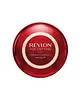
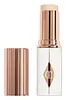
Revlon Age Defy Cream Compact Makeup Versus Charlotte Tilbury Unreal Skin Sheer Glow Tint Hydrating Foundation Stick


What's inside
What's inside
 Key Ingredients
Benefits
Concerns
Ingredients Side-by-side
Caprylic/Capric Triglyceride
Masking


Silica
Abrasive


Tridecyl Trimellitate
EmollientDiisostearyl Malate
EmollientBis-Diglyceryl Polyacyladipate-2
Emollient

Octyldodecanol
Emollient
Synthetic Wax
Abrasive
Lauroyl Lysine
Skin Conditioning
Synthetic Fluorphlogopite
Euphorbia Cerifera Wax
Dimethicone
Emollient

Hydrogenated Castor Oil
Emollient
Palmitoyl Tripeptide-1
Skin Conditioning


Pentaerythrityl Tetraisostearate
Emollient
Propylene Carbonate
SolventRicinus Communis Seed Oil
Masking
Sodium Hyaluronate
Humectant

Stearalkonium Hectorite
Gel FormingTocopheryl Acetate
Antioxidant


Iron Oxides
CI 77492
Cosmetic ColorantCI 77499
Cosmetic ColorantCI 77891
Cosmetic ColorantCaprylic/Capric Triglyceride, Silica, Tridecyl Trimellitate, Diisostearyl Malate, Bis-Diglyceryl Polyacyladipate-2, Octyldodecanol, Synthetic Wax, Lauroyl Lysine, Synthetic Fluorphlogopite, Euphorbia Cerifera Wax, Dimethicone, Hydrogenated Castor Oil, Palmitoyl Tripeptide-1, Pentaerythrityl Tetraisostearate, Propylene Carbonate, Ricinus Communis Seed Oil, Sodium Hyaluronate, Stearalkonium Hectorite, Tocopheryl Acetate, Iron Oxides, CI 77492, CI 77499, CI 77891
C15-19 Alkane
SolventOctyldodecanol
Emollient
Tridecyl Trimellitate
EmollientMica
Cosmetic ColorantPentaerythrityl Tetraisostearate
Emollient
Polyethylene
Abrasive
Bis-Diglyceryl Polyacyladipate-2
Emollient
Sucrose Tetrastearate Triacetate
Emollient
Raphanus Sativus Seed Extract
Skin ConditioningCera Microcristallina
Emulsion StabilisingSilica
Abrasive
Silica Silylate
Emollient
Helianthus Annuus Seed Oil
Emollient
Tocopheryl Acetate
Antioxidant
Disteardimonium Hectorite
StabilisingPentaerythrityl Tetra-Di-T-Butyl Hydroxyhydrocinnamate
Antioxidant
Triethoxycaprylylsilane
Ricinus Communis Seed Oil
Masking
Hydrolyzed Sodium Hyaluronate
Skin Conditioning
Lupinus Albus Seed Extract
Skin ConditioningDicalcium Phosphate
Abrasive
Sodium Hyaluronate
Humectant
Hydrogenated Castor Oil
Emollient
Rosmarinus Officinalis Leaf Extract
AntimicrobialTocopherol
Antioxidant
Tin Oxide
Abrasive
CI 77891
Cosmetic ColorantCI 77491
Cosmetic ColorantCI 77492
Cosmetic ColorantCI 42090
Cosmetic ColorantC15-19 Alkane, Octyldodecanol, Tridecyl Trimellitate, Mica, Pentaerythrityl Tetraisostearate, Polyethylene, Bis-Diglyceryl Polyacyladipate-2, Sucrose Tetrastearate Triacetate, Raphanus Sativus Seed Extract, Cera Microcristallina, Silica, Silica Silylate, Helianthus Annuus Seed Oil, Tocopheryl Acetate, Disteardimonium Hectorite, Pentaerythrityl Tetra-Di-T-Butyl Hydroxyhydrocinnamate, Triethoxycaprylylsilane, Ricinus Communis Seed Oil, Hydrolyzed Sodium Hyaluronate, Lupinus Albus Seed Extract, Dicalcium Phosphate, Sodium Hyaluronate, Hydrogenated Castor Oil, Rosmarinus Officinalis Leaf Extract, Tocopherol, Tin Oxide, CI 77891, CI 77491, CI 77492, CI 42090
Ingredients Explained
These ingredients are found in both products.
Ingredients higher up in an ingredient list are typically present in a larger amount.
Bis-Diglyceryl Polyacyladipate-2 is a synthetic emollient that works as a lanolin substitute.
This ingredient is a great vegan option for those avoiding animal-derived ingredients.
It mostly stays on the surface of skin where it helps hydrate due to its large molecular size and low water solubility.
Due to it being derived from fatty acids, this ingredient may not be Malassezia or fungal acne safe.
Learn more about Bis-Diglyceryl Polyacyladipate-2CI 77492 is also hydrated iron III oxide. It's sole purpose is to give a yellow hue to products.
Iron III oxides are classified as inorganic chemicals for coloring.
Synthetically created CI 77492 is considered safer than those naturally found. This is because the synthetically created version may contain less impurities. Iron oxides are generally non-toxic and non-allergenic.
Learn more about CI 77492Ci 77891 is a white pigment from Titanium dioxide. It is naturally found in minerals such as rutile and ilmenite.
It's main function is to add a white color to cosmetics. It can also be mixed with other colors to create different shades.
Ci 77891 is commonly found in sunscreens due to its ability to block UV rays.
Learn more about CI 77891Hydrogenated Castor Oil (aka "castor wax") is what you get when castor oil is turned into a wax.
Its dominant fatty acid is ricinoleic acid, giving it both emollient and mild humectant properties.
According to EU CosIng, this ingredient helps soften skin, keep oil and water stay mixed, and thickens products.
Hydrogenated castor oil at 30% did not trigger a positive patch-test reaction and is well-tolerated.
Since this ingredient is based on an 18-carbon fatty acid, it falls into the chain-length range that Malassezia can feed on and may not be fungal acne safe.
Learn more about Hydrogenated Castor OilOctyldodecanol is a fatty alcohol sourced from plant oils like coconut or palm (or made synthetically).
It is:
You'll likely see this in many BHA products because this is the go-to solvent for salicylic acid.
This ingredient is typically used at levels between 2-20%.
Regarding fungal acne:
In 2019, this ingredient was tested against multiple Malassezia species (the yeast that causes fungal acne) and showed no growth.
Pentaerythrityl Tetraisostearate is a synthetic emollient and "skin-feel" ingredient that spreads well and leaves a non-sticky finish with high gloss.
In makeup, it also doubles as a pigment-wetting agent for better color payoff.
It's a well-vetted ingredient for safety and does not penetrate into skin due to its large molecule size.
Because it's a long-chain fatty acid ester, this ingredient may not be fungal acne or Malassezia safe.
Learn more about Pentaerythrityl TetraisostearateThis ingredient is also known as castor oil. It is a skin conditioning ingredient.
The star component of castor oil is ricinoleic acid, an unusual fatty acid that makes up ~80-92% of its composition.
In skincare, it is an emollient that dries down to a solid film with water-binding properties. This helps keep skin hydrated and helps reduce transepidermal water loss (TEWL).
A 2026 dermatology review pulls together its broader uses:
Human clinical testing found this ingredient to be non-irritating and non-sensitizing.
Because castor oil contains fatty acids in the C11-24 range, this ingredient may not be fungal acne safe.
At this time, the literature does not support castor oil in regrowing hair. A 2022 systematic review found no strong evidence that it supports hair growth and only weak evidence that it improves hair shine.
Castor oil itself carries "perfuming" and "masking" function tags according to the official CosIng database. This is because of its mild odor and odor-dampening properties.
Learn more about Ricinus Communis Seed OilSilica, also known as silicon dioxide, is a naturally occurring mineral. It is used as a fine, spherical, and porous powder in cosmetics.
Though it has exfoliant properties, the function of silica varies depending on the product.
The unique structure of silica enhances the spreadability and adds smoothness, making it a great texture enhancer.
It is also used as an active carrier, emulsifier, and mattifier due to its ability to absorb excess oil.
In some products, tiny microneedles called spicules are made from silica or hydrolyzed sponge. When you rub them in, they lightly polish away dead skin layers and enhance the penetration of active ingredients.
Learn more about SilicaSodium Hyaluronate is the salt form of hyaluronic acid. It is a long sugar chain that is naturally found in your skin, joints, and connective tissue that maintains hydration and elasticity.
In skincare, it works as a humectant. It pulls water from the environment and deeper layers of skin and binds it to the surface.
Interestingly, the size of the molecule affects its behavior:
Some clinical evidence links low molecular weight versions to improved wrinkle depth, elasticity, anti-inflammatory effects, and barrier repair.
Many serums use a blend of both weights so you can get surface hydration plus longer-lasting and deeper effects.
You'll typically see concentrations between 0.1-2% for this ingredient.
Learn more about Sodium HyaluronateTocopheryl Acetate is a stable, shelf-friendly form of vitamin E.
Formulators love it because plain vitamin E oxidizes quickly once it hits air. This acetate version stays stable and resists going off, helping to extend a product's shelf life.
It's actually inactive on its own and works like a slow-release "storage" form; the enzymes in your skin called esterases gradually convert it into active vitamin E over time.
One in vivo study showed 5% of the acetate in the living layer of the epidermis converted to vitamin E after 5 days of application. This study also found the skin gained protection against UV damage even though the conversion was slow and small.
Once converted, vitamin E acts as a skin's main fat-soluble antioxidant that fights free radicals to protect skin from damage.
Topical vitamin E generally boosts the skin's photoprotection, and it reduced UV-damage in animal models.
This ingredient has some brightening potential but it's more of a prevention ingredient than spot-fader. Cell studies show it can slow down melanin production but it's worth noting that it's not the most powerful brightener out there.
Overall, it has a pretty solid safety profile and has been found to be non-irritating and non-comedogenic. Allergic reactions may happen but stay rare due to how widely the ingredient gets used.
The concentration will vary depending on the formula; industry data shows 0.1% in baby lotions, 3% in lipsticks, and 5% in foot powders. You can also find this ingredient at 100% in a pure vitamin E oil.
Most leave-on skincare keeps it at the lower end, often between 0.5-1%.
Learn more about Tocopheryl AcetateTridecyl Trimellitate is a synthetic ingredient with emollient and skin conditioning properties. It also acts as a texture enhancer and helps products spread easily without feeling greasy.
As an emollient, it forms a light layer on the skin that keeps moisture in and improves water resistance. This is why you'll often find this ingredient in eye creams and other rich treatments.
This ingredient is seen as the elegant alternative to mineral oil.
Learn more about Tridecyl Trimellitate

