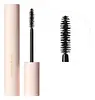
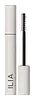
Rare Beauty Perfect Strokes Universal Volumizing Mascara Versus Ilia Limitless Lash Lengthening Clean Mascara

What's inside
What's inside
 Key Ingredients
Benefits
Concerns
Ingredients Side-by-side
Water
Skin ConditioningCopernicia Cerifera Cera
Emollient

Glyceryl Stearate
Emollient
Hydrogenated Olive Oil Stearyl Esters
Emulsion Stabilising
Synthetic Wax
Abrasive

Stearic Acid
Cleansing
Helianthus Annuus Seed Wax
Skin Conditioning
Palmitic Acid
Emollient

Butylene Glycol
Humectant
Polyacrylate-21
Olea Europaea Oil Unsaponifiables
Skin Conditioning
Aminomethyl Propanol
BufferingRicinus Communis Seed Oil
Masking
Synthetic Beeswax
Emulsion Stabilising
Phenoxyethanol
Preservative
Caprylyl Glycol
Emollient
Galactoarabinan

Rhus Succedanea Fruit Wax
Shorea Robusta Resin
TonicHydroxyethylcellulose
Emulsion StabilisingSodium Dehydroacetate
Preservative
Xanthan Gum
EmulsifyingTrideceth-6 Phosphate
EmulsifyingHydroxyacetophenone
Antioxidant
Dipropylene Glycol
HumectantGlyceryl Caprylate
EmollientTocopherol
Antioxidant



CI 77499
Cosmetic ColorantCI 77007
Cosmetic ColorantWater, Copernicia Cerifera Cera, Glyceryl Stearate, Hydrogenated Olive Oil Stearyl Esters, Synthetic Wax, Stearic Acid, Helianthus Annuus Seed Wax, Palmitic Acid, Butylene Glycol, Polyacrylate-21, Olea Europaea Oil Unsaponifiables, Aminomethyl Propanol, Ricinus Communis Seed Oil, Synthetic Beeswax, Phenoxyethanol, Caprylyl Glycol, Galactoarabinan, Rhus Succedanea Fruit Wax, Shorea Robusta Resin, Hydroxyethylcellulose, Sodium Dehydroacetate, Xanthan Gum, Trideceth-6 Phosphate, Hydroxyacetophenone, Dipropylene Glycol, Glyceryl Caprylate, Tocopherol, CI 77499, CI 77007
Water
Skin ConditioningBeeswax
Emulsion Stabilising
Butyrospermum Parkii Butter
Skin Conditioning
Polyglyceryl-6 Distearate
Emulsifying
Dimer Dilinoleyl Dimer Dilinoleate
EmollientGlycerin
Humectant
Copernicia Cerifera Cera
Emollient
Polyglyceryl-10 Myristate
Skin Conditioning
Cetyl Alcohol
Emollient
Glyceryl Caprylate
EmollientLeuconostoc/Radish Root Ferment Filtrate
Antimicrobial
Zea Mays Starch
Absorbent
Xanthan Gum
EmulsifyingArginine
Masking
Phenethyl Alcohol
MaskingBiotin
AntiseborrhoeicUrtica Dioica Extract
Astringent1,2-Hexanediol
Skin Conditioning
Caprylyl Glycol
Emollient
Sodium Benzoate
Masking
Citric Acid
Buffering
Potassium Sorbate
Preservative
Benzoic Acid
Masking
Myristoyl Pentapeptide-17
Skin Conditioning
CI 77499
Cosmetic ColorantWater, Beeswax, Butyrospermum Parkii Butter, Polyglyceryl-6 Distearate, Dimer Dilinoleyl Dimer Dilinoleate, Glycerin, Copernicia Cerifera Cera, Polyglyceryl-10 Myristate, Cetyl Alcohol, Glyceryl Caprylate, Leuconostoc/Radish Root Ferment Filtrate, Zea Mays Starch, Xanthan Gum, Arginine, Phenethyl Alcohol, Biotin, Urtica Dioica Extract, 1,2-Hexanediol, Caprylyl Glycol, Sodium Benzoate, Citric Acid, Potassium Sorbate, Benzoic Acid, Myristoyl Pentapeptide-17, CI 77499
Reviews
Ingredients Explained
These ingredients are found in both products.
Ingredients higher up in an ingredient list are typically present in a larger amount.
Caprylyl Glycol is a humectant, skin conditioner, emollient, and preservative booster derived from either caprylic acid or synthetically created.
Typical use levels vary from 0.3-1% as a preservative booster and go up to 2% to condition skin.
Because it is not a free-fatty acid, this ingredient is fungal acne safe (there's nothing for Malassezia to feed on).
Learn more about Caprylyl GlycolCi 77499 is also hydrated iron III oxide. It is created from mixing red and black iron oxides. This helps give shades of darkness to a product.
Iron III oxides are classified as inorganic chemicals for coloring.
This ingredient comes from a palm tree native to Brazil. This ingredient is used to thicken texture and leaves behind a film when applied.
Glyceryl Caprylate comes from glycerin and caprylic acid. It is an emollient, co-emulsifier, and preservative booster.
Its short C8 fatty acid chain makes it behave differently from its longer-chain emollient cousins like Glyceryl Stearate. It feels more lightweight, fast-absorbing, and silky instead of rich and waxy.
As a co-emulsifier, its "head" and "tail" sit at the oil-water interface. But overall, the short C8 tail and not being water soluble means it doesn't really have the muscle to emulsify a formula on its own. That's why you'll often see it paired with a primary emulsifier like Cetearyl Glucoside.
Interestingly, Glyceryl Caprylate acts as a preservative booster. This is because its fatty-acid backbone disrupts microbial lipid membranes. It shows excellent activity against bacteria and yeast but is weaker against mold.
Typical concentrations range from 0.5-1% and this ingredient is generally non-irritating.
Because this ingredient has a C8 fatty acid chain, it is outside the range that the Malassezia yeast metabolizes (making it fungal acne safe).
Learn more about Glyceryl CaprylateWater. It's the most common cosmetic ingredient of all. You'll usually see it at the top of ingredient lists, meaning that it makes up the largest part of the product.
So why is it so popular? Water most often acts as a solvent - this means that it helps dissolve other ingredients into the formulation.
You'll also recognize water as that liquid we all need to stay alive. If you see this, drink a glass of water. Remember to stay hydrated!
Learn more about WaterXanthan gum is used as a stabilizer and thickener within cosmetic products. It helps give products a sticky, thick feeling - preventing them from being too runny.
On the technical side of things, xanthan gum is a polysaccharide - a combination consisting of multiple sugar molecules bonded together.
Xanthan gum is a pretty common and great ingredient. It is a natural, non-toxic, non-irritating ingredient that is also commonly used in food products.
Learn more about Xanthan Gum

