Ilia Limitless Lash Lengthening Clean Mascara Versus Physician's Formula Organic Wear Natural Origin Mascara

What's inside
What's inside
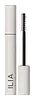 Key Ingredients
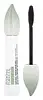
No key ingredients
Benefits
Concerns
Ingredients Side-by-side
Water
Skin ConditioningBeeswax
Emulsion Stabilising




Butyrospermum Parkii Butter
Skin Conditioning

Polyglyceryl-6 Distearate
Emulsifying
Dimer Dilinoleyl Dimer Dilinoleate
EmollientGlycerin
Humectant
Copernicia Cerifera Cera
Emollient
Polyglyceryl-10 Myristate
Skin Conditioning
Cetyl Alcohol
Emollient

Glyceryl Caprylate
EmollientLeuconostoc/Radish Root Ferment Filtrate
Antimicrobial
Zea Mays Starch
Absorbent
Xanthan Gum
EmulsifyingArginine
Masking
Phenethyl Alcohol
MaskingBiotin
AntiseborrhoeicUrtica Dioica Extract
Astringent1,2-Hexanediol
Skin Conditioning
Caprylyl Glycol
Emollient
Sodium Benzoate
Masking
Citric Acid
Buffering

Potassium Sorbate
Preservative
Benzoic Acid
Masking
Myristoyl Pentapeptide-17
Skin Conditioning
CI 77499
Cosmetic ColorantWater, Beeswax, Butyrospermum Parkii Butter, Polyglyceryl-6 Distearate, Dimer Dilinoleyl Dimer Dilinoleate, Glycerin, Copernicia Cerifera Cera, Polyglyceryl-10 Myristate, Cetyl Alcohol, Glyceryl Caprylate, Leuconostoc/Radish Root Ferment Filtrate, Zea Mays Starch, Xanthan Gum, Arginine, Phenethyl Alcohol, Biotin, Urtica Dioica Extract, 1,2-Hexanediol, Caprylyl Glycol, Sodium Benzoate, Citric Acid, Potassium Sorbate, Benzoic Acid, Myristoyl Pentapeptide-17, CI 77499
Citrus Aurantium Dulcis Fruit Water
MaskingGlycerin
Humectant
Microcrystalline Cellulose
AbsorbentGlyceryl Stearate Se
Emulsifying
Cera Alba
Emollient
Jojoba Esters
Emollient
Copernicia Cerifera Cera
Emollient
Oryza Sativa Extract
Absorbent


Tapioca Starch
Stearic Acid
Cleansing
Glyceryl Caprylate
EmollientWater
Skin ConditioningLeuconostoc/Radish Root Ferment Filtrate
Antimicrobial
Leuconostoc Ferment Filtrate
AntimicrobialCellulose Gum
Emulsion StabilisingGlycine Soja Oil
Emollient
Magnesium Aluminum Silicate
Absorbent
Aloe Barbadensis Leaf Extract
Emollient
Cucumis Sativus Fruit Extract
Emollient
Olea Europaea Leaf Extract
Perfuming
CI 77499
Cosmetic ColorantCitrus Aurantium Dulcis Fruit Water, Glycerin, Microcrystalline Cellulose, Glyceryl Stearate Se, Cera Alba, Jojoba Esters, Copernicia Cerifera Cera, Oryza Sativa Extract, Tapioca Starch, Stearic Acid, Glyceryl Caprylate, Water, Leuconostoc/Radish Root Ferment Filtrate, Leuconostoc Ferment Filtrate, Cellulose Gum, Glycine Soja Oil, Magnesium Aluminum Silicate, Aloe Barbadensis Leaf Extract, Cucumis Sativus Fruit Extract, Olea Europaea Leaf Extract, CI 77499
Reviews
Ingredients Explained
These ingredients are found in both products.
Ingredients higher up in an ingredient list are typically present in a larger amount.
Ci 77499 is also hydrated iron III oxide. It is created from mixing red and black iron oxides. This helps give shades of darkness to a product.
Iron III oxides are classified as inorganic chemicals for coloring.
This ingredient comes from a palm tree native to Brazil. This ingredient is used to thicken texture and leaves behind a film when applied.
Glycerin (or glycerol) is a compound naturally found in your skin. It's a powerhouse humectant that pulls water into the stratum corneum.
Topically, glycerin does several things at once:
Your skin makes glycerin on its own (mostly from sebaceous oil breakdown) and shuttles it to your outermost layer of skin, or your epidermis, via aquaporin-3.
Aquaporin-3 is a transporter that is essential for normal skin hydration, elasticity, and repair. Interestingly, mice lacking in AQP3 have dry and less elastic skin that can be fully corrected with glycerin.
This ingredient is non-irritating, plays well with almost every ingredient, and works across all skin types. Typical use is anywhere between 3-10% but can go up to 79% in some leave-on products.
Just know very high concentrations (>40%) can feel tacky in low humidity.
Glycerin is the name for this ingredient in American English. British English uses Glycerol/Glycerine.
Learn more about GlycerinGlyceryl Caprylate comes from glycerin and caprylic acid. It is an emollient, co-emulsifier, and preservative booster.
Its short C8 fatty acid chain makes it behave differently from its longer-chain emollient cousins like Glyceryl Stearate. It feels more lightweight, fast-absorbing, and silky instead of rich and waxy.
As a co-emulsifier, its "head" and "tail" sit at the oil-water interface. But overall, the short C8 tail and not being water soluble means it doesn't really have the muscle to emulsify a formula on its own. That's why you'll often see it paired with a primary emulsifier like Cetearyl Glucoside.
Interestingly, Glyceryl Caprylate acts as a preservative booster. This is because its fatty-acid backbone disrupts microbial lipid membranes. It shows excellent activity against bacteria and yeast but is weaker against mold.
Typical concentrations range from 0.5-1% and this ingredient is generally non-irritating.
Because this ingredient has a C8 fatty acid chain, it is outside the range that the Malassezia yeast metabolizes (making it fungal acne safe).
Learn more about Glyceryl CaprylateLeuconostoc/Radish Root Ferment Filtrate is a natural preservative. It comes from fermenting radish roots with a bacteria called leuconostoc. The trade name for this ingredient is Leucidal.
Leuconostoc comes from lactic acid.
This ingredient has antimicrobial properties and helps prevent the growth of bacteria in a product.
Leuconostoc is used to make the traditional Korean side-dish, kimchi. It is also used to make sourdough bread (both incredibly yummy foods).
Learn more about Leuconostoc/Radish Root Ferment FiltrateWater. It's the most common cosmetic ingredient of all. You'll usually see it at the top of ingredient lists, meaning that it makes up the largest part of the product.
So why is it so popular? Water most often acts as a solvent - this means that it helps dissolve other ingredients into the formulation.
You'll also recognize water as that liquid we all need to stay alive. If you see this, drink a glass of water. Remember to stay hydrated!
Learn more about Water