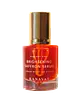
This oil is formulated around Oryza Sativa Bran Oil to hydrate and reduce redness.
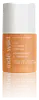
This brightening serum is formulated around 3-O-Ethyl Ascorbic Acid and Niacinamide to brighten dull-looking skin and fade the look of dark spots.

What's inside
What's inside
 Key Ingredients
Benefits
Concerns
Ingredients Side-by-side
Sesamum Indicum Seed Oil
Emollient




Oryza Sativa Bran Oil
Emollient


Caprylic/Capric Triglyceride
Masking

Rubia Cordifolia Root Powder
Skin ConditioningCrocus Sativus Flower Extract
MaskingSymplocos Racemosa Bark Extract
HumectantCyperus Rotundus Root Powder
Skin ConditioningVetiveria Zizanoides Root Oil
Masking


Dipotassium Glycyrrhizate
Humectant
Cinnamomum Tamala Leaf Oil
Masking
Prunus Cerasoides Extract
Nelumbo Nucifera Flower Extract
Skin ConditioningInula Racemosa Root Extract
Skin ConditioningCurcuma Longa Root Extract
Antioxidant
Berberis Aristata Root Powder
Skin ConditioningMesua Ferrea Flower Extract
Skin ConditioningButea Monosperma Flower Extract
Callicarpa Macrophylla Fruit Extract
Skin ConditioningFicus Benghalensis Bark/Bud Extract
Preservative
Brassica Campestris Sterols
EmollientTocopherol
Antioxidant



Pelargonium Graveolens Oil
Masking
Sesamum Indicum Seed Oil, Oryza Sativa Bran Oil, Caprylic/Capric Triglyceride, Rubia Cordifolia Root Powder, Crocus Sativus Flower Extract, Symplocos Racemosa Bark Extract, Cyperus Rotundus Root Powder, Vetiveria Zizanoides Root Oil, Dipotassium Glycyrrhizate, Cinnamomum Tamala Leaf Oil, Prunus Cerasoides Extract, Nelumbo Nucifera Flower Extract, Inula Racemosa Root Extract, Curcuma Longa Root Extract, Berberis Aristata Root Powder, Mesua Ferrea Flower Extract, Butea Monosperma Flower Extract, Callicarpa Macrophylla Fruit Extract, Ficus Benghalensis Bark/Bud Extract, Brassica Campestris Sterols, Tocopherol, Pelargonium Graveolens Oil
Water
Skin Conditioning3-O-Ethyl Ascorbic Acid
Skin Conditioning



Propanediol
Solvent
Niacinamide
Smoothing


Glycerin
Humectant
Polyglyceryl-6 Caprylate
EmulsifyingPolyglyceryl-10 Laurate
Skin Conditioning
Polyglyceryl-4 Caprate
EmulsifyingTocopheryl Acetate
Antioxidant
Hydroxyacetophenone
Antioxidant
Bisabolol
Antioxidant
Ferulic Acid
Antimicrobial
Polyglyceryl-10 Myristate
Skin Conditioning
Xanthan Gum
EmulsifyingCaprylyl Glycol
Emollient
Withania Somnifera Root Extract
Skin Conditioning
Curcuma Longa Root Extract
Antioxidant
Sclerotium Gum
Emulsion StabilisingLecithin
Emollient
Pullulan
Sorbitol
Humectant
1,2-Hexanediol
Skin Conditioning
Silica
Abrasive
Phenoxyethanol
Preservative
Biosaccharide Gum-4
Skin Conditioning
Pentylene Glycol
Skin Conditioning
Sodium Hyaluronate
Humectant
Scenedesmus Rubescens Extract
Skin ConditioningAscorbic Acid
Antioxidant
CI 77480
Cosmetic ColorantCitric Acid
Buffering
Glutathione
Water, 3-O-Ethyl Ascorbic Acid, Propanediol, Niacinamide, Glycerin, Polyglyceryl-6 Caprylate, Polyglyceryl-10 Laurate, Polyglyceryl-4 Caprate, Tocopheryl Acetate, Hydroxyacetophenone, Bisabolol, Ferulic Acid, Polyglyceryl-10 Myristate, Xanthan Gum, Caprylyl Glycol, Withania Somnifera Root Extract, Curcuma Longa Root Extract, Sclerotium Gum, Lecithin, Pullulan, Sorbitol, 1,2-Hexanediol, Silica, Phenoxyethanol, Biosaccharide Gum-4, Pentylene Glycol, Sodium Hyaluronate, Scenedesmus Rubescens Extract, Ascorbic Acid, CI 77480, Citric Acid, Glutathione
Reviews
Ingredients Explained
These ingredients are found in both products.
Ingredients higher up in an ingredient list are typically present in a larger amount.
Curcuma Longa Root Extract comes from the rhizome (underground stem) of the turmeric plant.
While the official EU Cosing Database lists this ingredient as a fragrance, it actually does more than give products a scent.
This ingredient contains a group of yellow pigments called curcuminoids (mostly curcumin) that give it genuine antioxidant and anti-inflammatory activity in skin.
Reviews of topical clinical studies have found turmeric/curcumin to be generally well-tolerated and useful across conditions like eczema and mild inflammation.
One thing working in its favor is that curcumin barely penetrates; in lab skin-permeation testing, the curcuminoids mostly stayed in the outermost layer of skin. This is a good thing because its soothing and antioxidant activity is a surface-level job anyway.
At this time, industry data shows there's no single "correct" cosmetic percentage. It's used across a wide range depending on the product and varies from tiny fractions of a percent up to a few percent.
Allergy-wise, curcumin is a documented (but uncommon) contact allergen. It can also cross react with related plants, so anyone with a turmeric/ginger/cinnamon allergy or reactive skin should patch test first.
Learn more about Curcuma Longa Root Extract

