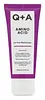
This oil-control moisturizer is formulated around Aloe Barbadensis Leaf Juice and Niacinamide to balance excess oil and hydrate skin.
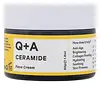
This barrier-repair moisturizer is formulated around Ceramide NP and Squalane to strengthen the skin barrier and hydrate skin.

What's inside
What's inside
 Key Ingredients
Benefits
Concerns
No concerns
Ingredients Side-by-side
Aloe Barbadensis Leaf Juice
Skin Conditioning


Water
Skin ConditioningDicaprylyl Carbonate
EmollientPropanediol
Solvent
Glycerin
Humectant
Niacinamide
Smoothing







Saccharide Isomerate
Humectant
Arginine
Masking
Camellia Sinensis Leaf Water
Masking
Allantoin
Skin Conditioning
Betaine
Humectant
Lonicera Caprifolium Flower Extract
Perfuming
Lonicera Japonica Flower Extract
Skin ConditioningCaprylyl Glycol
Emollient
Acrylates/C10-30 Alkyl Acrylate Crosspolymer
Emulsion StabilisingSodium Gluconate
ChelatingPhenethyl Alcohol
MaskingSodium Hydroxide
BufferingAloe Barbadensis Leaf Juice, Water, Dicaprylyl Carbonate, Propanediol, Glycerin, Niacinamide, Saccharide Isomerate, Arginine, Camellia Sinensis Leaf Water, Allantoin, Betaine, Lonicera Caprifolium Flower Extract, Lonicera Japonica Flower Extract, Caprylyl Glycol, Acrylates/C10-30 Alkyl Acrylate Crosspolymer, Sodium Gluconate, Phenethyl Alcohol, Sodium Hydroxide
Water
Skin ConditioningGlycerin
Humectant
Cetearyl Alcohol
Emollient





Glyceryl Stearate
Emollient
Caprylic/Capric Triglyceride
Masking
Helianthus Annuus Seed Oil
Emollient
Vitis Vinifera Seed Oil
Emollient
Ananas Sativus Fruit Extract
Skin ConditioningCeramide NP
Skin Conditioning
Squalane
Emollient
Carbomer
Emulsion StabilisingSimmondsia Chinensis Seed Oil
Emollient
Olive Glycerides
Emulsifying
Sodium Stearoyl Glutamate
CleansingCoco-Glucoside
Cleansing
Benzyl Alcohol
Perfuming




Coconut Alcohol
Emollient
Sodium Gluconate
ChelatingCyclodextrin
AbsorbentDehydroacetic Acid
Preservative
Sodium Hydroxide
BufferingWater, Glycerin, Cetearyl Alcohol, Glyceryl Stearate, Caprylic/Capric Triglyceride, Helianthus Annuus Seed Oil, Vitis Vinifera Seed Oil, Ananas Sativus Fruit Extract, Ceramide NP, Squalane, Carbomer, Simmondsia Chinensis Seed Oil, Olive Glycerides, Sodium Stearoyl Glutamate, Coco-Glucoside, Benzyl Alcohol, Coconut Alcohol, Sodium Gluconate, Cyclodextrin, Dehydroacetic Acid, Sodium Hydroxide
Reviews
Ingredients Explained
These ingredients are found in both products.
Ingredients higher up in an ingredient list are typically present in a larger amount.
Glycerin (or glycerol) is a compound naturally found in your skin. It's a powerhouse humectant that pulls water into the stratum corneum.
Topically, glycerin does several things at once:
Your skin makes glycerin on its own (mostly from sebaceous oil breakdown) and shuttles it to your outermost layer of skin, or your epidermis, via aquaporin-3.
Aquaporin-3 is a transporter that is essential for normal skin hydration, elasticity, and repair. Interestingly, mice lacking in AQP3 have dry and less elastic skin that can be fully corrected with glycerin.
This ingredient is non-irritating, plays well with almost every ingredient, and works across all skin types. Typical use is anywhere between 3-10% but can go up to 79% in some leave-on products.
Just know very high concentrations (>40%) can feel tacky in low humidity.
Glycerin is the name for this ingredient in American English. British English uses Glycerol/Glycerine.
Learn more about GlycerinSodium Gluconate is the sodium salt of gluconic acid. In skincare, its main job is as a chelator.
Chelators grab onto stray metal ions like iron and copper that sneak in through water, raw materials, or manufacturing equipment. This stops them from triggering reactions that cause oils to go rancid, formulas to change color, and actives like vitamin C to fall apart.
This ingredient is often chosen as a biodegradable, gentler-sounding alternative to EDTA. It also pulls double duty as a mild humectant and pH buffer.
Typical use levels sit around 0.1-1% and supplier documents list up to 10% as an acceptable ceiling. Industry data found this ingredient family is mostly used well below 1% in leave on products.
Allergy risk is very low; animal testing has found it to be non-irritating to skin and eyes, mutagenicity assays came back negative, and there are no published reports of allergic contact dermatitis to it.
Learn more about Sodium GluconateSodium Hydroxide is also known as lye or caustic soda. It is used to adjust the pH of products; many ingredients require a specific pH to be effective.
In small amounts, sodium hydroxide is considered safe to use. However, large amounts may cause chemical burns due to its high alkaline.
Your skin has a natural pH and acid mantle. This acid mantle helps prevent harmful bacteria from breaking through. The acid mantle also helps keep your skin hydrated.
"Alkaline" refers to a high pH level. A low pH level would be considered acidic.
Learn more about Sodium HydroxideWater. It's the most common cosmetic ingredient of all. You'll usually see it at the top of ingredient lists, meaning that it makes up the largest part of the product.
So why is it so popular? Water most often acts as a solvent - this means that it helps dissolve other ingredients into the formulation.
You'll also recognize water as that liquid we all need to stay alive. If you see this, drink a glass of water. Remember to stay hydrated!
Learn more about Water

