
What's inside
What's inside
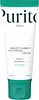 Key Ingredients

Benefits
Ingredients Side-by-side
Water
Skin ConditioningPanthenol 10%
Skin Conditioning




Squalane
Emollient
Butylene Glycol
Humectant
1,2-Hexanediol
Skin Conditioning
Niacinamide
Smoothing






Bambusa Vulgaris Extract
Skin Conditioning
Hydrolyzed Jojoba Esters
Skin Conditioning
Acrylates/C10-30 Alkyl Acrylate Crosspolymer
Emulsion StabilisingAmmonium Acryloyldimethyltaurate/Vp Copolymer
Hydroxyacetophenone
Antioxidant
Tromethamine
BufferingDipotassium Glycyrrhizate
Humectant
Ethylhexylglycerin
Skin ConditioningXanthan Gum
EmulsifyingDisodium EDTA
Sodium Hyaluronate
Humectant
Madecassoside
Antioxidant
Asiaticoside
Antioxidant
Asiatic Acid
Skin ConditioningMadecassic Acid
Skin Conditioning
Copper Tripeptide-1
Skin Conditioning

Water, Panthenol 10%, Squalane, Butylene Glycol, 1,2-Hexanediol, Niacinamide, Bambusa Vulgaris Extract, Hydrolyzed Jojoba Esters, Acrylates/C10-30 Alkyl Acrylate Crosspolymer, Ammonium Acryloyldimethyltaurate/Vp Copolymer, Hydroxyacetophenone, Tromethamine, Dipotassium Glycyrrhizate, Ethylhexylglycerin, Xanthan Gum, Disodium EDTA, Sodium Hyaluronate, Madecassoside, Asiaticoside, Asiatic Acid, Madecassic Acid, Copper Tripeptide-1
Pinus Densiflora Leaf Extract
Antimicrobial
Butylene Glycol
Humectant
Dipropylene Glycol
HumectantGlycereth-26
Humectant
Glycerin
Humectant
1,2-Hexanediol
Skin Conditioning
Centella Asiatica Extract
Cleansing
Propanediol
Solvent
Hyaluronic Acid
Humectant
Hydrolyzed Hyaluronic Acid
Humectant
Sodium Hyaluronate
Humectant
Ethylhexylglycerin
Skin ConditioningWater
Skin ConditioningGlycoproteins
Skin Conditioning
Melia Azadirachta Leaf Extract
Skin ConditioningCoptis Japonica Root Extract
Skin ConditioningMelia Azadirachta Flower Extract
Skin ConditioningHydroxyacetophenone
Antioxidant
Asiaticoside
Antioxidant
Asiatic Acid
Skin ConditioningMadecassoside
Antioxidant
Madecassic Acid
Skin Conditioning
Sodium Citrate
BufferingCapryloyl Salicylic Acid
Exfoliating
Disodium EDTA
Xanthan Gum
EmulsifyingCarbomer
Emulsion StabilisingTromethamine
BufferingCitric Acid
Buffering

Pinus Densiflora Leaf Extract, Butylene Glycol, Dipropylene Glycol, Glycereth-26, Glycerin, 1,2-Hexanediol, Centella Asiatica Extract, Propanediol, Hyaluronic Acid, Hydrolyzed Hyaluronic Acid, Sodium Hyaluronate, Ethylhexylglycerin, Water, Glycoproteins, Melia Azadirachta Leaf Extract, Coptis Japonica Root Extract, Melia Azadirachta Flower Extract, Hydroxyacetophenone, Asiaticoside, Asiatic Acid, Madecassoside, Madecassic Acid, Sodium Citrate, Capryloyl Salicylic Acid, Disodium EDTA, Xanthan Gum, Carbomer, Tromethamine, Citric Acid
Reviews
Ingredients Explained
These ingredients are found in both products.
Ingredients higher up in an ingredient list are typically present in a larger amount.
1,2-Hexanediol is a synthetic liquid and another multi-functional powerhouse.
It is a:
- Humectant, drawing moisture into the skin
- Emollient, helping to soften skin
- Solvent, dispersing and stabilizing formulas
- Preservative booster, enhancing the antimicrobial activity of other preservatives
Asiatic Acid is a major component of Centella Asiatica Extract. It has wound-healing, anti-inflammatory, and antioxidant properties.
Studies show Asiatic Acid is able to block the pathway for skin inflammation receptors, helping to soothe skin.
As an antioxidant, asiatic acid helps protect our skin against damaging environmental factors.
Learn more about Asiatic AcidAsiaticoside comes from the super popular skin-soothing ingredient, Centella asiatica. It is one of four active compounds found in the extract of Centella Asiatica.
Asiaticoside is an antioxidant and helps with wound healing. It has been shown to increase antioxidant activity during the wound healing process.
Butylene Glycol (or BG) is used within cosmetic products for a few different reasons:
Overall, Butylene Glycol is a safe and well-rounded ingredient that works well with other ingredients.
Though this ingredient works well with most skin types, some people with sensitive skin may experience a reaction such as allergic rashes, closed comedones, or itchiness.
Learn more about Butylene GlycolDisodium EDTA plays a role in making products more stable by aiding other preservatives.
It is a chelating agent, meaning it neutralizes metal ions that may be found in a product.
Disodium EDTA is a salt of edetic acid and is found to be safe in cosmetic ingredients.
Learn more about Disodium EDTAEthylhexylglycerin (we can't pronounce this either) is commonly used as a preservative and skin softener. It is derived from glyceryl.
You might see Ethylhexylglycerin often paired with other preservatives such as phenoxyethanol. Ethylhexylglycerin has been found to increase the effectiveness of these other preservatives.
Hydroxyacetophenone is antioxidant with skin conditioning and soothing properties. It also boosts the efficiency of preservatives.
This ingredient is not irritating or sensitizing.
Madecassic Acid is a major component of Centella Asiatica Extract. It has anti-inflammatory and antioxidant properties.
It is a triterpenoid, meaning it naturally acts as an antioxidant. Antioxidants protect your skin against damage from environmental factors such as pollution and UV.
Studies show Madecassic Acid helps soothe the skin due to its ability to block inflammation pathways.
Learn more about Madecassic AcidMadecassoside comes from the super popular skin-soothing ingredient, Centella asiatica. It is one of four active compounds found in the extract of Centella Asiatica.
Madecassoside has antioxidant, anti-inflammatory, and hydrating properties. It contains fatty acids, amino acids, beta-carotene, and phytochemicals.
One study found using Madecassoside with ascorbic acid helped reduce the signs of aging and improved skin hydration.
Learn more about MadecassosideSodium Hyaluronate is hyaluronic acid's salt form. It is commonly derived from the sodium salt of hyaluronic acid.
Like hyaluronic acid, it is great at holding water and acts as a humectant. This makes it a great skin hydrating ingredient.
Sodium Hyaluronate is naturally occurring in our bodies and is mostly found in eye fluid and joints.
These are some other common types of Hyaluronic Acid:
Learn more about Sodium HyaluronateTromethamine helps balance the pH and improve the texture of a product. It is synthetically created.
As an emulsifier, Tromethamine prevents oil and water ingredients from separating. This helps stabilize the product and elongate a product's shelf life. Tromethamine also makes a product thicker.
Tromethamine helps balance the pH level of a product. Normal pH level of skin is slightly acidic (~4.75-5.5). The acidity of our skin is maintained by our glands and skin biome. Being slightly acidic allows our skin to create an "acid mantle". This acid mantle is a thin barrier that protects our skin from bacteria and contaminants.
Oral Tromethanmine is an anti-inflammatory drug but plays the role of masking, adding fragrance, and/or balancing pH in skincare.
1,3-Propanediol, 2-amino-2-(hydroxymethyl)-
Learn more about TromethamineWater. It's the most common cosmetic ingredient of all. You'll usually see it at the top of ingredient lists, meaning that it makes up the largest part of the product.
So why is it so popular? Water most often acts as a solvent - this means that it helps dissolve other ingredients into the formulation.
You'll also recognize water as that liquid we all need to stay alive. If you see this, drink a glass of water. Stay hydrated!
Learn more about WaterXanthan gum is used as a stabilizer and thickener within cosmetic products. It helps give products a sticky, thick feeling - preventing them from being too runny.
On the technical side of things, xanthan gum is a polysaccharide - a combination consisting of multiple sugar molecules bonded together.
Xanthan gum is a pretty common and great ingredient. It is a natural, non-toxic, non-irritating ingredient that is also commonly used in food products.
Learn more about Xanthan Gum
