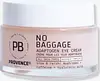
This anti-aging eye moisturizer is formulated around Tremella Fuciformis Extract and Caffeine to soften the look of wrinkles and hydrate skin.
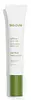
This calming eye moisturizer is formulated around Lactobacillus Ferment Lysate and Camellia Sinensis Leaf Extract to calm redness and brighten dull-looking skin.


What's inside
What's inside
 Key Ingredients
Benefits
Concerns
Ingredients Side-by-side
Water
Skin ConditioningPropanediol
Solvent

Sodium Acrylates Copolymer
Tremella Fuciformis Extract
Humectant
Ganoderma Lucidum Extract
Skin Protecting
Caffeine
Skin Conditioning

Hyaluronic Acid
Humectant

Inonotus Obliquus Extract
Skin ConditioningAuricularia Auricula-Judae Extract
Skin ConditioningGrifola Frondosa Extract
Skin ConditioningNiacinamide
Smoothing






Morus Alba Extract
AstringentHelichrysum Stoechas Flower Extract
Perfuming
Pinus Pinaster Bark Extract
Antioxidant
Prunus Armeniaca Fruit Extract
Skin ConditioningTerminalia Ferdinandiana Fruit Extract
Antioxidant
Tocopherol
Antioxidant
Simmondsia Chinensis Seed Oil
Emollient


Melia Azadirachta Leaf Extract
Skin ConditioningFlower Extract
Chondrus Crispus Extract
Skin Conditioning

Betaine
Humectant
Coccinia Indica Fruit Extract
Skin Conditioning
Glycerin
Humectant
Pullulan
Lecithin
Emollient
Caprylic/Capric Triglyceride
Masking
Caprylhydroxamic Acid
Chelating1,2-Hexanediol
Skin Conditioning
Sodium Benzotriazolyl Butylphenol Sulfonate
UV AbsorberWater, Propanediol, Sodium Acrylates Copolymer, Tremella Fuciformis Extract, Ganoderma Lucidum Extract, Caffeine, Hyaluronic Acid, Inonotus Obliquus Extract, Auricularia Auricula-Judae Extract, Grifola Frondosa Extract, Niacinamide, Morus Alba Extract, Helichrysum Stoechas Flower Extract, Pinus Pinaster Bark Extract, Prunus Armeniaca Fruit Extract, Terminalia Ferdinandiana Fruit Extract, Tocopherol, Simmondsia Chinensis Seed Oil, Melia Azadirachta Leaf Extract, Flower Extract, Chondrus Crispus Extract, Betaine, Coccinia Indica Fruit Extract, Glycerin, Pullulan, Lecithin, Caprylic/Capric Triglyceride, Caprylhydroxamic Acid, 1,2-Hexanediol, Sodium Benzotriazolyl Butylphenol Sulfonate
Water
Skin ConditioningLactobacillus Ferment Lysate
Skin Conditioning
Camellia Sinensis Leaf Extract
Antimicrobial
Punica Granatum Extract
AstringentCaffeine
Skin Conditioning
Rosa Damascena Flower Water
Masking
Cetearyl Olivate
Sorbitan Olivate
Emulsifying
Aloe Barbadensis Leaf Juice
Skin Conditioning
Terminalia Ferdinandiana Fruit Extract
Antioxidant
Silanetriol
Hyaluronic Acid
Humectant
Mauritia Flexuosa Fruit Oil
Skin Conditioning
Saccharide Isomerate
Humectant
Cucumis Sativus Extract
Skin Conditioning
Squalane
Emollient
Panax Ginseng Root Extract
Emollient
Allantoin
Skin Conditioning
Tocopherol
Antioxidant
Sodium Levulinate
Skin ConditioningPotassium Sorbate
Preservative
Water, Lactobacillus Ferment Lysate, Camellia Sinensis Leaf Extract, Punica Granatum Extract, Caffeine, Rosa Damascena Flower Water, Cetearyl Olivate, Sorbitan Olivate, Aloe Barbadensis Leaf Juice, Terminalia Ferdinandiana Fruit Extract, Silanetriol, Hyaluronic Acid, Mauritia Flexuosa Fruit Oil, Saccharide Isomerate, Cucumis Sativus Extract, Squalane, Panax Ginseng Root Extract, Allantoin, Tocopherol, Sodium Levulinate, Potassium Sorbate
Reviews
Ingredients Explained
These ingredients are found in both products.
Ingredients higher up in an ingredient list are typically present in a larger amount.
Caffeine is a naturally occurring plant compound found in coffee beans, tea leaves, cocoa pods, and guarana.
As an antioxidant, caffeine protects your skin from free radical damage caused by UV exposure and envionrmnetal stressors.
Early research also shows that caffeine can help calm redness, soothe irritated skin, and support hair growth by stimulating microcirculation in the scalp.
You might have seen eye creams marketing caffeine as a depuffing ingredient. This is because it is a vasoconstrictor meaning it can temporarily constrict blood vessels, though clinical evidence for this specific use is still limited.
Most skincare products contain this ingredient at concentrations between 1-6%. It is able to penetrate skin easily regardless of skin type or thickness.
Just so you know, a very small number of case reports describe caffeine-induced allergy. This ingredient is generally well-tolerated, non-irritating, and non-sensitizing for the majority of people.
Learn more about CaffeineHyaluronic acid (HA) is a glycosaminoglycan (basically a long sugar chain) that your skin already makes on its own. In your skin, HA lives in the extracellular matrix and acts as the body's moisture reservoir.
Topically, HA is a humectant that binds water and helps skin look more plump, smooth, and hydrated.
The only catch is that HA isn't a single thing; it actually comes in a wide range of molecular weights (~50 - 2,000+ kDA) and size matters.
Some clinical evidence links low molecular weight versions to improved wrinkle depth, elasticity, anti-inflammatory effects, and barrier repair.
This is why the best HA serums blend the two sizes together so you get the best of both worlds.
The majority of cosmetic HA is produced by bacterial fermentation, typically using Streptococcus or Bacillus strains. Typical use levels in skincare sit around 0.1-2%.
A clinical study using a 0.2% low-molecular weight HA gel showed improvement in facial seborrheic dermatitis with excellent tolerance.
These are some other common types of Hyaluronic Acid:
Learn more about Hyaluronic AcidTerminalia Ferdinandiana Fruit Extract is from the Kakadu plum. The Kakadu plum is native to northern Australia. The Kakadu plum holds the record for having the highest amount of natural vitamin C.
This ingredient is an antioxidant. Antioxidants help fight free-radical molecules. Free-radical molecules are capable of damaging our cells and other genetic material. Antioxidants help stabilize free-radicals and thus may reduce the signs of aging.
The high vitamin C content of Kakadu plum also helps lighten skin. Vitamin C has been shown to block the process of skin darkening that leads to hyperpigmentation.
Kakadu plums have been used by indigenous cultures as medicine to help treat colds and as an antiseptic.
Learn more about Terminalia Ferdinandiana Fruit ExtractTocopherol is a fat-soluble antioxidant known as Vitamin E.
You'll find this ingredient in the vast majority of skincare (for good reason). It works to neutralize free radicals, or unstable molecules generated by UV exposure, pollution, and other environmental stressors, before they can cause oxidative damage to your skin cells.
Topically applied tocopherol has been shown to protect against UV damage by ramping up the skin's own natural defense enzymes.
It also acts as a skin conditioning agent; some studies show that regular topical use can improve the skin's water-binding capacity over 2-4 weeks.
This ingredient is especially loved for being a team player. When combined with Vitamin C, the photoprotective effect of both ingredients roughly doubles and the combo also helps reduce UV-induced DNA damage.
This ingredient has some brightening potential but it's more of a prevention ingredient than spot-fader. Cell studies show it can slow down melanin production but it's worth noting that it's not the most powerful brightener out there.
In formulations, it also serves as a stabilizer that helps protect other oxidation-prone ingredients from degrading.
Concentrations usually range from 0.1-1% in most leave-on products.
Learn more about TocopherolWater. It's the most common cosmetic ingredient of all. You'll usually see it at the top of ingredient lists, meaning that it makes up the largest part of the product.
So why is it so popular? Water most often acts as a solvent - this means that it helps dissolve other ingredients into the formulation.
You'll also recognize water as that liquid we all need to stay alive. If you see this, drink a glass of water. Remember to stay hydrated!
Learn more about Water

