Proactiv Deep Cleansing Face Wash Versus Neutrogena Oil-Free Acne Face Wash Daily Scrub With Salicylic Acid
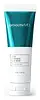
This mild cream cleanser is mild enough to cleanse without leaving skin feeling tight or stripped.
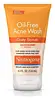
This acne exfoliator is formulated around Salicylic Acid and Glycolic Acid to clear breakouts and refine skin texture.

What's inside
What's inside
 Key Ingredients
Benefits
Concerns
Ingredients Side-by-side
Water
Skin ConditioningCocamidopropyl Betaine
Cleansing



Distearyl Phthalic Acid Amide
EmollientSynthetic Wax
Abrasive

Stearyl Alcohol
Emollient

Cetyl Alcohol
Emollient
Jojoba Esters
Emollient
Sodium Chloride
MaskingSodium Methyl Cocoyl Taurate
Cleansing
Citric Acid
Buffering

Aloe Barbadensis Leaf Juice
Skin Conditioning


Camellia Sinensis Leaf Extract
Antimicrobial



Coconut Acid
Cleansing
Menthol
Masking

PEG-120 Methyl Glucose Dioleate
Emulsifying
Caprylyl Glycol
Emollient
Hexylene Glycol
EmulsifyingEthylhexylglycerin
Skin ConditioningAscorbic Acid
Antioxidant



Butylene Glycol
Humectant
Disodium EDTA
Isopropyl Alcohol
Solvent
Sodium Hydroxide
BufferingPhenoxyethanol
Preservative
Sodium Benzoate
Masking
Sodium Sulfite
Preservative
Potassium Sorbate
Preservative
Parfum
Masking

Chromium Hydroxide Green
Water, Cocamidopropyl Betaine, Distearyl Phthalic Acid Amide, Synthetic Wax, Stearyl Alcohol, Cetyl Alcohol, Jojoba Esters, Sodium Chloride, Sodium Methyl Cocoyl Taurate, Citric Acid, Aloe Barbadensis Leaf Juice, Camellia Sinensis Leaf Extract, Coconut Acid, Menthol, PEG-120 Methyl Glucose Dioleate, Caprylyl Glycol, Hexylene Glycol, Ethylhexylglycerin, Ascorbic Acid, Butylene Glycol, Disodium EDTA, Isopropyl Alcohol, Sodium Hydroxide, Phenoxyethanol, Sodium Benzoate, Sodium Sulfite, Potassium Sorbate, Parfum, Chromium Hydroxide Green
Salicylic Acid 2%
Masking

Water
Skin ConditioningCetyl Alcohol
Emollient
PPG-15 Stearyl Ether
EmollientPolyethylene
Abrasive
Glycolic Acid
Buffering
Glycerin
Humectant
Polysorbate 60
Emulsifying
Steareth-21
CleansingC12-15 Alkyl Lactate
EmollientCetyl Lactate
EmollientBHT
Antioxidant
Neopentyl Glycol Dicaprylate/Dicaprate
EmollientCocamidopropyl Pg-Dimonium Chloride Phosphate
Potassium Cetyl Phosphate
EmulsifyingDisodium EDTA
Xanthan Gum
EmulsifyingSodium Benzotriazolyl Butylphenol Sulfonate
UV AbsorberSodium Hydroxide
BufferingAgar
MaskingMenthol
Masking
Benzalkonium Chloride
Antimicrobial
CI 77492
Cosmetic ColorantMica
Cosmetic ColorantCI 16035
Cosmetic ColorantCI 15850
Cosmetic ColorantCI 19140
Cosmetic ColorantTitanium Dioxide
Cosmetic Colorant

Parfum
Masking
Salicylic Acid 2%, Water, Cetyl Alcohol, PPG-15 Stearyl Ether, Polyethylene, Glycolic Acid, Glycerin, Polysorbate 60, Steareth-21, C12-15 Alkyl Lactate, Cetyl Lactate, BHT, Neopentyl Glycol Dicaprylate/Dicaprate, Cocamidopropyl Pg-Dimonium Chloride Phosphate, Potassium Cetyl Phosphate, Disodium EDTA, Xanthan Gum, Sodium Benzotriazolyl Butylphenol Sulfonate, Sodium Hydroxide, Agar, Menthol, Benzalkonium Chloride, CI 77492, Mica, CI 16035, CI 15850, CI 19140, Titanium Dioxide, Parfum
Reviews
Ingredients Explained
These ingredients are found in both products.
Ingredients higher up in an ingredient list are typically present in a larger amount.
Cetyl Alcohol is a fatty alcohol. Fatty Alcohols are most often used as an emollient or to thicken a product.
Its main roles are:
Though it has "alcohol" in the name, it is not related to denatured alcohol or ethyl alcohol.
The FDA allows products labeled "alcohol-free" to have fatty alcohols.
This ingredient may not be fungal acne safe. It is a primary fatty alcohol with a chain length above 12 carbons. A study from 2019 show Malassezia can feed on fatty alcohols in this range, so it may trigger fungal acne in those prone to it.
Learn more about Cetyl AlcoholDisodium EDTA is a chelating agent. It grabs onto and deactivates metal ions that sneak into your products from water, packaging, or air.
This ingredient mainly works behind the scenes and helps with:
On top of that, this ingredient can counteract the effects of hard water by binding to the minerals in it.
One thing worth knowing is that Disodium EDTA has been shown to be a mild penetration enhancer. It can help other ingredients absorb into skin more effectively which can be a double-edged sword (great for actives, but can also make the active too strong if you have sensitive skin).
Clinical patch testing showed no significant skin irritation at typical use concentrations and minimal dermal absorption.
You'll most likely see this ingredient near the end of an ingredient list. It's typically found in concentrations less than 1%.
Learn more about Disodium EDTAMenthol is a compound found in mint plants, such as peppermint. In its pure form, it is a clear crystalline substance.
Menthol is known for its cooling sensation; however, the cooling is actually from your skin being sensitized. Menthol can worsen rosacea. We recommend speaking with a professional if you have concerns.
Menthol also has antimicrobial properties.
Learn more about MentholParfum is a catch-all term for an ingredient or more that is used to give a scent to products.
Also called "fragrance", this ingredient can be a blend of hundreds of chemicals or plant oils. This means every product with "fragrance" or "parfum" in the ingredients list is a different mixture.
For instance, Habanolide is a proprietary trade name for a specific aroma chemical. When used as a fragrance ingredient in cosmetics, most aroma chemicals fall under the broad labeling category of “FRAGRANCE” or “PARFUM” according to EU and US regulations.
The term 'parfum' or 'fragrance' is not regulated in many countries. In many cases, it is up to the brand to define this term.
For instance, many brands choose to label themselves as "fragrance-free" because they are not using synthetic fragrances. However, their products may still contain ingredients such as essential oils that are considered a fragrance by INCI standards.
One example is Calendula flower extract. Calendula is an essential oil that still imparts a scent or 'fragrance'.
Depending on the blend, the ingredients in the mixture can cause allergies and sensitivities on the skin. Some ingredients that are known EU allergens include linalool and citronellol.
Parfum can also be used to mask or cover an unpleasant scent.
The bottom line is: not all fragrances/parfum/ingredients are created equally. If you are worried about fragrances, we recommend taking a closer look at an ingredient. And of course, we always recommend speaking with a professional.
Learn more about ParfumSodium Hydroxide is also known as lye or caustic soda. It is used to adjust the pH of products; many ingredients require a specific pH to be effective.
In small amounts, sodium hydroxide is considered safe to use. However, large amounts may cause chemical burns due to its high alkaline.
Your skin has a natural pH and acid mantle. This acid mantle helps prevent harmful bacteria from breaking through. The acid mantle also helps keep your skin hydrated.
"Alkaline" refers to a high pH level. A low pH level would be considered acidic.
Learn more about Sodium HydroxideWater. It's the most common cosmetic ingredient of all. You'll usually see it at the top of ingredient lists, meaning that it makes up the largest part of the product.
So why is it so popular? Water most often acts as a solvent - this means that it helps dissolve other ingredients into the formulation.
You'll also recognize water as that liquid we all need to stay alive. If you see this, drink a glass of water. Remember to stay hydrated!
Learn more about Water


