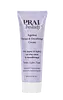
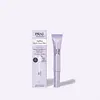
This anti-aging treatment is formulated around Atelocollagen and Tetrahexyldecyl Ascorbate to soften the look of wrinkles and refine skin texture.

What's inside
What's inside
 Key Ingredients
Benefits
Concerns
Ingredients Side-by-side
Water
Skin ConditioningGlycerin
Humectant


Butyrospermum Parkii Butter
Skin Conditioning




Cyclopentasiloxane
Emollient
Isopropyl Myristate
Emollient
Dimethicone
Emollient
Polysorbate 20
Emulsifying
Carbomer
Emulsion StabilisingAluminum Starch Octenylsuccinate
Absorbent
Octyldodecyl Stearate
Emollient
Dipalmitoyl Hydroxyproline
Skin Conditioning
Cyclomethicone
Emollient
Dimethicone Crosspolymer
Emulsion Stabilising
Sodium Hyaluronate
Humectant


Squalane
Emollient
Aloe Barbadensis Leaf Juice
Skin Conditioning
Vitis Vinifera Fruit Extract
Skin ConditioningMorus Alba Leaf Extract
Skin ConditioningScutellaria Galericulata Extract
SoothingSaxifraga Sarmentosa Extract
Skin ConditioningZingiber Cassumunar Root Oil
Skin Conditioning
Tocopheryl Acetate
Antioxidant


Nylon-6
Ethylhexyl Isononanoate
EmollientSodium Hydroxide
BufferingPropylene Glycol
Humectant
Butylene Glycol
Humectant
Trisodium EDTA
ChelatingPotassium Sorbate
Preservative
Sodium Benzoate
Masking
Phenoxyethanol
Preservative
Parfum
Masking

Benzyl Salicylate
Perfuming
Hexyl Cinnamal
Perfuming
Limonene
Perfuming
Alpha-Isomethyl Ionone
Perfuming
CI 77891
Cosmetic ColorantWater, Glycerin, Butyrospermum Parkii Butter, Cyclopentasiloxane, Isopropyl Myristate, Dimethicone, Polysorbate 20, Carbomer, Aluminum Starch Octenylsuccinate, Octyldodecyl Stearate, Dipalmitoyl Hydroxyproline, Cyclomethicone, Dimethicone Crosspolymer, Sodium Hyaluronate, Squalane, Aloe Barbadensis Leaf Juice, Vitis Vinifera Fruit Extract, Morus Alba Leaf Extract, Scutellaria Galericulata Extract, Saxifraga Sarmentosa Extract, Zingiber Cassumunar Root Oil, Tocopheryl Acetate, Nylon-6, Ethylhexyl Isononanoate, Sodium Hydroxide, Propylene Glycol, Butylene Glycol, Trisodium EDTA, Potassium Sorbate, Sodium Benzoate, Phenoxyethanol, Parfum, Benzyl Salicylate, Hexyl Cinnamal, Limonene, Alpha-Isomethyl Ionone, CI 77891
Cyclopentasiloxane
Emollient
Vp/Hexadecene Copolymer
Hdi/Trimethylol Hexyllactone Crosspolymer
Dimethicone Crosspolymer
Emulsion Stabilising
Atelocollagen
Skin Conditioning
Sodium Chondroitin Sulfate
Skin ConditioningSilica Dimethyl Silylate
EmollientButylene Glycol
Humectant
Pentaerythrityl Tetraisostearate
Emollient
Silica
Abrasive

Butyrospermum Parkii Butter
Skin Conditioning
Caprylyl Glycol
Emollient
Tocopheryl Acetate
Antioxidant
Tetrahexyldecyl Ascorbate
Antioxidant

Dimethicone
Emollient
Zingiber Cassumunar Root Oil
Skin Conditioning
CI 77891
Cosmetic ColorantCyclopentasiloxane, Vp/Hexadecene Copolymer, Hdi/Trimethylol Hexyllactone Crosspolymer, Dimethicone Crosspolymer, Atelocollagen, Sodium Chondroitin Sulfate, Silica Dimethyl Silylate, Butylene Glycol, Pentaerythrityl Tetraisostearate, Silica, Butyrospermum Parkii Butter, Caprylyl Glycol, Tocopheryl Acetate, Tetrahexyldecyl Ascorbate, Dimethicone, Zingiber Cassumunar Root Oil, CI 77891
Ingredients Explained
These ingredients are found in both products.
Ingredients higher up in an ingredient list are typically present in a larger amount.
Butylene Glycol (or BG) is used within cosmetic products for a few different reasons:
Overall, Butylene Glycol is a safe and well-rounded ingredient that works well with other ingredients.
Though this ingredient works well with most skin types, some people with sensitive skin may experience a reaction such as allergic rashes, closed comedones, or itchiness.
Learn more about Butylene GlycolThis ingredient is also known as shea butter. It is a plant-derived extract from the nuts of the Africa shea tree and one of the most well-studied emollients.
Because it has a high concentration of fatty acids (primarily oleic, stearic, and linoleic) it is able to form a protective barrier on the skin's surface. This helps seal in moisture and prevents transepidermal water loss (TEWL).
In vitro research found an increase in skin hydration by 58% and a decrease in TEWL by 37.8% after 24 hours of applying this ingredient (pretty impressive for a single ingredient!).
Besides hydration, shea butter also contains triterpenes that have anti-inflammatory potential. In particule, lupeol cinnamate has shown the highest anti-inflammatory activity in vivo.
Shea butter also contains vitamins A and E which may contribute to antioxidant activity.
While Shea Butter has an SPF rating of about 3-4, it is not a sunscreen replacement.
This ingredient may not be fungal acne safe because its fatty acids fall within the C11-C24 range that the Malassezia yeast can metabolize.
This ingredient shows up on a lot of "pore-clogging" lists but there's no real evidence behind that. It doesn't even have a comedogenic rating from an actual study; the numbers you'll find online come from blogs citing other blogs.
Ratings for other ingredients mostly come from a 1980s rabbit ear test. This test doesn't translate well to human skin or to real products because the ingredient sits at a much lower percentage.
Some people still find it breaks them out. So if that's you, definitely trust your skin. Just know this one's based on experience and not evidence.
Learn more about Butyrospermum Parkii ButterCi 77891 is a white pigment from Titanium dioxide. It is naturally found in minerals such as rutile and ilmenite.
It's main function is to add a white color to cosmetics. It can also be mixed with other colors to create different shades.
Ci 77891 is commonly found in sunscreens due to its ability to block UV rays.
Learn more about CI 77891Cyclopentasiloxane (D5) is a lightweight silicone that mostly acts as an emollient and solvent in cosmetics. Its the reason your products feel silky, fast-spreading, and non-greasy.
Since D5 is volatile, it does its thing and then evaporates off the skin quickly.
The safety profile of this ingredient is reassuring; the US CIR Expert Panel concluded D5 is safe as used in cosmetics and Health Canada concluded that D5 is not harmful to human health or the environment as currently used in cosmetics
There's a study that people mention about D5 in a rat study showing tumors. This study is related to long-term inhalation of high D5 levels.
Regulatory bodies have judged this study to be not applicable in topical skincare since skin absorption of D5 is very low and we're not really inhaling huge amounts of D5.
The only restriction for this ingredient is environmental. The European Chemicals Agency (ECHA) restricted D5 in wash-off cosmetics at or above 0.1% due to their persistence in water.
Learn more about CyclopentasiloxaneDimethicone is a type of synthetic silicone created from natural materials such as quartz. It is also known as polydimethylsiloxane.
What it does:
Dimethicone comes in different viscosities:
Depending on the viscosity, dimethicone has different properties.
Ingredients lists don't always show which type is used, so we recommend reaching out to the brand if you have questions about the viscosity.
This ingredient is unlikely to cause irritation because it does not get absorbed into skin. However, people with silicone allergies should be careful about using this ingredient.
Note: Dimethicone may contribute to pilling. This is because it is not oil or water soluble, so pilling may occur when layered with products. When mixed with heavy oils in a formula, the outcome is also quite greasy.
Learn more about DimethiconeDimethicone Crosspolymer is a silicone created by modifying dimethicone with hydrocarbon side chains. Due to its large size, it does not penetrate skin. It is considered non-occlusive.
Dimethicone Crosspolymer is used to stabilize and thicken products. It also helps give products a silky feel.
Tocopheryl Acetate is a stable, shelf-friendly form of vitamin E.
Formulators love it because plain vitamin E oxidizes quickly once it hits air. This acetate version stays stable and resists going off, helping to extend a product's shelf life.
It's actually inactive on its own and works like a slow-release "storage" form; the enzymes in your skin called esterases gradually convert it into active vitamin E over time.
One in vivo study showed 5% of the acetate in the living layer of the epidermis converted to vitamin E after 5 days of application. This study also found the skin gained protection against UV damage even though the conversion was slow and small.
Once converted, vitamin E acts as a skin's main fat-soluble antioxidant that fights free radicals to protect skin from damage.
Topical vitamin E generally boosts the skin's photoprotection, and it reduced UV-damage in animal models.
This ingredient has some brightening potential but it's more of a prevention ingredient than spot-fader. Cell studies show it can slow down melanin production but it's worth noting that it's not the most powerful brightener out there.
Overall, it has a pretty solid safety profile and has been found to be non-irritating and non-comedogenic. Allergic reactions may happen but stay rare due to how widely the ingredient gets used.
The concentration will vary depending on the formula; industry data shows 0.1% in baby lotions, 3% in lipsticks, and 5% in foot powders. You can also find this ingredient at 100% in a pure vitamin E oil.
Most leave-on skincare keeps it at the lower end, often between 0.5-1%.
Learn more about Tocopheryl AcetateZingiber Cassumunar Root Oil is an oil.


