Plum Goodness Green Tea Renewed Clarity Night Gel Versus Dot & Key Skincare Cica & Niacinamide Night Gel
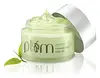
This oil-control night moisturizer is formulated around Aloe Barbadensis Leaf Juice and Camellia Sinensis Leaf Extract to balance excess oil and refine skin texture.
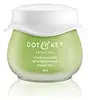
This calming night moisturizer is formulated around Aloe Barbadensis Leaf Juice and Centella Asiatica Extract to calm redness and clear breakouts.

What's inside
What's inside
 Key Ingredients
Benefits
Concerns
Ingredients Side-by-side
Water
Skin ConditioningAloe Barbadensis Leaf Juice
Skin Conditioning


Ammonium Acryloyldimethyltaurate/Vp Copolymer
Argania Spinosa Kernel Oil
Emollient





Betaine
Humectant
Camellia Sinensis Leaf Extract
Antimicrobial



Parfum
Masking



CI 19140
Cosmetic ColorantCI 42090
Cosmetic ColorantGlycolic Acid
Buffering




Ethylhexylglycerin
Skin ConditioningGlycyrrhiza Glabra Root Extract
Bleaching
Ginkgo Biloba Leaf Extract
Skin Conditioning
Lycium Barbarum Fruit Extract
Astringent
Phenoxyethanol
Preservative
Salix Alba Bark Extract
Astringent
Water, Aloe Barbadensis Leaf Juice, Ammonium Acryloyldimethyltaurate/Vp Copolymer, Argania Spinosa Kernel Oil, Betaine, Camellia Sinensis Leaf Extract, Parfum, CI 19140, CI 42090, Glycolic Acid, Ethylhexylglycerin, Glycyrrhiza Glabra Root Extract, Ginkgo Biloba Leaf Extract, Lycium Barbarum Fruit Extract, Phenoxyethanol, Salix Alba Bark Extract
Aloe Barbadensis Leaf Juice
Skin Conditioning
Glycerin
Humectant
Polyacrylamide
C13-14 Isoparaffin
Emollient
Laureth-7
EmulsifyingDimethicone
Emollient
Dicaprylyl Ether
Emollient
Centella Asiatica Extract
Cleansing
Camellia Sinensis Leaf Extract
Antimicrobial
Melaleuca Alternifolia Leaf Oil
Antioxidant
Avena Sativa Kernel Flour
Abrasive
Mentha Piperita Oil
Masking

CI 75810
Cosmetic ColorantNiacinamide
Smoothing
Laminaria Digitata Extract
Skin Protecting
Cetyl-Pg Hydroxyethyl Palmitamide
Skin ConditioningCeramide EOP
Skin Conditioning
Ceramide Ns
Skin Conditioning
Ceramide NP
Skin Conditioning
Ceramide As
Skin Conditioning
Ceramide AP
Skin Conditioning
Silanetriol
Hyaluronic Acid
Humectant
Cyclopentasiloxane
Emollient
Dimethicone Crosspolymer
Emulsion Stabilising
Xylitylglucoside
Humectant
Anhydroxylitol
Humectant
Xylitol
Humectant
Sodium Hydroxide
BufferingAllantoin
Skin Conditioning
Disodium EDTA
ChelatingBenzyl Alcohol
Perfuming
Ethylhexylglycerin
Skin ConditioningTocopherol
Antioxidant
CI 19140
Cosmetic ColorantCI 42090
Cosmetic ColorantAloe Barbadensis Leaf Juice, Glycerin, Polyacrylamide, C13-14 Isoparaffin, Laureth-7, Dimethicone, Dicaprylyl Ether, Centella Asiatica Extract, Camellia Sinensis Leaf Extract, Melaleuca Alternifolia Leaf Oil, Avena Sativa Kernel Flour, Mentha Piperita Oil, CI 75810, Niacinamide, Laminaria Digitata Extract, Cetyl-Pg Hydroxyethyl Palmitamide, Ceramide EOP, Ceramide Ns, Ceramide NP, Ceramide As, Ceramide AP, Silanetriol, Hyaluronic Acid, Cyclopentasiloxane, Dimethicone Crosspolymer, Xylitylglucoside, Anhydroxylitol, Xylitol, Sodium Hydroxide, Allantoin, Disodium EDTA, Benzyl Alcohol, Ethylhexylglycerin, Tocopherol, CI 19140, CI 42090
Reviews
Ingredients Explained
These ingredients are found in both products.
Ingredients higher up in an ingredient list are typically present in a larger amount.
Aloe Barbadensis Leaf Juice is the filtered, stabilized liquid pressed from the inner gel of the aloe vera leaf.
In cosmetics, it shows up as either soothing active or a water-replacement base. It is roughly 98-99% water and the last 1-2% is an interesting mix of polysaccharides, amino acids, vitamins, minerals, and enzymes.
The polysaccharides do most of the work: they bind water at the skin surface for a light, non-greasy hydration boost. And one of the polysaccharides, glycomannan, is linked to fibroblast stimulation + collagen synthesis. This is also why aloe has such a long track record in wound and burn healing.
This ingredient is also calming with anti-inflammatory and mild antimicrobial activity, making it a great pick for sensitive, irritated, or post-sun skin.
Realistic expectations matter though; the solid evidence is mostly limited to hydration, soothing, and wound support. Deeper claims about anti-aging or sun protection are not well backed, and science reviews note it does not prevent radiation-induced skin injury.
Because it plays well with almost everything, it's commonly used as a base alongside other actives like niacinamide or vitamin C.
Typical usage concentrations range from 0.5% (where hydration benefits already show up) all the way to 90%+ (where it replaces water as the main base).
The safety for this ingredient is well-establish as well. Overall, this is a great supporting ingredient for those who want a boost in hydration.
Learn more about Aloe Barbadensis Leaf JuiceCamellia Sinensis Leaf Extract (tea extract) is one of the most well-researched plant extracts in skincare with an impressive resume.
Black tea, green tea, and oolong tea are all harvested from the Camellia Sinensis plant.
Studies show green tea extract and its catechins (like epigallocatechin gallate (EGCG)) help your skin cells product energy more efficiently and reducing the number of free-radicals that can damage your skin from the inside.
In lab-grown skin models, this translated to younger, healthier, and stronger skin.
There's also good sun protection data; researchers saw less DNA damage and redness on human skin when green tea was applied before UVB exposure. And the more they applied, the better the protection.
Needless to say, this ingredient shouldn't replace your sunscreen. But it is a great supportive ingredient that you can already find in many sunscreens and antioxidant serums.
A 2009 study found a 2% green tea lotion was effective for mild-to-moderate acne thanks to its anti-inflammatory and mild antimicrobial activity.
The quality of the extract matters a lot here:
Good extracts contain 50-90% catechins while lower quality ones are mostly there for marketing. We recommend reaching out to the brand if you have questions about the quality or source of their ingredients.
Human Repeated Insult Patch Testing showed no irritation or sensitization at use concentrations (0.86% in leave-on products and up to 30% as leaf water).
Learn more about Camellia Sinensis Leaf ExtractCI 19140 is also known as Tartrazine. Tartrazine is a synthetic dye used in cosmetics, foods, and medicine to add a yellow color.
Tartrazine is created from petroleum and is water-soluble.
Some people may experience allergies from this dye, especially asthmatics and those with an aspirin intolerance.
Learn more about CI 19140Ci 42090 is a synthetic dye created from petroleum. It is used to give a bright blue color to cosmetics, medicine, and food.
Ethylhexylglycerin is created from glycerin. It is a multitasker ingredient that:
The CIR Expert Panel found minimal skin absorption or sensitization of any kind in a safety assessment. Though this ingredient is considered well-tolerated, a small number of cases of allergic dermatitis have been published since 2002. Just be sure to patch test if you are unsure.
Industry-reported use ranges from 8% in rinse-off products and 2% in leave-on formulations.
Learn more about Ethylhexylglycerin


