Plum Goodness 15% Vitamin C Face Serum With Mandarin Versus Plum Goodness Niacinamide 10% Serum with Rice Water
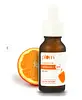
This brightening serum is formulated around 3-O-Ethyl Ascorbic Acid to brighten dull-looking skin and fade the look of dark spots.
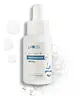
This brightening serum is formulated around Niacinamide and Oryza Sativa Extract to fade the look of dark spots and strengthen the skin barrier.

What's inside
What's inside
 Key Ingredients
Benefits
Concerns
Ingredients Side-by-side
Water
Skin Conditioning3-O-Ethyl Ascorbic Acid
Skin Conditioning





Propanediol
Solvent

Betaine
Humectant
Isodecyl Neopentanoate
EmollientEthoxydiglycol
HumectantSodium Citrate
BufferingCitric Acid
Buffering

Citrus Reticulata Peel Extract
Skin ConditioningTerminalia Ferdinandiana Fruit Extract
Antioxidant
Rosa Damascena Extract
MaskingBenzyl Alcohol
Perfuming






Hydroxyacetophenone
Antioxidant
Caprylyl Glycol
Emollient
Trilaureth-4 Phosphate
EmulsifyingSodium Polyacryloyldimethyl Taurate
Emulsion StabilisingXanthan Gum
EmulsifyingSodium Gluconate
ChelatingWater, 3-O-Ethyl Ascorbic Acid, Propanediol, Betaine, Isodecyl Neopentanoate, Ethoxydiglycol, Sodium Citrate, Citric Acid, Citrus Reticulata Peel Extract, Terminalia Ferdinandiana Fruit Extract, Rosa Damascena Extract, Benzyl Alcohol, Hydroxyacetophenone, Caprylyl Glycol, Trilaureth-4 Phosphate, Sodium Polyacryloyldimethyl Taurate, Xanthan Gum, Sodium Gluconate
Water
Skin ConditioningNiacinamide 10%
Smoothing




Oryza Sativa Extract
Absorbent
Isodecyl Neopentanoate
EmollientSqualane 5%
Emollient
Sorbitol
Humectant
Pentylene Glycol
Skin Conditioning
Hydrogenated Polyisobutene
EmollientRice Ferment Filtrate
Skin Conditioning
Butylene Glycol
Humectant
Rosa Damascena Flower Water
Masking
Caffeine 1%
Skin Conditioning
Glycyrrhiza Glabra Root Extract
Bleaching
Glycerin
Humectant
Acrylates Copolymer
Vp/Polycarbamyl Polyglycol Ester
Hydrolyzed Sesame Protein Pg-Propyl Methylsilanediol
Skin ConditioningBenzyl Alcohol
Perfuming
Hydroxyacetophenone
Antioxidant
Caprylyl Glycol
Emollient
Ethylhexyl Olivate
Skin Conditioning
Sodium Acrylates Copolymer
Polyglyceryl-4 Olivate
EmollientCyclodextrin
AbsorbentSodium Hyaluronate
Humectant
Tocopheryl Acetate
Antioxidant
Sodium Gluconate
ChelatingWater, Niacinamide 10%, Oryza Sativa Extract, Isodecyl Neopentanoate, Squalane 5%, Sorbitol, Pentylene Glycol, Hydrogenated Polyisobutene, Rice Ferment Filtrate, Butylene Glycol, Rosa Damascena Flower Water, Caffeine 1%, Glycyrrhiza Glabra Root Extract, Glycerin, Acrylates Copolymer, Vp/Polycarbamyl Polyglycol Ester, Hydrolyzed Sesame Protein Pg-Propyl Methylsilanediol, Benzyl Alcohol, Hydroxyacetophenone, Caprylyl Glycol, Ethylhexyl Olivate, Sodium Acrylates Copolymer, Polyglyceryl-4 Olivate, Cyclodextrin, Sodium Hyaluronate, Tocopheryl Acetate, Sodium Gluconate
Reviews
Ingredients Explained
These ingredients are found in both products.
Ingredients higher up in an ingredient list are typically present in a larger amount.
Benzyl Alcohol is an aromatic alcohol with several roles: it's a preservative, solvent, and mild fragrance component with a floral scent.
This ingredient has been deemed safe for use in cosmetic formulations at concentrations up to 5%, and up to 10% in hair dyes. You'll typically see 0.5-2% in most rinse-off or leave-on products.
As a preservative, it works by disrupting the membrane of microbial proteins. This helps keep bacteria and fungi from growing in your products.
The sensitization picture is actually quite assuring as well:of nearly 71,000 patients patch tested with benzyl alcohol, only 0.21% showed a positive reaction with most of them being weakly positive.
This led researchers to conclude that benzyl alcohol cannot be regarded as a significant contact allergen.
It is worth noting this ingredient is classified as one of the EU's regulated fragrance allergens and restricted to 1% in finished products.
Labels must also declare it in concentrations above 0.001% in leave-on products and 0.01% in rinse-off products.
At concentrations around 5%, localized redness and itching can appear as a direct irritant response and not as a true allergic reaction.
Learn more about Benzyl AlcoholCaprylyl Glycol is a humectant, skin conditioner, emollient, and preservative booster derived from either caprylic acid or synthetically created.
Typical use levels vary from 0.3-1% as a preservative booster and go up to 2% to condition skin.
Because it is not a free-fatty acid, this ingredient is fungal acne safe (there's nothing for Malassezia to feed on).
Learn more about Caprylyl GlycolHydroxyacetophenone is a small phenolic molecule that earns its place in a formulas as an antioxidant and preservative booster.
As a phenol, it is able to neutralize free radicals to protect both the product and the skin from oxidative stress.
Though it can't kill microbes on its own, it works as a good supporting agent when combined with other preservatives like Phenoxyethanol or 1,2-Hexanediol.
This ingredient naturally occurs as piceol in Norwegian spruce needles (~0.4-1.1% dry weight and in cloudberries). Though the cosmetic-grade material is synthesized for purity and consistency.
You'll usually see it used at low levels and suppliers recommend up to 1% added to a water phase.
Safety testing was done at concentrations like 0.05% in SPF products and 0.5% in a Human Repeated Insult Patch Test. The safety evidence is assuring; this ingredient is safe for cosmetics in current use and also holds safety status as a food flavoring as well.
An honest caveat: the "soothing" and "anti-inflammatory" claims come mostly from supplier marketing rather than published clinical trials. The Cosmetic Ingredient Review's own literature search found no useful efficacy studies on this ingredient.
So the antioxidant and preservative-boosting roles are the well supported ones while the calming benefit is plausible but thinly evidenced.
Overall, this is a well-tolerated, low-irritation multitasker that quietly helps a formula stay fresh and stable.
Learn more about HydroxyacetophenoneWe don't have a description for Isodecyl Neopentanoate yet.
Sodium Gluconate is the sodium salt of gluconic acid. In skincare, its main job is as a chelator.
Chelators grab onto stray metal ions like iron and copper that sneak in through water, raw materials, or manufacturing equipment. This stops them from triggering reactions that cause oils to go rancid, formulas to change color, and actives like vitamin C to fall apart.
This ingredient is often chosen as a biodegradable, gentler-sounding alternative to EDTA. It also pulls double duty as a mild humectant and pH buffer.
Typical use levels sit around 0.1-1% and supplier documents list up to 10% as an acceptable ceiling. Industry data found this ingredient family is mostly used well below 1% in leave on products.
Allergy risk is very low; animal testing has found it to be non-irritating to skin and eyes, mutagenicity assays came back negative, and there are no published reports of allergic contact dermatitis to it.
Learn more about Sodium GluconateWater. It's the most common cosmetic ingredient of all. You'll usually see it at the top of ingredient lists, meaning that it makes up the largest part of the product.
So why is it so popular? Water most often acts as a solvent - this means that it helps dissolve other ingredients into the formulation.
You'll also recognize water as that liquid we all need to stay alive. If you see this, drink a glass of water. Remember to stay hydrated!
Learn more about Water

