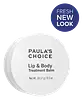
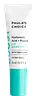
Paula's Choice Lip & Body Treatment Balm Versus Paula's Choice Boost Hyaluronic Acid + Peptide Lip Booster
This barrier-repair lip moisturizer is formulated around Ricinus Communis Seed Oil and Petrolatum to strengthen the lip barrier and hydrate lips.
This anti-aging lip moisturizer is formulated around Sodium Hyaluronate and Palmitoyl Tripeptide-1 to soften the look of wrinkles and hydrate lips.

What's inside
What's inside
 Key Ingredients
Benefits
Concerns
Ingredients Side-by-side
Ricinus Communis Seed Oil
Masking




Petrolatum
Emollient

Euphorbia Cerifera Wax
Lanolin
Emollient
C10-30 Cholesterol/Lanosterol Esters
Emulsifying
Cera Alba
Emollient
Ozokerite
Emulsion StabilisingEthylhexyl Palmitate
Emollient
Copernicia Cerifera Wax
Butyrospermum Parkii Butter
Skin Conditioning
Jojoba Esters
Emollient
Triticum Vulgare Germ Oil
Emollient
Bisabolol
Antioxidant



Tetrahexyldecyl Ascorbate
Antioxidant



Tocopheryl Acetate
Antioxidant
Trihydroxystearin
Skin Conditioning
Hydrogenated Polyisobutene
EmollientRicinus Communis Seed Oil, Petrolatum, Euphorbia Cerifera Wax, Lanolin, C10-30 Cholesterol/Lanosterol Esters, Cera Alba, Ozokerite, Ethylhexyl Palmitate, Copernicia Cerifera Wax, Butyrospermum Parkii Butter, Jojoba Esters, Triticum Vulgare Germ Oil, Bisabolol, Tetrahexyldecyl Ascorbate, Tocopheryl Acetate, Trihydroxystearin, Hydrogenated Polyisobutene
Diisostearyl Malate
EmollientHydrogenated Castor Oil/Sebacic Acid Copolymer
Emollient
Theobroma Cacao Seed Butter
Emollient
Dipentaerythrityl Tetrabehenate/Polyhydroxystearate
HumectantPolyamide-8
EmollientPolyglyceryl-3 Beeswax
Emulsifying
Dimer Dilinoleyl Dimer Dilinoleate
EmollientEthylhexyl Palmitate
Emollient
Triisostearin
Skin Conditioning
Squalane
Emollient
Butyrospermum Parkii Butter Unsaponifiables
Skin Conditioning
Cetearyl Ethylhexanoate
Emollient
Dipalmitoyl Hydroxyproline
Skin Conditioning
Water
Skin ConditioningArginine/Lysine Polypeptide
Skin Conditioning
Tocopherol
Antioxidant
Tribehenin
Emollient
Palmitic Acid
Emollient
Hydroxystearic Acid
Cleansing
Sorbitan Isostearate
Emulsifying
Trihydroxystearin
Skin Conditioning
Glycine Soja Oil
Emollient
Pentaerythrityl Tetra-Di-T-Butyl Hydroxyhydrocinnamate
Antioxidant
Portulaca Pilosa Extract
Skin ConditioningSodium Hyaluronate
Humectant
Lactic Acid
Buffering

Sucrose Cocoate
Emulsifying

Palmitoyl Tripeptide-1
Skin Conditioning
Palmitoyl Tripeptide-38
Skin Conditioning
Glucomannan
Skin ConditioningSorbic Acid
Preservative
Diisostearyl Malate, Hydrogenated Castor Oil/Sebacic Acid Copolymer, Theobroma Cacao Seed Butter, Dipentaerythrityl Tetrabehenate/Polyhydroxystearate, Polyamide-8, Polyglyceryl-3 Beeswax, Dimer Dilinoleyl Dimer Dilinoleate, Ethylhexyl Palmitate, Triisostearin, Squalane, Butyrospermum Parkii Butter Unsaponifiables, Cetearyl Ethylhexanoate, Dipalmitoyl Hydroxyproline, Water, Arginine/Lysine Polypeptide, Tocopherol, Tribehenin, Palmitic Acid, Hydroxystearic Acid, Sorbitan Isostearate, Trihydroxystearin, Glycine Soja Oil, Pentaerythrityl Tetra-Di-T-Butyl Hydroxyhydrocinnamate, Portulaca Pilosa Extract, Sodium Hyaluronate, Lactic Acid, Sucrose Cocoate, Palmitoyl Tripeptide-1, Palmitoyl Tripeptide-38, Glucomannan, Sorbic Acid
Reviews
Ingredients Explained
These ingredients are found in both products.
Ingredients higher up in an ingredient list are typically present in a larger amount.
Ethylhexyl Palmitate, also known as octyl palmitate, is created from 2-ethylhexyl alcohol and palmitic acid.
In cosmetics, it plays many roles:
One thing worth noting: a controlled study found this ingredient applied under occlusion to acne-prone subjects increased microcomedones. Just keep in mind this was under occlusive conditions and don't reflect how most products are used day-to-day.
For most people, this is a well-tolerated and lightweight ingredient.
This ingredient may not be fungal acne safe because it is an ester of palmitic acid, a C16 fatty acid that falls within the C11-24 range that Malassezia can metabolize.
You'll see this one rated 4 comedogenic all over the internet. That number isn't from a single study, and the actual research is more interesting.
The original rating comes from 1980s rabbit ear tests (which are a shaky basis for anything). But Ethylhexyl Palmitate is one of the few ingredients with real human data behind it. A 2021 controlled trial found this ingredient increased microcomedones by an average of 365% over four weeks.
Just know that test used the pure ingredient under an occlusive pad on back skin; most products use it at much lower levels alongside other ingredients and plenty of people use those with no issue.
Learn more about Ethylhexyl PalmitateTrihydroxystearin is what you get when you fully hydrogenate castor oil into a waxy, fine powder.
It's mostly a behind-the-scenes texture enhancer that's especially good at "thixotropic" thing where the product stays thick but applies nicely.
Because of its structure, it also acts as a mild skin conditioning emollient that helps soften skin while preventing moisture loss.
Safety studies show it to be safe and non-irritation in clinical tests. It's typically used in concentrations up to 5%.
Since its an ester of a C18 fatty acid, it falls into the C11-24 range that Malassezia can potentially feed on. This makes it not fungal-acne safe.
Learn more about Trihydroxystearin

