

What's inside
What's inside
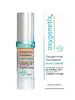 Key Ingredients
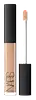
Benefits
Concerns
Ingredients Side-by-side
Salicylic Acid 2%
Masking










Aloe Barbadensis Extract
Skin Conditioning


Isododecane
EmollientTitanium Dioxide
Cosmetic Colorant

Methicone
Emollient
Polyglyceryl-4 Isostearate
Emulsifying
Cetyl PEG/PPG-10/1 Dimethicone
Emulsifying
Hexyl Laurate
Emollient
Cyclopentasiloxane
Emollient
PEG/PPG-20/15 Dimethicone
Emulsifying
Saccharomyces Cerevisiae Extract
Skin Conditioning
PEG-8
HumectantDioctyldodecyl Dodecanedioate
EmollientIron Oxides
Vitis Vinifera Seed Extract
Antimicrobial
Glycerin
Humectant

O-Cymen-5-Ol
Antimicrobial
Silica
Abrasive
Cyclomethicone
Emollient
Disteardimonium Hectorite
StabilisingPropylene Carbonate
SolventMaris Sal
Skin ConditioningDimethicone/Vinyl Dimethicone Crosspolymer
Skin Conditioning
Salicylic Acid 2%, Aloe Barbadensis Extract, Isododecane, Titanium Dioxide, Methicone, Polyglyceryl-4 Isostearate, Cetyl PEG/PPG-10/1 Dimethicone, Hexyl Laurate, Cyclopentasiloxane, PEG/PPG-20/15 Dimethicone, Saccharomyces Cerevisiae Extract, PEG-8, Dioctyldodecyl Dodecanedioate, Iron Oxides, Vitis Vinifera Seed Extract, Glycerin, O-Cymen-5-Ol, Silica, Cyclomethicone, Disteardimonium Hectorite, Propylene Carbonate, Maris Sal, Dimethicone/Vinyl Dimethicone Crosspolymer
Water
Skin ConditioningDimethicone
Emollient
Hydrogenated Polydecene
EmollientPropanediol
Solvent
Butylene Glycol
Humectant
PEG-9 Polydimethylsiloxyethyl Dimethicone
Emulsifying
Glycerin
Humectant
Disteardimonium Hectorite
StabilisingPEG-10 Dimethicone
Skin Conditioning
Polymethyl Methacrylate
Bis-Butyldimethicone Polyglyceryl-3
Cleansing
Sorbitan Sesquiisostearate
Emulsifying
Dimethicone/Vinyl Dimethicone Crosspolymer
Skin Conditioning
Phenoxyethanol
Preservative
Isostearic Acid
Cleansing
Polysilicone-2
Aluminum Hydroxide
EmollientMaltodextrin
Absorbent
Trisodium EDTA
ChelatingLecithin
Emollient
Silica
Abrasive
Tin Oxide
Abrasive
Triethoxycaprylylsilane
Tocopheryl Acetate
Antioxidant
Sodium Metabisulfite
Antioxidant
Magnolia Officinalis Bark Extract
Antimicrobial
Tocopherol
Antioxidant

Vitis Vinifera Seed Extract
Antimicrobial
Mica
Cosmetic ColorantCI 77891
Cosmetic ColorantCI 77491
Cosmetic ColorantCI 77492
Cosmetic ColorantCI 77499
Cosmetic ColorantCI 77163
Cosmetic Colorant
CI 42090
Cosmetic ColorantWater, Dimethicone, Hydrogenated Polydecene, Propanediol, Butylene Glycol, PEG-9 Polydimethylsiloxyethyl Dimethicone, Glycerin, Disteardimonium Hectorite, PEG-10 Dimethicone, Polymethyl Methacrylate, Bis-Butyldimethicone Polyglyceryl-3, Sorbitan Sesquiisostearate, Dimethicone/Vinyl Dimethicone Crosspolymer, Phenoxyethanol, Isostearic Acid, Polysilicone-2, Aluminum Hydroxide, Maltodextrin, Trisodium EDTA, Lecithin, Silica, Tin Oxide, Triethoxycaprylylsilane, Tocopheryl Acetate, Sodium Metabisulfite, Magnolia Officinalis Bark Extract, Tocopherol, Vitis Vinifera Seed Extract, Mica, CI 77891, CI 77491, CI 77492, CI 77499, CI 77163, CI 42090
Reviews
Ingredients Explained
These ingredients are found in both products.
Ingredients higher up in an ingredient list are typically present in a larger amount.
This ingredient is a silicone elastomer that works as a texture enhancer, adds a silky slip, and also helps absorb excess oil.
Because it's a large macromolecule that's insoluble in water and chemically inert, it's not expected to penetrate or be absorbed into skin.
Human patch tests with a facial lotion containing 1% of this ingredient found no sensitization.
Learn more about Dimethicone/Vinyl Dimethicone CrosspolymerDisteardimonium Hectorite comes from the clay mineral named hectorite. It is used to add thickness to a product.
It can also help stabilize a product by helping to disperse other ingredients.
Hectorite is a rare, white clay mineral.
Learn more about Disteardimonium HectoriteGlycerin (or glycerol) is a compound naturally found in your skin. It's a powerhouse humectant that pulls water into the stratum corneum.
Topically, glycerin does several things at once:
Your skin makes glycerin on its own (mostly from sebaceous oil breakdown) and shuttles it to your outermost layer of skin, or your epidermis, via aquaporin-3.
Aquaporin-3 is a transporter that is essential for normal skin hydration, elasticity, and repair. Interestingly, mice lacking in AQP3 have dry and less elastic skin that can be fully corrected with glycerin.
This ingredient is non-irritating, plays well with almost every ingredient, and works across all skin types. Typical use is anywhere between 3-10% but can go up to 79% in some leave-on products.
Just know very high concentrations (>40%) can feel tacky in low humidity.
Glycerin is the name for this ingredient in American English. British English uses Glycerol/Glycerine.
Learn more about GlycerinSilica, also known as silicon dioxide, is a naturally occurring mineral. It is used as a fine, spherical, and porous powder in cosmetics.
Though it has exfoliant properties, the function of silica varies depending on the product.
The unique structure of silica enhances the spreadability and adds smoothness, making it a great texture enhancer.
It is also used as an active carrier, emulsifier, and mattifier due to its ability to absorb excess oil.
In some products, tiny microneedles called spicules are made from silica or hydrolyzed sponge. When you rub them in, they lightly polish away dead skin layers and enhance the penetration of active ingredients.
Learn more about SilicaVitis Vinifera Seed Extract comes from the grape vine. Grape seeds are a byproduct of creating grape juice or wine.
The components of grape seeds have many skin benefits. Research has found it to be antimicrobial and anti-inflammatory. It also contains many potent antioxidants such as Vitamin E , Vitamin C, proanthocyanidins, polyphenols, flavonoids, and anthocyanins. Proanthocyanidin has been shown to help even out skin tone.
Antioxidants help fight free-radical molecules. Free-radical molecules are capable of damaging our cells and other genetic material. Antioxidants help stabilize free-radicals by donating extra electrons. Grape seed extract may help reduce the signs of aging.
The antimicrobial properties of grape seed may help treat acne. However, more research is needed to support this claim.
Grape seed has also been found to help absorb UV rays. Grape seed extract should not replace your sunscreen.
Learn more about Vitis Vinifera Seed Extract

