
What's inside
What's inside
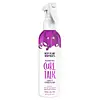 Key Ingredients
Benefits
Concerns
Ingredients Side-by-side
Water
Skin ConditioningCetearyl Alcohol
Emollient






Behentrimonium Chloride
Preservative
PPG-3 Benzyl Ether Ethylhexanoate
EmollientGlycerin
Humectant


Salvia Hispanica Seed Extract
Emollient
Trehalose
Humectant
Xylitol
Humectant
Caprylyl/Capryl Glucoside
CleansingEthyl Linoleate
Emollient

Ethyl Oleate
Emollient
Sorbitan Oleate
Emulsifying
Polyquaternium-37
Sodium Phosphate
BufferingDistearyldimonium Chloride
Quaternium-80
Persea Gratissima Oil
Skin Conditioning
Sclerocarya Birrea Seed Oil
Humectant
Mauritia Flexuosa Fruit Oil
Skin Conditioning
Lactobacillus/Tomato Fruit Ferment Extract
Skin ConditioningOryza Sativa Extract
Absorbent
Keratin Amino Acids
Skin ConditioningAcyl Coenzyme A Desaturase
Skin ConditioningTocopherol
Antioxidant



Parfum
Masking
Phenoxyethanol
Preservative
Ethylhexylglycerin
Skin ConditioningCitric Acid
Buffering
Water, Cetearyl Alcohol, Behentrimonium Chloride, PPG-3 Benzyl Ether Ethylhexanoate, Glycerin, Salvia Hispanica Seed Extract, Trehalose, Xylitol, Caprylyl/Capryl Glucoside, Ethyl Linoleate, Ethyl Oleate, Sorbitan Oleate, Polyquaternium-37, Sodium Phosphate, Distearyldimonium Chloride, Quaternium-80, Persea Gratissima Oil, Sclerocarya Birrea Seed Oil, Mauritia Flexuosa Fruit Oil, Lactobacillus/Tomato Fruit Ferment Extract, Oryza Sativa Extract, Keratin Amino Acids, Acyl Coenzyme A Desaturase, Tocopherol, Parfum, Phenoxyethanol, Ethylhexylglycerin, Citric Acid
Water
Skin ConditioningCetearyl Alcohol
Emollient
Quaternium-98
EmollientPPG-3 Benzyl Ether Ethylhexanoate
EmollientIsopentyldiol
Humectant
Dioctyldodecyl Dodecanedioate
EmollientCeteareth-20
Cleansing
Hydroxypropylammonium Gluconate
HumectantHydroxypropylgluconamide
HumectantRice Amino Acids
Skin Conditioning
Persea Gratissima Oil
Skin Conditioning
Ricinus Communis Seed Oil
Masking
Mauritia Flexuosa Fruit Oil
Skin Conditioning
Pentaerythrityl Tetra-Di-T-Butyl Hydroxyhydrocinnamate
Antioxidant
Tetrasodium Glutamate Diacetate
ChelatingPhenoxyethanol
Preservative
Ethylhexylglycerin
Skin ConditioningBenzyl Alcohol
Perfuming

Sodium Benzoate
Masking
Potassium Sorbate
Preservative
Tartaric Acid
Buffering
Lactic Acid
Buffering


Parfum
Masking
Limonene
Perfuming
Linalool
Perfuming
Citronellol
Perfuming
Tetramethyl Acetyloctahydronaphthalenes
Masking
Citrus Limon Peel Oil
Masking

Hydroxycitronellal
Perfuming
Linalyl Acetate
Masking
Geranyl Acetate
Perfuming
Terpineol
Masking
Vanillin
Masking
Citrus Aurantium Bergamia Peel Oil
Perfuming
Pinene
Masking
Rose Ketone-4
Perfuming
Water, Cetearyl Alcohol, Quaternium-98, PPG-3 Benzyl Ether Ethylhexanoate, Isopentyldiol, Dioctyldodecyl Dodecanedioate, Ceteareth-20, Hydroxypropylammonium Gluconate, Hydroxypropylgluconamide, Rice Amino Acids, Persea Gratissima Oil, Ricinus Communis Seed Oil, Mauritia Flexuosa Fruit Oil, Pentaerythrityl Tetra-Di-T-Butyl Hydroxyhydrocinnamate, Tetrasodium Glutamate Diacetate, Phenoxyethanol, Ethylhexylglycerin, Benzyl Alcohol, Sodium Benzoate, Potassium Sorbate, Tartaric Acid, Lactic Acid, Parfum, Limonene, Linalool, Citronellol, Tetramethyl Acetyloctahydronaphthalenes, Citrus Limon Peel Oil, Hydroxycitronellal, Linalyl Acetate, Geranyl Acetate, Terpineol, Vanillin, Citrus Aurantium Bergamia Peel Oil, Pinene, Rose Ketone-4
Reviews
Ingredients Explained
These ingredients are found in both products.
Ingredients higher up in an ingredient list are typically present in a larger amount.
Cetearyl alcohol is a waxy mixture of two fatty alcohols: cetyl alcohol and stearyl alcohol. It is an emollient and emulsifier.
Despite having "alcohol" in its name, it has nothing to do with drying solvent alcohols; the FDA also allows "alcohol-free" products to contain fatty alcohols like this ingredient.
It plays several roles in a formula:
Typical use levels for this ingredient sit around 1-10% and the Cosmetic Ingredient Review Expert Panel has affirmed safety at concentrations up to 25% in leave-on products.
Multiple assessments have found it to be non-irritating and non-sensitizing to most people.
However, there have been some cases of allergic contact dermatitis in patients with chronically compromised skin barriers.
Cetearyl alcohol has a comedogenic rating of 2 and irritancy rating of 1. Both of these numbers come from the 1989 study that used rabbit ears; a "2" means mildly comedogenic and a "1" means low irritancy.
Here's the catch: rabbit skin is more sensitive than human skin and throws a lot of false positives. A 1996 reappraisal found that ingredients rated 1-2 in the rabbit ear tests are generally safe for humans.
Remember comedogenic ratings are unable to assess the entire formula of a product or how it will react on your skin. Just be sure to patch test if you are unsure about certain ingredients.
This ingredient is not fungal acne safe. Cetearyl alcohol is a fatty alcohol with chain lengths that fall within the range that Malassezia can metabolize.
A 2019 study has also observed Malassezia growth in the presence of this ingredient, confirming it to be not-fungal acne safe.
Learn more about Cetearyl AlcoholEthylhexylglycerin is created from glycerin. It is a multitasker ingredient that:
The CIR Expert Panel found minimal skin absorption or sensitization of any kind in a safety assessment. Though this ingredient is considered well-tolerated, a small number of cases of allergic dermatitis have been published since 2002. Just be sure to patch test if you are unsure.
Industry-reported use ranges from 8% in rinse-off products and 2% in leave-on formulations.
Learn more about EthylhexylglycerinMauritia Flexuosa Fruit Oil is the red-orange oil from the pulp of the buriti palm, an Amazonian tree also known as moriche or aguaje.
If you have ever seen an oil that looks like liquid sunset in a bottle, this is probably it. The color comes from carotenoids and buriti is one of the most carotenoid-loaded oils in cosmetics.
Fatty acid-wise, it's a fairly plain high oleic oil (~73-80% oleic, ~15-21% palmitic). So it behaves like the olive and avocado oils of the world: rich, cushiony, good at softening skin and slowing water loss.
Human data is thin but reassuring on the irritation front: a cream containing buriti oil plus a few other Peruvian plant oils caused no irritation or sensitisation over 28 days of daily use. There are also no published allergy case reports for it either.
The most common complaint is that this ingredient can tint skin and stain pillowcases at higher percentages.
There is a widely quoted SPF 49 result but that came from a nanoemulsion that had actual chemical sunscreens in it, so the SPF is not the oil's. Don't treat this ingredient as a sunscreen replacement.
This ingredient shows up on a lot of "pore-clogging" lists but there's no real evidence behind that. It doesn't even have a comedogenic rating from an actual study; the numbers you'll find online come from blogs citing other blogs.
Ratings for other ingredients mostly come from a 1980s rabbit ear test. This test doesn't translate well to human skin or to real products because the ingredient sits at a much lower percentage.
Some people still find it breaks them out. So if that's you, definitely trust your skin.
Since this ingredient is built on oleic and palmitic acid, it may not be fungal acne safe. This is exactly what the Malassezia yeast feeds on.
Learn more about Mauritia Flexuosa Fruit OilParfum is a catch-all term for an ingredient or more that is used to give a scent to products.
Also called "fragrance", this ingredient can be a blend of hundreds of chemicals or plant oils. This means every product with "fragrance" or "parfum" in the ingredients list is a different mixture.
For instance, Habanolide is a proprietary trade name for a specific aroma chemical. When used as a fragrance ingredient in cosmetics, most aroma chemicals fall under the broad labeling category of “FRAGRANCE” or “PARFUM” according to EU and US regulations.
The term 'parfum' or 'fragrance' is not regulated in many countries. In many cases, it is up to the brand to define this term.
For instance, many brands choose to label themselves as "fragrance-free" because they are not using synthetic fragrances. However, their products may still contain ingredients such as essential oils that are considered a fragrance by INCI standards.
One example is Calendula flower extract. Calendula is an essential oil that still imparts a scent or 'fragrance'.
Depending on the blend, the ingredients in the mixture can cause allergies and sensitivities on the skin. Some ingredients that are known EU allergens include linalool and citronellol.
Parfum can also be used to mask or cover an unpleasant scent.
The bottom line is: not all fragrances/parfum/ingredients are created equally. If you are worried about fragrances, we recommend taking a closer look at an ingredient. And of course, we always recommend speaking with a professional.
Learn more about ParfumThis ingredient is also known as Avocado oil. It's the cold-pressed oil from the flesh of the avocado fruit packed with fatty acids (mostly oleic acid).
The rich fatty acid profile allows it to function as a skin conditioning agent and emollient; it helps soften and smooth skin while reducing water loss.
Preclinical research has found that topical avocado oil increased collagen synthesis and reduced inflammation during wound healing, giving it some skin-repairing credibility.
The unsaponifiable fraction of the oil is also interesting: studies on avocado unsaponifiables showed that it helped skin produce more collagen and other structural compounds that support healing.
The CIR Expert Panel has found this ingredient to be non-irritating in formulations.
This ingredient may not be fungal acne safe. This is because the oleic acid content falls within the range that Malassezia can use as a food source.
This ingredient does have a comedogenic rating of 0-3, but this doesn't mean a formula with this ingredient will clog pores. Human testing has proved that any finished product with a comedogenic ingredient won't automatically make you break out; it really comes down to concentration, formula, and your skin.
Learn more about Persea Gratissima OilPhenoxyethanol is one of the most widely used preservatives in skincare (and for good reason!).
It has a large spectrum of antimicrobial activity and especially effective bacteria, yeast, and mold while only having a weak effect on your skin's natural microbiome.
On a cellular level, it disrupts the cell membranes of microbes by poking holes that make the cell leak. This shuts down the chemical reactions the microbe needs to make energy so it can no longer survive.
Another perk of this ingredient is that it stays functional across a wide pH range (3-10).
You'll often see it paired with boosters like Ethylhexylglycerin; one study showed that a 1:9 ratio of Ethylhexylglycerin to Phenoxyethanol damages bacterial membranes as effectively as doubling the Phenoxyethanol concentration on its own.
Typical use concentrations range from 0.3-1% depending on the formula, and this ingredient is capped at 1% int the EU.
Safety-wise, the fear mongering does not hold up to the evidence. The EU's Scientific Committee on Consumer Safety and FDA consider it safe as a preservative at up to 1%, including for children of all ages.
Adverse systemic effects only showed up in animal studies at exposures roughly 200x higher than what people get from cosmetics. And despite its very widespread use, this ingredient is a rare sensitizer and allergic reactions are uncommon.
Learn more about PhenoxyethanolWe don't have a description for PPG-3 Benzyl Ether Ethylhexanoate yet.
Water. It's the most common cosmetic ingredient of all. You'll usually see it at the top of ingredient lists, meaning that it makes up the largest part of the product.
So why is it so popular? Water most often acts as a solvent - this means that it helps dissolve other ingredients into the formulation.
You'll also recognize water as that liquid we all need to stay alive. If you see this, drink a glass of water. Remember to stay hydrated!
Learn more about Water

