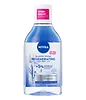
This mild micellar makeup remover is made to dissolve makeup, sunscreen, and daily buildup.
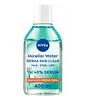
This salicylic acid micellar makeup remover is made to dissolve makeup, sunscreen, and daily buildup.

What's inside
What's inside
 Key Ingredients
No key ingredients
Benefits
Concerns
Ingredients Side-by-side
Water
Skin ConditioningIsododecane
EmollientGlycerin
Humectant


C15-19 Alkane
SolventPanthenol
Skin Conditioning

Squalane
Emollient
Arginine Hcl
Skin ConditioningCoco-Caprylate/Caprate
Emollient
Isopropyl Palmitate
Emollient




Caprylyl/Capryl Glucoside
CleansingPantolactone
Humectant
Sodium Chloride
MaskingTrisodium EDTA
ChelatingSodium Hydroxide
BufferingCitric Acid
Buffering

Phenoxyethanol
Preservative
Benzethonium Chloride
Antimicrobial
Decyl Alcohol
Emollient
CI 61565
Cosmetic ColorantCI 60725
Cosmetic ColorantWater, Isododecane, Glycerin, C15-19 Alkane, Panthenol, Squalane, Arginine Hcl, Coco-Caprylate/Caprate, Isopropyl Palmitate, Caprylyl/Capryl Glucoside, Pantolactone, Sodium Chloride, Trisodium EDTA, Sodium Hydroxide, Citric Acid, Phenoxyethanol, Benzethonium Chloride, Decyl Alcohol, CI 61565, CI 60725
Water
Skin ConditioningIsododecane
EmollientGlycerin
Humectant
C15-19 Alkane
SolventNiacinamide
Smoothing





Gluconolactone
Chelating
Salicylic Acid
Masking


Arginine Hcl
Skin ConditioningTocopherol
Antioxidant

Coco-Caprylate/Caprate
Emollient
Glycolipids
Skin ConditioningZea Mays Oil
Emulsifying

Sodium Chloride
MaskingSodium Lactate
Buffering
Citric Acid
Buffering
Sodium Hydroxide
BufferingTrisodium EDTA
ChelatingBis-Ethylhexyloxyphenol Methoxyphenyl Triazine
UV Absorber
Phenoxyethanol
Preservative
Sodium Benzoate
Masking
CI 61565
Cosmetic ColorantCI 40800
Cosmetic ColorantWater, Isododecane, Glycerin, C15-19 Alkane, Niacinamide, Gluconolactone, Salicylic Acid, Arginine Hcl, Tocopherol, Coco-Caprylate/Caprate, Glycolipids, Zea Mays Oil, Sodium Chloride, Sodium Lactate, Citric Acid, Sodium Hydroxide, Trisodium EDTA, Bis-Ethylhexyloxyphenol Methoxyphenyl Triazine, Phenoxyethanol, Sodium Benzoate, CI 61565, CI 40800
Reviews
Ingredients Explained
These ingredients are found in both products.
Ingredients higher up in an ingredient list are typically present in a larger amount.
We don't have a description for Arginine Hcl yet.
C15-19 alkane is a mixture of alkanes. Alkanes are hydrocarbons with carbon atoms held together by single bonds.
It is a synthetically created solvent and emollient often used to replace silicones or mineral oil. As an emollient, C15-19 Alkane helps soften and soothe the skin. Emollients create a barrier to trap moisture inside.
You'll often see this ingredient used with mineral UV filters such as titanium dioxidide and zinc oxide. It helps these UV filter ingredients be more spreadable.
This ingredient is biodegradable. According to a manufacturer, it is also known as Hydrogenated Polyfarnesene.
Learn more about C15-19 AlkaneWe don't have a description for CI 61565 yet.
Citric Acid is an alpha hydroxy acid (AHA) naturally found in citrus fruits like oranges, lemons, and limes.
Like other AHAs, citric acid can exfoliate skin by breaking down the bonds that hold dead skin cells together. This helps reveal smoother and brighter skin underneath.
However, this exfoliating effect only happens at high concentrations (20%) which can be hard to find in cosmetic products.
Due to this, citric acid is usually included in small amounts as a pH adjuster. This helps keep products slightly more acidic and compatible with skin's natural pH.
In skincare formulas, citric acid can:
While it can provide some skin benefits, research shows lactic acid and glycolic acid are generally more effective and less irritating exfoliants.
Most citric acid used in skincare today is made by fermenting sugars (usually from molasses). This synthetic version is identical to the natural citrus form but easier to stabilize and use in formulations.
Rosacea skin has a lower threshold for acids generally, with 62.5% of rosacea subjects in one study reacting to lactic acid in a sting test. This is why we mark citric acid as a potential rosacea trigger.
However, this ingredient shows up as a pH adjuster or chelator at roughly 0.1-1% in many products. These low levels are unlikely to be an issue for rosacea skin and becomes a potential trigger at exfoliating concentrations (20%). Because everybody's skin is unique, we recommend a patch test if you are unsure.
Learn more about Citric AcidCoco-Caprylate/Caprate is a lightweight ester created from coconut oil fatty acids, caprylic acid, and capric acid.
It is an emollient that helps soften skin and reduce transepidermal water loss (TEWL). What sets it apart from heavier emollients is its ultralight, non-greasy feel.
Once applied, this ingredient dries down quickly and leaves a dry, silky finish behind. This also helps improve spreadability and texture.
This ingredient has an excellent safety-record and is non-irritating.
Typical concentrations for cosmetics range from 0.5-62%.
Research on Malassezia growth found no growth on fatty acid esters with chain lengths shorter than 12 carbons (it prefers C11-24).
Since Coco-Caprylate/Caprate is built on C8 and C10 fatty acids, it is out of the range that Malassezia metabolizes, and therefore safe for fungal acne.
Learn more about Coco-Caprylate/CaprateGlycerin (or glycerol) is a compound naturally found in your skin. It's a powerhouse humectant that pulls water into the stratum corneum.
Topically, glycerin does several things at once:
Your skin makes glycerin on its own (mostly from sebaceous oil breakdown) and shuttles it to your outermost layer of skin, or your epidermis, via aquaporin-3.
Aquaporin-3 is a transporter that is essential for normal skin hydration, elasticity, and repair. Interestingly, mice lacking in AQP3 have dry and less elastic skin that can be fully corrected with glycerin.
This ingredient is non-irritating, plays well with almost every ingredient, and works across all skin types. Typical use is anywhere between 3-10% but can go up to 79% in some leave-on products.
Just know very high concentrations (>40%) can feel tacky in low humidity.
Glycerin is the name for this ingredient in American English. British English uses Glycerol/Glycerine.
Learn more about GlycerinIsododecane is a fragrance, emollient, and solvent.
As an emollient, it helps your skin stay soft and hydrated. Emollients help trap moisture into your skin.
Isododecane's role as a solvent makes it a great texture enhancer. It spreads smoothly on skin and does not leave a sticky feeling behind. Isododecane also helps prevent color transfer in makeup products.
Isododecane is not absorbed into skin.
The chemical name for this ingredient is 2,2,4,6,6-PENTAMETHYLHEPTANE.
Learn more about IsododecanePhenoxyethanol is one of the most widely used preservatives in skincare (and for good reason!).
It has a large spectrum of antimicrobial activity and especially effective bacteria, yeast, and mold while only having a weak effect on your skin's natural microbiome.
On a cellular level, it disrupts the cell membranes of microbes by poking holes that make the cell leak. This shuts down the chemical reactions the microbe needs to make energy so it can no longer survive.
Another perk of this ingredient is that it stays functional across a wide pH range (3-10).
You'll often see it paired with boosters like Ethylhexylglycerin; one study showed that a 1:9 ratio of Ethylhexylglycerin to Phenoxyethanol damages bacterial membranes as effectively as doubling the Phenoxyethanol concentration on its own.
Typical use concentrations range from 0.3-1% depending on the formula, and this ingredient is capped at 1% int the EU.
Safety-wise, the fear mongering does not hold up to the evidence. The EU's Scientific Committee on Consumer Safety and FDA consider it safe as a preservative at up to 1%, including for children of all ages.
Adverse systemic effects only showed up in animal studies at exposures roughly 200x higher than what people get from cosmetics. And despite its very widespread use, this ingredient is a rare sensitizer and allergic reactions are uncommon.
Learn more about PhenoxyethanolChances are, you eat sodium chloride every day. Sodium Chloride is also known as table salt. This ingredient has many purposes in skincare: thickener, emulsifier, and exfoliator.
You'll most likely find this ingredient in cleansers where it is used to create a gel-like texture. As an emulsifier, it also prevents ingredients from separating.
You might see people debate whether Sodium Chloride is comedogenic, but there actually haven't been any comedogenic tests done on it. Either way, the overall formulation of a product matters a lot more than any single ingredient.
You might see this ingredient used in scrubs as a primary exfoliating ingredient.
Learn more about Sodium ChlorideSodium Hydroxide is also known as lye or caustic soda. It is used to adjust the pH of products; many ingredients require a specific pH to be effective.
In small amounts, sodium hydroxide is considered safe to use. However, large amounts may cause chemical burns due to its high alkaline.
Your skin has a natural pH and acid mantle. This acid mantle helps prevent harmful bacteria from breaking through. The acid mantle also helps keep your skin hydrated.
"Alkaline" refers to a high pH level. A low pH level would be considered acidic.
Learn more about Sodium HydroxideTrisodium EDTA is one of those quietly essential helper ingredients that most people have never heard of. You'll most likely spot it near the end of ingredient lists in almost every category of skincare.
So what does it actually do?
Its main job is chelation; this is a fancy word to say it grabs onto metal ions and neutralizes them. This is because even purified water in cosmetics contains trace amounts of metals that can cause big problems in a formula.
These trace metals can break down actives faster, cause discoloration, promote rancidity in oils, and make preservatives less effective. Trisodium EDTA binds to these metals and takes them out of the equation so your products can stay stable and effective for longer.
There's also an added bonus: by neutralizing the metals ions that bacteria need to thrive, this ingredient also acts as a preservative booster.
The Cosmetic Ingredient Review has concluded this ingredient to be safe as used in cosmetic formulations. It is not considered an irritant, sensitizer, and is barely absorbed through the skin.
Learn more about Trisodium EDTAWater. It's the most common cosmetic ingredient of all. You'll usually see it at the top of ingredient lists, meaning that it makes up the largest part of the product.
So why is it so popular? Water most often acts as a solvent - this means that it helps dissolve other ingredients into the formulation.
You'll also recognize water as that liquid we all need to stay alive. If you see this, drink a glass of water. Remember to stay hydrated!
Learn more about Water

