Nivea Extra Bright Super C+ Vitamin Body Serum SPF 50 Versus A Bonne Beauty Milk Power Lightening Lotion
This sunscreen offers SPF 50 protection with a lightweight finish.


What's inside
What's inside
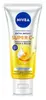 Key Ingredients
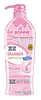
No key ingredients
Benefits
Concerns
Ingredients Side-by-side
Myrciaria Dubia Fruit Juice
Antioxidant
Malpighia Glabra Fruit Juice
Skin ConditioningSodium Ascorbyl Phosphate
Antioxidant






Glutathione

Pentylene Glycol
Skin Conditioning
Bisabolol
Antioxidant

Propylene Glycol
Humectant

Sodium Hydroxide
BufferingCitric Acid
Buffering
Carbomer
Emulsion StabilisingHydroxyethylcellulose
Emulsion StabilisingDisodium Phosphate
BufferingSodium Phosphate
BufferingTrisodium EDTA
ChelatingPhenoxyethanol
Preservative
Methylparaben
Preservative

Ethylparaben
Preservative
Sodium Benzoate
Masking
Potassium Sorbate
Preservative
Sodium Polyacrylate
Absorbent
Trideceth-9
EmulsifyingParfum
Masking


Dimethyl Phenylethyl Carbinyl Acetate
Perfuming
Terpineol
Masking
3-Methyl-5-(2,2,3-Trimethyl-3-Cyclopentenyl)Pent-4-En-2-Ol
Perfuming
Myrciaria Dubia Fruit Juice, Malpighia Glabra Fruit Juice, Sodium Ascorbyl Phosphate, Glutathione, Pentylene Glycol, Bisabolol, Propylene Glycol, Sodium Hydroxide, Citric Acid, Carbomer, Hydroxyethylcellulose, Disodium Phosphate, Sodium Phosphate, Trisodium EDTA, Phenoxyethanol, Methylparaben, Ethylparaben, Sodium Benzoate, Potassium Sorbate, Sodium Polyacrylate, Trideceth-9, Parfum, Dimethyl Phenylethyl Carbinyl Acetate, Terpineol, 3-Methyl-5-(2,2,3-Trimethyl-3-Cyclopentenyl)Pent-4-En-2-Ol
Water
Skin ConditioningParaffinum Liquidum
Emollient

Stearic Acid
Cleansing
Glycerin
Humectant
Stearyl Alcohol
Emollient
Isopropyl Myristate
Emollient
Glycol Stearate
Emollient
Ceteareth-60
CleansingTitanium Dioxide
Cosmetic Colorant
Carbomer
Emulsion StabilisingPotassium Hydroxide
BufferingLactic Acid
Buffering
Propylparaben
Preservative
Methylparaben
Preservative
Collagen
Moisturising
Hydrolyzed Yogurt Protein
Skin ConditioningHydrolyzed Milk Protein
Skin ConditioningParfum
Masking
Alternatives
Ingredients Explained
These ingredients are found in both products.
Ingredients higher up in an ingredient list are typically present in a larger amount.
Carbomer is a synthetic thickening and gelling agent. It's basically the ingredient that gives a lot of serums, gels, creams, and sunscreens their smooth, non-sticky texture.
Although legally permitted at very high levels, carbomers are normally used at concentrations below 1%.
It also needs to be neutralized to actually thicken, and because it is a large molecule, it doesn't really penetrate the skin barrier.
Allergy-wise, the risk is very low. Clinical studies show carbomers have low potential for skin irritation/sensitization even at concentrations up to 100%.
A 2024 UK study patch-tested 1,302 patients and found true allergy to the parent group of carbomer to be rare with no confirmed relevant reactions.
Learn more about CarbomerMethylparaben is a synthetic preservative and one of the most widely used in the world. It has a simple, but important job: prevent your products from going bad by stopping bacteria, yeast, and mold from growing.
Typical use levels are low, often 0.1-0.3%.
This is also one of the most heavily studied preservatives out there and major regulatory bodies have repeatedly given it the green light.
In 2023, the EU's Scientific Committee on Consumer Safety (SCCS) confirmed that this ingredient is safe up to 0.4% on its own, of up to 0.8% when mixed with other paraben esters.
Here's the science behind the noise behind parabens/hormones as well:
Methylparaben shows very weak estrogen-like activity in vitro tests (more than 1,000x weaker than your body's own estradiol). In vivo (live-organism) studies don't support a meaningful endocrine-disrupting effect either.
You get a stronger estrogenic effect from eating tofu, actually.
It's also a low sensitizer and allergic reactions are uncommon; they usually happen on damage or broken skin.
There is a caveat: France has proposed to formally re-examine its endocrine classification in 2025 so the regulatory conversation isn't fully closed as of yet.
But as it stands today, this ingredient is considered safe at permitted levels.
Learn more about MethylparabenParfum is a catch-all term for an ingredient or more that is used to give a scent to products.
Also called "fragrance", this ingredient can be a blend of hundreds of chemicals or plant oils. This means every product with "fragrance" or "parfum" in the ingredients list is a different mixture.
For instance, Habanolide is a proprietary trade name for a specific aroma chemical. When used as a fragrance ingredient in cosmetics, most aroma chemicals fall under the broad labeling category of “FRAGRANCE” or “PARFUM” according to EU and US regulations.
The term 'parfum' or 'fragrance' is not regulated in many countries. In many cases, it is up to the brand to define this term.
For instance, many brands choose to label themselves as "fragrance-free" because they are not using synthetic fragrances. However, their products may still contain ingredients such as essential oils that are considered a fragrance by INCI standards.
One example is Calendula flower extract. Calendula is an essential oil that still imparts a scent or 'fragrance'.
Depending on the blend, the ingredients in the mixture can cause allergies and sensitivities on the skin. Some ingredients that are known EU allergens include linalool and citronellol.
Parfum can also be used to mask or cover an unpleasant scent.
The bottom line is: not all fragrances/parfum/ingredients are created equally. If you are worried about fragrances, we recommend taking a closer look at an ingredient. And of course, we always recommend speaking with a professional.
Learn more about Parfum

