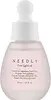
This barrier-repair oil is formulated around Niacinamide and Adenosine to strengthen the skin barrier.
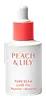
This hydrating oil is formulated around Simmondsia Chinensis Seed Oil and Squalane to hydrate skin and strengthen the skin barrier.

What's inside
What's inside
 Key Ingredients
Benefits
Concerns
Ingredients Side-by-side
Water
Skin ConditioningGlycerin
Humectant


Dipropylene Glycol
HumectantMethyl Gluceth-20
Humectant
Polyglycerin-3
Humectant
1,2-Hexanediol
Skin Conditioning
Niacinamide
Smoothing









Chlorella Vulgaris Extract
Skin ConditioningGlucose
Humectant
Butylene Glycol
Humectant
Fructooligosaccharides
Humectant
Fructose
Humectant
Polyglyceryl-10 Laurate
Skin Conditioning

Caprylyl Glycol
Emollient
Glyceryl Acrylate/Acrylic Acid Copolymer
HumectantCarbomer
Emulsion StabilisingXanthan Gum
EmulsifyingAdenosine
Skin Conditioning
Tromethamine
BufferingEclipta Prostrata Extract
Skin Conditioning
Coccinia Indica Fruit Extract
Skin Conditioning
Sodium Phytate
ChelatingEthylhexylglycerin
Skin ConditioningCamellia Sinensis Seed Oil
Humectant
Yeast Ferment Extract
Skin ConditioningCamellia Japonica Seed Oil
Emollient
Prunus Amygdalus Dulcis Oil
Skin Conditioning

Simmondsia Chinensis Seed Oil
Emollient
Candida Bombicola/Glucose/Methyl Rapeseedate Ferment
AntimicrobialMelia Azadirachta Leaf Extract
Skin ConditioningMoringa Oleifera Seed Oil
Emollient
Water, Glycerin, Dipropylene Glycol, Methyl Gluceth-20, Polyglycerin-3, 1,2-Hexanediol, Niacinamide, Chlorella Vulgaris Extract, Glucose, Butylene Glycol, Fructooligosaccharides, Fructose, Polyglyceryl-10 Laurate, Caprylyl Glycol, Glyceryl Acrylate/Acrylic Acid Copolymer, Carbomer, Xanthan Gum, Adenosine, Tromethamine, Eclipta Prostrata Extract, Coccinia Indica Fruit Extract, Sodium Phytate, Ethylhexylglycerin, Camellia Sinensis Seed Oil, Yeast Ferment Extract, Camellia Japonica Seed Oil, Prunus Amygdalus Dulcis Oil, Simmondsia Chinensis Seed Oil, Candida Bombicola/Glucose/Methyl Rapeseedate Ferment, Melia Azadirachta Leaf Extract, Moringa Oleifera Seed Oil


Reviews
Ingredients Explained
These ingredients are found in both products.
Ingredients higher up in an ingredient list are typically present in a larger amount.
This ingredient is also known as Tsubaki oil, or the fixed oil from the seeds of the Japanese camellia.
It's basically a fatty acid delivery system (~75-85% oleic acid) plus some minor extras like squalene, tocopherols, and phytosterols.
That profile makes it a classic emollient; it works by hanging out with the skin's surface lipids, softens, and slows down water loss.
The most cited study on it was done on skin cells in a dish where this oil got them to make more of the building blocks for collagen while also slowing down the enzyme that breaks collagen down. Researchers tested this on human skin too; it didn't cause irritation and helped skin hold onto moisture better.
Another study done on cells and mice found this oil quieted down some of the body's inflammation signals.
These studies are still small, early, and not done on humans, so it's best to think of this ingredient as a great supporting ingredient for the rest of your routine and not the main active.
Concentrations can range from 1-5% in serums to 100% as a single face oil (how it's most traditionally used).
Because this ingredient is a triglyceride of long-chain fatty acids, this ingredient may not be Malassezia safe.
Allergies to this protein are quite rare as the refined seed oil contains very little residual protein. Human irritation testing also came back clean. But it is a plant and as with any botanical ingredient, contact allergy is possible.
Learn more about Camellia Japonica Seed OilJojoba oil is one of the most well-studied plant-derived ingredients in cosmetics. It is an emollient with a special structure.
Because it is made up of 97-98% wax esters, it closely mirrors the linear monoesters found in human sebum. This makes it skin compatible, non-greasy, and lightweight.
Unlike other plant oils, jojoba wax doesn't easily penetrate skin. It mostly works in the uppermost layers as an emollient. This just means it forms a light barrier on the skin to help retain moisture.
Formulations with jojoba esters up to 90% reduced transepidermal water loss (TEWL) and increased barrier recovery by 81% (outperforming bisabolol at 47%).
Besides barrier support, the science also suggests jojoba to have anti-inflammatory effects and potential applications for skin infections, aging, and wound healing.
Fun fact: Indigenous cultures have used jojoba as a moisturizer and to help treat burns for centuries.
Fungal acne: The Malassezia yeast is known to metabolize fatty acids in the C11-24 range and jojoba's dominant fatty acid components fall into this range. This ingredient may not be fungal acne safe.
Learn more about Simmondsia Chinensis Seed Oil

