

What's inside
What's inside
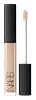 Key Ingredients
Benefits
Concerns
Ingredients Side-by-side
Water
Skin ConditioningDimethicone
Emollient

Hydrogenated Polydecene
EmollientPropanediol
Solvent

Butylene Glycol
Humectant
PEG-9 Polydimethylsiloxyethyl Dimethicone
Emulsifying
Glycerin
Humectant
Disteardimonium Hectorite
StabilisingPEG-10 Dimethicone
Skin Conditioning
Polymethyl Methacrylate

Bis-Butyldimethicone Polyglyceryl-3
Cleansing
Sorbitan Sesquiisostearate
Emulsifying

Dimethicone/Vinyl Dimethicone Crosspolymer
Skin Conditioning
Phenoxyethanol
Preservative
Isostearic Acid
Cleansing

Polysilicone-2
Aluminum Hydroxide
EmollientMaltodextrin
Absorbent
Trisodium EDTA
Lecithin
Emollient
Silica
Abrasive

Tin Oxide
Abrasive
Triethoxycaprylylsilane
Tocopheryl Acetate
Antioxidant


Sodium Metabisulfite
Antioxidant
Magnolia Officinalis Bark Extract
Antimicrobial
Tocopherol
Antioxidant

Vitis Vinifera
MaskingVitis Vinifera Seed Extract
Antimicrobial
Mica
Cosmetic ColorantCI 77891
Cosmetic ColorantCI 77491
Cosmetic ColorantCI 77492
Cosmetic ColorantCI 77499
Cosmetic ColorantCI 77163
Cosmetic Colorant
CI 42090
Cosmetic ColorantWater, Dimethicone, Hydrogenated Polydecene, Propanediol, Butylene Glycol, PEG-9 Polydimethylsiloxyethyl Dimethicone, Glycerin, Disteardimonium Hectorite, PEG-10 Dimethicone, Polymethyl Methacrylate, Bis-Butyldimethicone Polyglyceryl-3, Sorbitan Sesquiisostearate, Dimethicone/Vinyl Dimethicone Crosspolymer, Phenoxyethanol, Isostearic Acid, Polysilicone-2, Aluminum Hydroxide, Maltodextrin, Trisodium EDTA, Lecithin, Silica, Tin Oxide, Triethoxycaprylylsilane, Tocopheryl Acetate, Sodium Metabisulfite, Magnolia Officinalis Bark Extract, Tocopherol, Vitis Vinifera, Vitis Vinifera Seed Extract, Mica, CI 77891, CI 77491, CI 77492, CI 77499, CI 77163, CI 42090
Aloe Barbadensis Leaf Juice
Skin Conditioning
Tetradecane
Perfuming

Hydrogenated Polydecene
EmollientGlycerin
Humectant
Disteardimonium Hectorite
StabilisingPolyglyceryl-3 Diisostearate
Emulsifying
Decyl Isostearate
Emollient
Isostearyl Isostearate
Emollient
Isostearic Acid
Cleansing
Methyl Methacrylate Crosspolymer
Propanediol
Solvent
Sorbitan Sesquiisostearate
Emulsifying
Polyglyceryl-6 Polyricinoleate
Emulsifying
Gluconolactone
Skin Conditioning


Lauroyl Lysine
Skin Conditioning
Albizia Julibrissin Bark Extract
MaskingMagnesium Sulfate
Sodium Chloride
MaskingZinc Stearate
Cosmetic ColorantHydrogenated Lecithin
Emulsifying
Tetrahexyldecyl Ascorbate
Antioxidant
Sodium Benzoate
Masking
Dodecane
Emollient
Caprylic/Capric Triglyceride
Masking
Hexadecane
Perfuming
Pistacia Lentiscus Gum
MaskingCalcium Gluconate
HumectantEthylhexylglycerin
Skin ConditioningDarutoside
Skin ConditioningPhenethyl Alcohol
MaskingCI 77891
Cosmetic ColorantCI 77491
Cosmetic ColorantCI 77492
Cosmetic ColorantCI 77499
Cosmetic ColorantAloe Barbadensis Leaf Juice, Tetradecane, Hydrogenated Polydecene, Glycerin, Disteardimonium Hectorite, Polyglyceryl-3 Diisostearate, Decyl Isostearate, Isostearyl Isostearate, Isostearic Acid, Methyl Methacrylate Crosspolymer, Propanediol, Sorbitan Sesquiisostearate, Polyglyceryl-6 Polyricinoleate, Gluconolactone, Lauroyl Lysine, Albizia Julibrissin Bark Extract, Magnesium Sulfate, Sodium Chloride, Zinc Stearate, Hydrogenated Lecithin, Tetrahexyldecyl Ascorbate, Sodium Benzoate, Dodecane, Caprylic/Capric Triglyceride, Hexadecane, Pistacia Lentiscus Gum, Calcium Gluconate, Ethylhexylglycerin, Darutoside, Phenethyl Alcohol, CI 77891, CI 77491, CI 77492, CI 77499
Reviews
Ingredients Explained
These ingredients are found in both products.
Ingredients higher up in an ingredient list are typically present in a larger amount.
Ci 77491 is also hydrated iron III oxide. It's sole purpose is to give a red/pink hue to products.
Iron III oxides are classified as inorganic chemicals for coloring.
Synthetically created Ci 77491 is considered safer than those naturally found. This is because the synthetically created version may contain less impurities. Iron oxides are generally non-toxic and non-allergenic.
Learn more about CI 77491CI 77492 is also hydrated iron III oxide. It's sole purpose is to give a yellow hue to products.
Iron III oxides are classified as inorganic chemicals for coloring.
Synthetically created CI 77492 is considered safer than those naturally found. This is because the synthetically created version may contain less impurities. Iron oxides are generally non-toxic and non-allergenic.
Learn more about CI 77492Ci 77499 is also hydrated iron III oxide. It is created from mixing red and black iron oxides. This helps give shades of darkness to a product.
Iron III oxides are classified as inorganic chemicals for coloring.
Ci 77891 is a white pigment from Titanium dioxide. It is naturally found in minerals such as rutile and ilmenite.
It's main function is to add a white color to cosmetics. It can also be mixed with other colors to create different shades.
Ci 77891 is commonly found in sunscreens due to its ability to block UV rays.
Learn more about CI 77891Disteardimonium Hectorite comes from the clay mineral named hectorite. It is used to add thickness to a product.
It can also help stabilize a product by helping to disperse other ingredients.
Hectorite is a rare, white clay mineral.
Learn more about Disteardimonium HectoriteGlycerin (or glycerol) is a compound naturally found in your skin. It's a powerhouse humectant that pulls water into the stratum corneum.
Topically, glycerin does several things at once:
Your skin makes glycerin on its own (mostly from sebaceous oil breakdown) and shuttles it to your outermost layer of skin, or your epidermis, via aquaporin-3.
Aquaporin-3 is a transporter that is essential for normal skin hydration, elasticity, and repair. Interestingly, mice lacking in AQP3 have dry and less elastic skin that can be fully corrected with glycerin.
This ingredient is non-irritating, plays well with almost every ingredient, and works across all skin types. Typical use is anywhere between 3-10% but can go up to 79% in some leave-on products.
Just know very high concentrations (>40%) can feel tacky in low humidity.
Glycerin is the name for this ingredient in American English. British English uses Glycerol/Glycerine.
Learn more about GlycerinHydrogenated Polydecene is a synthetic emollient. It forms a non-occlusive film on the skin's surface to provide a silky feel without being greasy.
In vivo studies in volunteers with atopic and dry skin showed no irritation or intolerance. The volunteers also saw a positive effect in dryness, scaling, and roughness after 28 days of use.
Concentrations up to 100% in guinea pig tests found it to be non-sensitizing and completely safe for use in cosmetics.
Learn more about Hydrogenated PolydeceneIsostearic Acid is a fatty acid and a structural cousin of stearic acid. It is an emulsifier.
The branched structure of this ingredient enhances fluidity and gives it a lighter, less greasy feel compared to other fatty acids. It helps improve texture and consistency because it prevents oil and water phases from separating.
This ingredient is sourced from plant-based oils like soybean or rapeseed.
Clinical studies found no signs of irritation from this ingredient.
Since Isostearic Acid is an 18-carbon fatty acid, it is in the range that Malassezia can feed on. This ingredient may not be fungal acne safe.
You might have seen sources that this ingredient is comedogenic. The original comedogenic testing on rabbit ear actually tested the ester, Isopropyl Isostearate and not Isostearic acid itself. There has been no comedogenic testing done on this ingredient, but it may be worth patch testing if you have acne-prone skin.
Learn more about Isostearic AcidPropanediol is an all-star ingredient. It softens, hydrates, and smooths the skin.
It’s often used to:
Propanediol is not likely to cause sensitivity and considered safe to use. It is derived from corn or petroleum with a clear color and no scent.
Learn more about PropanediolSorbitan Sesquiisostearate isn't fungal acne safe.


