

What's inside
What's inside
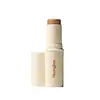 Key Ingredients
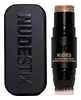
Benefits
Concerns
Ingredients Side-by-side
Polyglyceryl-2 Triisostearate
Emulsifying

Hydrogenated Polyisobutene
EmollientBis-Diglyceryl Polyacyladipate-2
Emollient
Diisostearyl Malate
EmollientCaprylic/Capric Triglyceride
Masking

Dipentaerythrityl Hexahydroxystearate/Hexastearate/Hexarosinate
Skin ConditioningHydrogenated Polydecene
EmollientPetrolatum
Emollient


Polyethylene
Abrasive

Ethylene/Propylene Copolymer
Abrasive
Synthetic Fluorphlogopite
Paraffin
Skin Conditioning
Mica
Cosmetic ColorantCI 77891
Cosmetic ColorantSynthetic Wax
Abrasive
Microcrystalline Wax
Emulsion StabilisingTocopheryl Acetate
Antioxidant


Ethylhexylglycerin
Skin ConditioningGlyceryl Caprylate
EmollientSucrose Tetrastearate Triacetate
Emollient
CI 77491
Cosmetic ColorantCaprylyl Glycol
Emollient
1,2-Hexanediol
Skin Conditioning
Silica Dimethyl Silylate
EmollientWater
Skin ConditioningPolyglyceryl-2 Triisostearate, Hydrogenated Polyisobutene, Bis-Diglyceryl Polyacyladipate-2, Diisostearyl Malate, Caprylic/Capric Triglyceride, Dipentaerythrityl Hexahydroxystearate/Hexastearate/Hexarosinate, Hydrogenated Polydecene, Petrolatum, Polyethylene, Ethylene/Propylene Copolymer, Synthetic Fluorphlogopite, Paraffin, Mica, CI 77891, Synthetic Wax, Microcrystalline Wax, Tocopheryl Acetate, Ethylhexylglycerin, Glyceryl Caprylate, Sucrose Tetrastearate Triacetate, CI 77491, Caprylyl Glycol, 1,2-Hexanediol, Silica Dimethyl Silylate, Water
Polyglyceryl-2 Triisostearate
Emulsifying
Hydrogenated Polyisobutene
EmollientMica
Cosmetic ColorantPolybutene
Ceresin
Emulsion StabilisingOctyldodecanol
Emollient
Synthetic Wax
Abrasive
Caprylic/Capric Triglyceride
Masking
C12-15 Alkyl Benzoate
AntimicrobialDipentaerythrityl Hexahydroxystearate/Hexastearate/Hexarosinate
Skin ConditioningMicrocrystalline Wax
Emulsion StabilisingParaffin
Skin Conditioning
Ethylene/Propylene Copolymer
Abrasive
Sorbitan Sesquioleate
Emulsifying
Copernicia Cerifera Wax
Euphorbia Cerifera Wax
Phenoxyethanol
Preservative
Tocopheryl Acetate
Antioxidant
Polyethylene
Abrasive
CI 77891
Cosmetic ColorantIron Oxides
Polyglyceryl-2 Triisostearate, Hydrogenated Polyisobutene, Mica, Polybutene, Ceresin, Octyldodecanol, Synthetic Wax, Caprylic/Capric Triglyceride, C12-15 Alkyl Benzoate, Dipentaerythrityl Hexahydroxystearate/Hexastearate/Hexarosinate, Microcrystalline Wax, Paraffin, Ethylene/Propylene Copolymer, Sorbitan Sesquioleate, Copernicia Cerifera Wax, Euphorbia Cerifera Wax, Phenoxyethanol, Tocopheryl Acetate, Polyethylene, CI 77891, Iron Oxides
Reviews
Ingredients Explained
These ingredients are found in both products.
Ingredients higher up in an ingredient list are typically present in a larger amount.
Caprylic/Capric Triglyceride (aka MCT Oil) is a lightweight emollient, solvent, and texture enhancer. It is considered a skin-softener by helping to prevent moisture loss.
Though it behaves like an oil, it is not technically one due to its chemical composition. One perk of this ingredient is that it is very stable, resistant to oxidation, and unlikely to go rancid.
In practice, that translates to a long shelf life and a consistently elegant skin feel.
While there is an assumption Caprylic Triglyceride can clog pores due to it being derived from coconut oil, there is no research supporting this. Just patch test if you have concerns.
Fractionated coconut oil and MCT Oil are both listed as Caprylic/Capric Triglyceride according to INCI. This is because INCI names are based on the ingredient’s final chemical composition and not its marketing name or source.
This ingredient is treated as the gold standard fungal acne safe oil. Even though it is coconut derived, the problematic lauric acid is stripped out.
This leaves just caprylic (C8) and capric (C10) acid. These chain lengths actually trend antifungal; a 2020 study found caprylic acid was enough to disrupt Malassezia furfur cell membrane, with a caprylic acid derivative damaging membrane structures at concentrations as low as 0.2%.
Learn more about Caprylic/Capric TriglycerideCi 77891 is a white pigment from Titanium dioxide. It is naturally found in minerals such as rutile and ilmenite.
It's main function is to add a white color to cosmetics. It can also be mixed with other colors to create different shades.
Ci 77891 is commonly found in sunscreens due to its ability to block UV rays.
Learn more about CI 77891This ingredient is a high molecular weight fatty acid ester. It has skin conditioning properties and is also used as an emollient, texture enhancer, and viscosity emulsifier.
Ethylene/Propylene Copolymer is an exfoliant.
Hydrogenated Polyisobutene is a synthetic polymer. Polymers are compounds with high molecular weight. Hydrogenated Polyisobutene is an emollient and texture enhancer.
In one study, Hydrogenated Polyisobutene showed better skin hydration levels than Caprylic/Capric Triglyceride. As an emollient, it helps keep your skin soft and hydrated by trapping moisture in.
Hydrogenated Polyisobutene is often used as a mineral oil replacement.
Learn more about Hydrogenated PolyisobuteneMica is a naturally occurring mineral used to add shimmer and color in cosmetics. It can also help improve the texture of a product or give it an opaque, white/silver color.
Serecite is the name for very fine but ragged grains of mica.
This ingredient is often coated with metal oxides like titanium dioxide. Trace amounts of heavy metals may be found in mica, but these metals are not harmful in our personal products.
Mica has been used since prehistoric times throughout the world. Ancient Egyptian, Indian, Greek, Roman, Aztec, and Chinese civilizations have used mica.
Learn more about MicaMicrocrystalline Wax is derived from petroleum through a de-oiling process, then highly refined and purified before use in cosmetics.
In skincare formulations, it is used to improve texture and create a smooth, even consistency. It also helps stabilize products by preventing ingredients from separating.
Paraffin is a solid wax that pulls its weight as an emollient, occlusive, and consistency-booster.
It softens skin and lays down a protective film to slow water loss and gives products a stable body and structure.
The cosmetic grade stuff is highly refined with a solid safety record. The CIR Expert Panel has repeatedly reaffirmed this ingredient to be safe in current practices of use and concentration.
The worry about carcinogenic compounds only applies to industrial grades, not the purified version used in skincare.
Despite its reputation, the highly reformed form is non-comedogenic and doesn't penetrate deeply into skin.
The good news for fungal-acne prone folks: the Malassezia yeast feeds on fatty acids and lipids and paraffin doesn't contain any of these (so there's nothing for the yeast to metabolize). This ingredient is considered fungal acne safe.
Learn more about ParaffinPolyethylene is a synthetic ingredient that helps the skin retain moisture. It is a polymer.
It is also typically used within product formulations to help bind solid ingredients together and thicken oil-based ingredients. When added to balms and emulsions, it helps increase the melting point temperature.
Polyglyceryl-2 Triisostearate is a plant-derived emulsifier and pigment-dispersing agent with a non-sticky skin feel.
It helps products glide on smoothly and prevents oil and water from separating in a formula, making it suitable for sunscreen and makeup formulations.
The EU inventory of cosmetics has no use restrictions on this ingredient and it is considered well-tolerated.
This ingredient may not be fungal acne safe because it is derived from isostearic acid.
Learn more about Polyglyceryl-2 TriisostearateSynthetic Wax is a manufactured hydrocarbon wax. In formulas, it works as an occlusive emollient that helps reduce water loss and improves the spreadability of products.
Research comparing synthetic wax to traditional mineral-derived products found that formulas containing it perform as well for skin hydration.
It is considered non-comedogenic and vegan-friendly.
This ingredient has a well-established safety record by the CIR Expert Panel for Cosmetic Ingredient Safety.
Synthetic Waxes are straight/branched-chain hydrocarbons with no ester bond or fatty acids. That means there is nothing for the Malassezia yeast to feed on.
Learn more about Synthetic WaxTocopheryl Acetate is a stable, shelf-friendly form of vitamin E.
Formulators love it because plain vitamin E oxidizes quickly once it hits air. This acetate version stays stable and resists going off, helping to extend a product's shelf life.
It's actually inactive on its own and works like a slow-release "storage" form; the enzymes in your skin called esterases gradually convert it into active vitamin E over time.
One in vivo study showed 5% of the acetate in the living layer of the epidermis converted to vitamin E after 5 days of application. This study also found the skin gained protection against UV damage even though the conversion was slow and small.
Once converted, vitamin E acts as a skin's main fat-soluble antioxidant that fights free radicals to protect skin from damage.
Topical vitamin E generally boosts the skin's photoprotection, and it reduced UV-damage in animal models.
This ingredient has some brightening potential but it's more of a prevention ingredient than spot-fader. Cell studies show it can slow down melanin production but it's worth noting that it's not the most powerful brightener out there.
Overall, it has a pretty solid safety profile and has been found to be non-irritating and non-comedogenic. Allergic reactions may happen but stay rare due to how widely the ingredient gets used.
The concentration will vary depending on the formula; industry data shows 0.1% in baby lotions, 3% in lipsticks, and 5% in foot powders. You can also find this ingredient at 100% in a pure vitamin E oil.
Most leave-on skincare keeps it at the lower end, often between 0.5-1%.
Learn more about Tocopheryl Acetate

