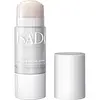
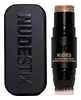
ISADORA The Wake Up The Glow All Over Dew Stick Versus Nudestix Nudies Glow All Over Face Highlighter


What's inside
What's inside
 Key Ingredients
Benefits
Concerns
Ingredients Side-by-side
Diisostearyl Malate
EmollientOctyldodecanol
Emollient
Polybutene
Synthetic Wax
Abrasive

Dimer Dilinoleyl Dimer Dilinoleate
EmollientMica
Cosmetic ColorantCopernicia Cerifera Wax


Caprylic/Capric Triglyceride
Masking


Pentaerythrityl Tetra-Di-T-Butyl Hydroxyhydrocinnamate
Antioxidant
Calcium Aluminum Borosilicate
Calcium Titanium Borosilicate
Abrasive
Alumina
Abrasive
Calcium Sodium Borosilicate
Silica
Abrasive

Synthetic Fluorphlogopite
Rubus Idaeus Leaf Extract
Skin ConditioningTin Oxide
Abrasive
Dicalcium Phosphate
Abrasive
CI 77491
Cosmetic ColorantCI 77891
Cosmetic ColorantCI 42090
Cosmetic ColorantCI 77492
Cosmetic ColorantCI 19140
Cosmetic ColorantDiisostearyl Malate, Octyldodecanol, Polybutene, Synthetic Wax, Dimer Dilinoleyl Dimer Dilinoleate, Mica, Copernicia Cerifera Wax, Caprylic/Capric Triglyceride, Pentaerythrityl Tetra-Di-T-Butyl Hydroxyhydrocinnamate, Calcium Aluminum Borosilicate, Calcium Titanium Borosilicate, Alumina, Calcium Sodium Borosilicate, Silica, Synthetic Fluorphlogopite, Rubus Idaeus Leaf Extract, Tin Oxide, Dicalcium Phosphate, CI 77491, CI 77891, CI 42090, CI 77492, CI 19140
Polyglyceryl-2 Triisostearate
Emulsifying
Hydrogenated Polyisobutene
EmollientMica
Cosmetic ColorantPolybutene
Ceresin
Emulsion StabilisingOctyldodecanol
Emollient
Synthetic Wax
Abrasive
Caprylic/Capric Triglyceride
Masking
C12-15 Alkyl Benzoate
AntimicrobialDipentaerythrityl Hexahydroxystearate/Hexastearate/Hexarosinate
Skin ConditioningMicrocrystalline Wax
Emulsion StabilisingParaffin
Skin Conditioning
Ethylene/Propylene Copolymer
Abrasive
Sorbitan Sesquioleate
Emulsifying

Copernicia Cerifera Wax
Euphorbia Cerifera Wax
Phenoxyethanol
Preservative
Tocopheryl Acetate
Antioxidant

Polyethylene
Abrasive
CI 77891
Cosmetic ColorantIron Oxides
Polyglyceryl-2 Triisostearate, Hydrogenated Polyisobutene, Mica, Polybutene, Ceresin, Octyldodecanol, Synthetic Wax, Caprylic/Capric Triglyceride, C12-15 Alkyl Benzoate, Dipentaerythrityl Hexahydroxystearate/Hexastearate/Hexarosinate, Microcrystalline Wax, Paraffin, Ethylene/Propylene Copolymer, Sorbitan Sesquioleate, Copernicia Cerifera Wax, Euphorbia Cerifera Wax, Phenoxyethanol, Tocopheryl Acetate, Polyethylene, CI 77891, Iron Oxides
Ingredients Explained
These ingredients are found in both products.
Ingredients higher up in an ingredient list are typically present in a larger amount.
Caprylic/Capric Triglyceride (aka MCT Oil) is a lightweight emollient, solvent, and texture enhancer. It is considered a skin-softener by helping to prevent moisture loss.
Though it behaves like an oil, it is not technically one due to its chemical composition. One perk of this ingredient is that it is very stable, resistant to oxidation, and unlikely to go rancid.
In practice, that translates to a long shelf life and a consistently elegant skin feel.
While there is an assumption Caprylic Triglyceride can clog pores due to it being derived from coconut oil, there is no research supporting this. Just patch test if you have concerns.
Fractionated coconut oil and MCT Oil are both listed as Caprylic/Capric Triglyceride according to INCI. This is because INCI names are based on the ingredient’s final chemical composition and not its marketing name or source.
This ingredient is treated as the gold standard fungal acne safe oil. Even though it is coconut derived, the problematic lauric acid is stripped out.
This leaves just caprylic (C8) and capric (C10) acid. These chain lengths actually trend antifungal; a 2020 study found caprylic acid was enough to disrupt Malassezia furfur cell membrane, with a caprylic acid derivative damaging membrane structures at concentrations as low as 0.2%.
Learn more about Caprylic/Capric TriglycerideCi 77891 is a white pigment from Titanium dioxide. It is naturally found in minerals such as rutile and ilmenite.
It's main function is to add a white color to cosmetics. It can also be mixed with other colors to create different shades.
Ci 77891 is commonly found in sunscreens due to its ability to block UV rays.
Learn more about CI 77891Copernicia Cerifera Wax comes from a palm tree native to Brazil; another name for this ingredient is Carnauba Wax.
This ingredient is used to thicken texture and also leaves behind a film when applied.
Fun fact: This wax has the highest melting point of all natural waxes and low solubility.
Learn more about Copernicia Cerifera WaxMica is a naturally occurring mineral used to add shimmer and color in cosmetics. It can also help improve the texture of a product or give it an opaque, white/silver color.
Serecite is the name for very fine but ragged grains of mica.
This ingredient is often coated with metal oxides like titanium dioxide. Trace amounts of heavy metals may be found in mica, but these metals are not harmful in our personal products.
Mica has been used since prehistoric times throughout the world. Ancient Egyptian, Indian, Greek, Roman, Aztec, and Chinese civilizations have used mica.
Learn more about MicaOctyldodecanol is a fatty alcohol sourced from plant oils like coconut or palm (or made synthetically).
It is:
You'll likely see this in many BHA products because this is the go-to solvent for salicylic acid.
This ingredient is typically used at levels between 2-20%.
Regarding fungal acne:
In 2019, this ingredient was tested against multiple Malassezia species (the yeast that causes fungal acne) and showed no growth.
Polybutene is used to help control the viscosity of a product. This just means it helps adjusts the texture.
It is a polymer and does not get absorbed into the skin due to its large size.
Studies found this ingredient did not irritate skin in concentrations below 15%.
Learn more about PolybuteneSynthetic Wax is a manufactured hydrocarbon wax. In formulas, it works as an occlusive emollient that helps reduce water loss and improves the spreadability of products.
Research comparing synthetic wax to traditional mineral-derived products found that formulas containing it perform as well for skin hydration.
It is considered non-comedogenic and vegan-friendly.
This ingredient has a well-established safety record by the CIR Expert Panel for Cosmetic Ingredient Safety.
Synthetic Waxes are straight/branched-chain hydrocarbons with no ester bond or fatty acids. That means there is nothing for the Malassezia yeast to feed on.
Learn more about Synthetic Wax

