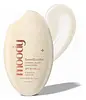
This mineral sunscreen covers the full UV range and blocks ~98% of UVB at SPF 50.
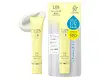
This chemical sunscreen covers most of the UV range, lighter on the deep UVA that drives aging.


What's inside
What's inside
 Key Ingredients
Benefits
Concerns
No concerns
Ingredients Side-by-side
Water
Skin ConditioningIsononyl Isononanoate
EmollientZinc Oxide
Cosmetic Colorant


Titanium Dioxide
Cosmetic Colorant
Silica
Abrasive

Dicaprylyl Carbonate
EmollientCyclopentasiloxane
Emollient
Dimethicone Crosspolymer
Emulsion Stabilising
Ceramide NP
Skin Conditioning





Ceramide AP
Skin Conditioning
Ceramide EOP
Skin Conditioning
Phytosphingosine
Skin Conditioning
Tocopheryl Acetate
Antioxidant


Propanediol
Solvent
Squalane
Emollient
C14-22 Alcohols
Emulsion Stabilising
C12-20 Alkyl Glucoside
EmulsifyingEmulsifying Wax Nf
Polyacrylate Crosspolymer-6
Emulsion StabilisingNiacinamide
Smoothing




Xanthan Gum
EmulsifyingPhenoxyethanol
Preservative
Ethylhexylglycerin
Skin ConditioningWater, Isononyl Isononanoate, Zinc Oxide, Titanium Dioxide, Silica, Dicaprylyl Carbonate, Cyclopentasiloxane, Dimethicone Crosspolymer, Ceramide NP, Ceramide AP, Ceramide EOP, Phytosphingosine, Tocopheryl Acetate, Propanediol, Squalane, C14-22 Alcohols, C12-20 Alkyl Glucoside, Emulsifying Wax Nf, Polyacrylate Crosspolymer-6, Niacinamide, Xanthan Gum, Phenoxyethanol, Ethylhexylglycerin
Water
Skin ConditioningButylene Glycol
Humectant
Cyclopentasiloxane
Emollient
Ethylhexyl Methoxycinnamate
UV Absorber
Diethylamino Hydroxybenzoyl Hexyl Benzoate
UV Filter
Dimethicone
Emollient
3-Laurylglyceryl Ascorbate
Antioxidant
3-Ethylhexylglyceryl Ascorbate
Antioxidant
Trisodium Ascorbyl Palmitate Phosphate
Antioxidant
Pinus Pinaster Bark Extract
Antioxidant
Malus Domestica Fruit Cell Culture Extract
Skin ConditioningCeramide NP
Skin Conditioning
Ceramide AP
Skin Conditioning
Ceramide Ng
Skin Conditioning
Hydrolyzed Collagen
Emollient
Soluble Collagen
Humectant
Acrylates/C10-30 Alkyl Acrylate Crosspolymer
Emulsion StabilisingDimethicone/Vinyl Dimethicone Crosspolymer
Skin Conditioning
Adenosine Phosphate
Skin ConditioningTocopherol
Antioxidant
Coptis Chinensis Rhizome Extract
Skin ConditioningXanthan Gum
EmulsifyingGlycerin
Humectant
Hydrogenated Lecithin
Emulsifying
Lecithin
Emollient
Phytosterols
Skin Conditioning
Phenoxyethanol
Preservative
Water, Butylene Glycol, Cyclopentasiloxane, Ethylhexyl Methoxycinnamate, Diethylamino Hydroxybenzoyl Hexyl Benzoate, Dimethicone, 3-Laurylglyceryl Ascorbate, 3-Ethylhexylglyceryl Ascorbate, Trisodium Ascorbyl Palmitate Phosphate, Pinus Pinaster Bark Extract, Malus Domestica Fruit Cell Culture Extract, Ceramide NP, Ceramide AP, Ceramide Ng, Hydrolyzed Collagen, Soluble Collagen, Acrylates/C10-30 Alkyl Acrylate Crosspolymer, Dimethicone/Vinyl Dimethicone Crosspolymer, Adenosine Phosphate, Tocopherol, Coptis Chinensis Rhizome Extract, Xanthan Gum, Glycerin, Hydrogenated Lecithin, Lecithin, Phytosterols, Phenoxyethanol
Reviews
Ingredients Explained
These ingredients are found in both products.
Ingredients higher up in an ingredient list are typically present in a larger amount.
Ceramide AP is is a skin-identical lipid that mimics what your skin already makes naturally. Ceramides help maintain epidermal integrity and barrier function.
You'll often see this ingredient paired with other ceramides (like ceramide NP), cholesterol, or fatty acids because this combination best mimics the natural lipid mix your skin already has.
The skin's ability to produce ceramides gets disrupted in skin conditions like eczema. This in turn weakens the skin barrier and applying ceramides topically has been shown to replenish what's been lost to restore barrier function.
Most of the studies with Ceramide AP test it as part of a multi-ceramide complex; studies reinforce ceramide AP's role in rebalancing ceramides in skin and improving skin hydration.
Learn more about Ceramide APCeramide NP (formerly known as Ceramide 3) is one of the skin's naturally occurring lipids.
Since ceramides are the major lipid components of the skin, they are crucial for maintaining skin barrier and hydration. Ceramide NP most closely mirrors the dominant kind in human skin amongst ceramide subtypes.
This ceramide works by slotting into gaps within the stratum corneum's lipid matrix to limit trans-epidermal water loss (TEWL) and shield the skin against external irritants.
A study with 312 patients found that using a ceramide-containing routine for 4 weeks reduced the severity of atopic dermatitis by over 61%.
Another clinical study in subjects aged 60 and older found that a ceramide body wash and moisturizer improved skin dryness and itchy skin in 15 days.
Overall, ceramides are considered non-irritating and safety tests have found little to no observable adverse effects from using this ingredient.
Ceramide NP is usually sourced from plants (like soybean or rice bran), or produced synthetically.
Learn more about Ceramide NPCyclopentasiloxane (D5) is a lightweight silicone that mostly acts as an emollient and solvent in cosmetics. Its the reason your products feel silky, fast-spreading, and non-greasy.
Since D5 is volatile, it does its thing and then evaporates off the skin quickly.
The safety profile of this ingredient is reassuring; the US CIR Expert Panel concluded D5 is safe as used in cosmetics and Health Canada concluded that D5 is not harmful to human health or the environment as currently used in cosmetics
There's a study that people mention about D5 in a rat study showing tumors. This study is related to long-term inhalation of high D5 levels.
Regulatory bodies have judged this study to be not applicable in topical skincare since skin absorption of D5 is very low and we're not really inhaling huge amounts of D5.
The only restriction for this ingredient is environmental. The European Chemicals Agency (ECHA) restricted D5 in wash-off cosmetics at or above 0.1% due to their persistence in water.
Learn more about CyclopentasiloxanePhenoxyethanol is one of the most widely used preservatives in skincare (and for good reason!).
It has a large spectrum of antimicrobial activity and especially effective bacteria, yeast, and mold while only having a weak effect on your skin's natural microbiome.
On a cellular level, it disrupts the cell membranes of microbes by poking holes that make the cell leak. This shuts down the chemical reactions the microbe needs to make energy so it can no longer survive.
Another perk of this ingredient is that it stays functional across a wide pH range (3-10).
You'll often see it paired with boosters like Ethylhexylglycerin; one study showed that a 1:9 ratio of Ethylhexylglycerin to Phenoxyethanol damages bacterial membranes as effectively as doubling the Phenoxyethanol concentration on its own.
Typical use concentrations range from 0.3-1% depending on the formula, and this ingredient is capped at 1% int the EU.
Safety-wise, the fear mongering does not hold up to the evidence. The EU's Scientific Committee on Consumer Safety and FDA consider it safe as a preservative at up to 1%, including for children of all ages.
Adverse systemic effects only showed up in animal studies at exposures roughly 200x higher than what people get from cosmetics. And despite its very widespread use, this ingredient is a rare sensitizer and allergic reactions are uncommon.
Learn more about PhenoxyethanolWater. It's the most common cosmetic ingredient of all. You'll usually see it at the top of ingredient lists, meaning that it makes up the largest part of the product.
So why is it so popular? Water most often acts as a solvent - this means that it helps dissolve other ingredients into the formulation.
You'll also recognize water as that liquid we all need to stay alive. If you see this, drink a glass of water. Remember to stay hydrated!
Learn more about WaterXanthan gum is used as a stabilizer and thickener within cosmetic products. It helps give products a sticky, thick feeling - preventing them from being too runny.
On the technical side of things, xanthan gum is a polysaccharide - a combination consisting of multiple sugar molecules bonded together.
Xanthan gum is a pretty common and great ingredient. It is a natural, non-toxic, non-irritating ingredient that is also commonly used in food products.
Learn more about Xanthan Gum

