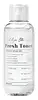
This acne toner is formulated around Niacinamide and Salicylic Acid to clear breakouts and balance excess oil.
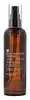
This barrier-repair toner is formulated around Snail Secretion Filtrate and Panthenol to strengthen the skin barrier and calm redness.

What's inside
What's inside
 Key Ingredients
Benefits
Concerns
No concerns
Ingredients Side-by-side
Water
Skin ConditioningGlycerin
Humectant


Dipropylene Glycol
HumectantNiacinamide
Smoothing









1,2-Hexanediol
Skin Conditioning
Hydroxyacetophenone
Antioxidant
Hydroxyethyl Urea
Humectant
Salix Alba Bark Extract
Astringent
Dipotassium Glycyrrhizate
Humectant
Salicylic Acid
Masking





Butylene Glycol
Humectant
Panthenol
Skin Conditioning
Melaleuca Alternifolia Leaf Water
Antimicrobial
Hydrogenated Lecithin
Emulsifying
Glucose
Humectant
Cetearyl Olivate

Sorbitan Olivate
Emulsifying
Oligopeptide-19
Skin Conditioning
Melaleuca Alternifolia Leaf Extract
Perfuming
Copper Tripeptide-1
Skin Conditioning
Glycine
Buffering
Glutamic Acid
Humectant
Serine
Masking
Alanine
Masking
Arginine
Masking
Hexapeptide-61 Dimer
Skin Conditioning
Solanum Melongena Fruit Extract
Skin ConditioningLupeol
Skin ConditioningWater, Glycerin, Dipropylene Glycol, Niacinamide, 1,2-Hexanediol, Hydroxyacetophenone, Hydroxyethyl Urea, Salix Alba Bark Extract, Dipotassium Glycyrrhizate, Salicylic Acid, Butylene Glycol, Panthenol, Melaleuca Alternifolia Leaf Water, Hydrogenated Lecithin, Glucose, Cetearyl Olivate, Sorbitan Olivate, Oligopeptide-19, Melaleuca Alternifolia Leaf Extract, Copper Tripeptide-1, Glycine, Glutamic Acid, Serine, Alanine, Arginine, Hexapeptide-61 Dimer, Solanum Melongena Fruit Extract, Lupeol
Water
Skin ConditioningPropanediol
Solvent
Methyl Gluceth-20
Humectant
Glycerin
Humectant
Glycereth-26
Humectant
Snail Secretion Filtrate
Skin Conditioning
C12-14 Pareth-12
Emulsifying1,2-Hexanediol
Skin Conditioning
Trehalose
Humectant
Carbomer
Emulsion StabilisingTromethamine
BufferingPanthenol
Skin Conditioning
Ethylhexylglycerin
Skin ConditioningAdenosine
Skin Conditioning
Butylene Glycol
Humectant
Polyquaternium-51
Skin Conditioning
Cellulose Gum
Emulsion StabilisingCentella Asiatica Extract
Cleansing
Houttuynia Cordata Extract
Skin Conditioning
Salvia Hispanica Seed Extract
Emollient
Origanum Vulgare Leaf Extract
Skin ConditioningChamaecyparis Obtusa Leaf Extract
Skin ConditioningSalix Alba Bark Extract
Astringent
Lactobacillus/Soybean Ferment Extract
Skin ConditioningPortulaca Oleracea Extract
Skin Conditioning
Cinnamomum Cassia Bark
Skin ConditioningScutellaria Baicalensis Root Extract
Astringent
Phenoxyethanol
Preservative
Water, Propanediol, Methyl Gluceth-20, Glycerin, Glycereth-26, Snail Secretion Filtrate, C12-14 Pareth-12, 1,2-Hexanediol, Trehalose, Carbomer, Tromethamine, Panthenol, Ethylhexylglycerin, Adenosine, Butylene Glycol, Polyquaternium-51, Cellulose Gum, Centella Asiatica Extract, Houttuynia Cordata Extract, Salvia Hispanica Seed Extract, Origanum Vulgare Leaf Extract, Chamaecyparis Obtusa Leaf Extract, Salix Alba Bark Extract, Lactobacillus/Soybean Ferment Extract, Portulaca Oleracea Extract, Cinnamomum Cassia Bark, Scutellaria Baicalensis Root Extract, Phenoxyethanol
Ingredients Explained
These ingredients are found in both products.
Ingredients higher up in an ingredient list are typically present in a larger amount.
1,2-Hexanediol is a synthetic liquid and another multi-functional powerhouse.
It is a:
- Humectant, drawing moisture into the skin
- Emollient, helping to soften skin
- Solvent, dispersing and stabilizing formulas
- Preservative booster, enhancing the antimicrobial activity of other preservatives
Butylene Glycol (or BG) is used within cosmetic products for a few different reasons:
Overall, Butylene Glycol is a safe and well-rounded ingredient that works well with other ingredients.
Though this ingredient works well with most skin types, some people with sensitive skin may experience a reaction such as allergic rashes, closed comedones, or itchiness.
Learn more about Butylene GlycolGlycerin (or glycerol) is a compound naturally found in your skin. It's a powerhouse humectant that pulls water into the stratum corneum.
Topically, glycerin does several things at once:
Your skin makes glycerin on its own (mostly from sebaceous oil breakdown) and shuttles it to your outermost layer of skin, or your epidermis, via aquaporin-3.
Aquaporin-3 is a transporter that is essential for normal skin hydration, elasticity, and repair. Interestingly, mice lacking in AQP3 have dry and less elastic skin that can be fully corrected with glycerin.
This ingredient is non-irritating, plays well with almost every ingredient, and works across all skin types. Typical use is anywhere between 3-10% but can go up to 79% in some leave-on products.
Just know very high concentrations (>40%) can feel tacky in low humidity.
Glycerin is the name for this ingredient in American English. British English uses Glycerol/Glycerine.
Learn more about GlycerinPanthenol is a common ingredient that helps hydrate and soothe the skin. It is found naturally in our skin and hair.
There are two forms of panthenol: D and L.
D-panthenol is also known as dexpanthenol. Most cosmetics use dexpanthenol or a mixture of D and L-panthenol.
Panthenol is famous due to its ability to go deeper into the skin's layers. Using this ingredient has numerous pros (and no cons):
Like hyaluronic acid, panthenol is a humectant. Humectants are able to bind and hold large amounts of water to keep skin hydrated.
This ingredient works well for wound healing. It works by increasing tissue in the wound and helps close open wounds.
Once oxidized, panthenol converts to pantothenic acid. Panthothenic acid is found in all living cells.
This ingredient is also referred to as pro-vitamin B5.
Learn more about PanthenolSalix Alba Bark Extract comes from the bark of the white willow tree. The official CosIng listing states this ingredient to have astringent, skin conditioning, soothing, and tonic properties.
Its star compound is salicin, a natural glucoside that is chemically related to salicylic acid. That's why you'll often see it marketed as a "natural BHA alternative" but that's a bit of a stretch.
Your skin can't convert salicin to salicylic acid because it needs specific enzymes that aren't present on the skin's surface. It won't behave like true salicylic acid, especially at the concentrations used in cosmetics.
However, this ingredient has its own perks. It contains flavonoids, polyphenols, and tannins that give it proven antioxidant and soothing properties.
An 8-week clinical study found a cream with 2% of this extract improved skin microcirculation, elasticity, and dark circles. This is most likely due to its role in increasing hyaluronic acid synthesis in fibroblasts and improved vascular integrity.
Another study found a topical serum with 0.5% salicin showed improvements in visible signs of aging, hyperpigmentation, and texture.
Just be careful if you have a known aspirin/salicylate allergy and be sure to consult with a medical professional about using this ingredient if you do.
Fun fact: Willow Bark extract has been used for thousands of years and ancient civilizations used white willow to help treat pain and fevers.
Learn more about Salix Alba Bark ExtractWater. It's the most common cosmetic ingredient of all. You'll usually see it at the top of ingredient lists, meaning that it makes up the largest part of the product.
So why is it so popular? Water most often acts as a solvent - this means that it helps dissolve other ingredients into the formulation.
You'll also recognize water as that liquid we all need to stay alive. If you see this, drink a glass of water. Remember to stay hydrated!
Learn more about Water


