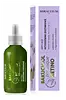
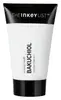
Miraculum Bakuchiol Anti-Age Intensive Nutrition Face Serum Versus The INKEY List Bakuchiol Moisturizer
This anti-aging serum is formulated around Bakuchiol and Sodium Ascorbyl Phosphate to soften the look of wrinkles and refine skin texture.


What's inside
What's inside
 Key Ingredients
Benefits
Concerns
Ingredients Side-by-side
Water
Skin ConditioningPropanediol
Solvent

Polysorbate 20
Emulsifying

Trehalose
Humectant
Glycerin
Humectant
Phenoxyethanol
Preservative
Hydroxyethylcellulose
Emulsion StabilisingHydrolyzed Caesalpinia Spinosa Gum
AbsorbentSorbitol
Humectant
Sodium Hyaluronate
Humectant

Caesalpinia Spinosa Gum
Skin ConditioningBakuchiol
Antimicrobial






Ethylhexylglycerin
Skin ConditioningSodium Acetylated Hyaluronate
Humectant
Sodium Ascorbyl Phosphate
Antioxidant

Sodium Hyaluronate Crosspolymer
Humectant
Hydrolyzed Sodium Hyaluronate
Skin Conditioning
Xanthan Gum
EmulsifyingPotassium Sorbate
Preservative
Pentylene Glycol
Skin Conditioning
Lecithin
Emollient
Caprylyl Glycol
Emollient
Disodium EDTA
ChelatingGlyceryl Caprylate
EmollientLactic Acid
Buffering


Parfum
Masking

CI 42090
Cosmetic ColorantWater, Propanediol, Polysorbate 20, Trehalose, Glycerin, Phenoxyethanol, Hydroxyethylcellulose, Hydrolyzed Caesalpinia Spinosa Gum, Sorbitol, Sodium Hyaluronate, Caesalpinia Spinosa Gum, Bakuchiol, Ethylhexylglycerin, Sodium Acetylated Hyaluronate, Sodium Ascorbyl Phosphate, Sodium Hyaluronate Crosspolymer, Hydrolyzed Sodium Hyaluronate, Xanthan Gum, Potassium Sorbate, Pentylene Glycol, Lecithin, Caprylyl Glycol, Disodium EDTA, Glyceryl Caprylate, Lactic Acid, Parfum, CI 42090
Water
Skin ConditioningSqualane
Emollient
Glycerin
Humectant
Propanediol
Solvent
Plukenetia Volubilis Seed Oil
Emollient
Dicaprylyl Carbonate
EmollientBakuchiol
Antimicrobial
Phenoxyethanol
Preservative
Sodium Caproyl Prolinate
HumectantHydroxyethyl Acrylate/Sodium Acryloyldimethyl Taurate Copolymer
Emulsion StabilisingCarbomer
Emulsion StabilisingSodium Hydroxide
BufferingEthylhexylglycerin
Skin ConditioningSodium Stearoyl Glutamate
CleansingPolysorbate 60
Emulsifying
Phytic Acid
Chelating
Glyceryl Polyacrylate
Sorbitan Isostearate
Emulsifying
Tocopherol
Antioxidant
Water, Squalane, Glycerin, Propanediol, Plukenetia Volubilis Seed Oil, Dicaprylyl Carbonate, Bakuchiol, Phenoxyethanol, Sodium Caproyl Prolinate, Hydroxyethyl Acrylate/Sodium Acryloyldimethyl Taurate Copolymer, Carbomer, Sodium Hydroxide, Ethylhexylglycerin, Sodium Stearoyl Glutamate, Polysorbate 60, Phytic Acid, Glyceryl Polyacrylate, Sorbitan Isostearate, Tocopherol
Reviews
Ingredients Explained
These ingredients are found in both products.
Ingredients higher up in an ingredient list are typically present in a larger amount.
Bakuchiol is a plant-derived antioxidant from the seeds of the Psoralea corylifolia plant. It has antimicrobial, emollient, skin conditioning, and antioxidant properties.
You'll likely see it called a "retinol replacement" but the two are technically not related. This is because bakuchiol is able to flip many of the same switches in your skin cells to tell them to:
1) produce more collagen (type I, III, and IV)
2) activate the same genes retinoids do
Unlike retinoids, this ingredient will not increase photosensitivity and is safe to use during pregnancy (but please still check in with your doctor!).
The flagship clinical trial from Dhaliwal et al. 2019 found 0.5% bakuchiol (twice daily) and 0.5% retinol (once daily) reduced wrinkles and hyperpigmentation equally, but bakuchiol had significantly less irritation.
Systematic reviews also back this up:
Bakuchiol is comparable to retinol for photoaging but with better tolerability. It also has mild antibacterial properties against Cutibacterium acnes and antifungal activity in vitro against Candida and dermatophytes.
The reason bakuchiol works well is due to its structure; it is a meroterpene phenol, or a hybrid molecule. The phenol half acts as an antioxidant while the terpene half is fat-loving. This helps the molecule slip through the skin barrier.
This ingredient is usually used between 0.5-2%. Only one case of contact dermatitis has ever been reported for this ingredient.
Learn more about BakuchiolEthylhexylglycerin is created from glycerin. It is a multitasker ingredient that:
The CIR Expert Panel found minimal skin absorption or sensitization of any kind in a safety assessment. Though this ingredient is considered well-tolerated, a small number of cases of allergic dermatitis have been published since 2002. Just be sure to patch test if you are unsure.
Industry-reported use ranges from 8% in rinse-off products and 2% in leave-on formulations.
Learn more about EthylhexylglycerinGlycerin (or glycerol) is a compound naturally found in your skin. It's a powerhouse humectant that pulls water into the stratum corneum.
Topically, glycerin does several things at once:
Your skin makes glycerin on its own (mostly from sebaceous oil breakdown) and shuttles it to your outermost layer of skin, or your epidermis, via aquaporin-3.
Aquaporin-3 is a transporter that is essential for normal skin hydration, elasticity, and repair. Interestingly, mice lacking in AQP3 have dry and less elastic skin that can be fully corrected with glycerin.
This ingredient is non-irritating, plays well with almost every ingredient, and works across all skin types. Typical use is anywhere between 3-10% but can go up to 79% in some leave-on products.
Just know very high concentrations (>40%) can feel tacky in low humidity.
Glycerin is the name for this ingredient in American English. British English uses Glycerol/Glycerine.
Learn more about GlycerinPhenoxyethanol is one of the most widely used preservatives in skincare (and for good reason!).
It has a large spectrum of antimicrobial activity and especially effective bacteria, yeast, and mold while only having a weak effect on your skin's natural microbiome.
On a cellular level, it disrupts the cell membranes of microbes by poking holes that make the cell leak. This shuts down the chemical reactions the microbe needs to make energy so it can no longer survive.
Another perk of this ingredient is that it stays functional across a wide pH range (3-10).
You'll often see it paired with boosters like Ethylhexylglycerin; one study showed that a 1:9 ratio of Ethylhexylglycerin to Phenoxyethanol damages bacterial membranes as effectively as doubling the Phenoxyethanol concentration on its own.
Typical use concentrations range from 0.3-1% depending on the formula, and this ingredient is capped at 1% int the EU.
Safety-wise, the fear mongering does not hold up to the evidence. The EU's Scientific Committee on Consumer Safety and FDA consider it safe as a preservative at up to 1%, including for children of all ages.
Adverse systemic effects only showed up in animal studies at exposures roughly 200x higher than what people get from cosmetics. And despite its very widespread use, this ingredient is a rare sensitizer and allergic reactions are uncommon.
Learn more about PhenoxyethanolPropanediol is an all-star ingredient. It softens, hydrates, and smooths the skin.
It’s often used to:
Propanediol is not likely to cause sensitivity and considered safe to use. It is derived from corn or petroleum with a clear color and no scent.
Learn more about PropanediolWater. It's the most common cosmetic ingredient of all. You'll usually see it at the top of ingredient lists, meaning that it makes up the largest part of the product.
So why is it so popular? Water most often acts as a solvent - this means that it helps dissolve other ingredients into the formulation.
You'll also recognize water as that liquid we all need to stay alive. If you see this, drink a glass of water. Remember to stay hydrated!
Learn more about Water

