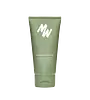
This barrier-repair moisturizer is formulated around Niacinamide and Panthenol to strengthen the skin barrier and hydrate skin.
This barrier-repair moisturizer is formulated around Glycerin and Propanediol to strengthen the skin barrier and hydrate skin.

What's inside
What's inside
 Key Ingredients
Benefits
Concerns
Ingredients Side-by-side
Water
Skin ConditioningGlycerin
Humectant


Propanediol
Solvent
Dicaprylyl Carbonate
EmollientShea Butter Ethyl Esters
Emollient

2-Hydroxyethyl Acrylate
Sodium Acrylate/Sodium Acryloyldimethyl Taurate Copolymer
Emulsion StabilisingBetaine
Humectant
Niacinamide
Smoothing








Inositol
Humectant
Panthenol
Skin Conditioning
Allantoin
Skin Conditioning
Sodium PCA
Humectant
Tocopheryl Acetate
Antioxidant

Acacia Senegal Gum
MaskingXanthan Gum
EmulsifyingEthylhexylglycerin
Skin ConditioningCalcium PCA
Humectant
Biosaccharide Gum-1
Humectant
Magnesium Aspartate
Skin ConditioningPhenoxyethanol
Preservative
Parfum
Masking



Zinc Gluconate
Skin Conditioning
Copper Gluconate
Skin Conditioning
Water, Glycerin, Propanediol, Dicaprylyl Carbonate, Shea Butter Ethyl Esters, 2-Hydroxyethyl Acrylate, Sodium Acrylate/Sodium Acryloyldimethyl Taurate Copolymer, Betaine, Niacinamide, Inositol, Panthenol, Allantoin, Sodium PCA, Tocopheryl Acetate, Acacia Senegal Gum, Xanthan Gum, Ethylhexylglycerin, Calcium PCA, Biosaccharide Gum-1, Magnesium Aspartate, Phenoxyethanol, Parfum, Zinc Gluconate, Copper Gluconate
Water
Skin ConditioningDicaprylyl Carbonate
EmollientGlycerin
Humectant
Propanediol
Solvent
Hydroxyethyl Acrylate/Sodium Acryloyldimethyl Taurate Copolymer
Emulsion StabilisingShea Butter Ethyl Esters
Emollient
Camellia Sinensis Leaf Water
Masking
Betaine
Humectant
Phenoxyethanol
Preservative
Brassica Campestris Seed Oil
Skin Conditioning
Simmondsia Chinensis Seed Oil
Emollient
Parfum
Masking
Allantoin
Skin Conditioning
Opuntia Ficus-Indica Flower Extract
Skin ConditioningCamelina Sativa Seed Oil
Skin Conditioning
Benzyl Alcohol
Perfuming

Tocopheryl Acetate
Antioxidant
Alpha-Glucan Oligosaccharide
Cleansing
Ethylhexylglycerin
Skin ConditioningBiosaccharide Gum-1
Humectant
Collagen
Moisturising
Saccharide Isomerate
Humectant
Citric Acid
Buffering
Sodium Citrate
BufferingLeuconostoc/Radish Root Ferment Filtrate
Antimicrobial
Dehydroacetic Acid
Preservative
Water, Dicaprylyl Carbonate, Glycerin, Propanediol, Hydroxyethyl Acrylate/Sodium Acryloyldimethyl Taurate Copolymer, Shea Butter Ethyl Esters, Camellia Sinensis Leaf Water, Betaine, Phenoxyethanol, Brassica Campestris Seed Oil, Simmondsia Chinensis Seed Oil, Parfum, Allantoin, Opuntia Ficus-Indica Flower Extract, Camelina Sativa Seed Oil, Benzyl Alcohol, Tocopheryl Acetate, Alpha-Glucan Oligosaccharide, Ethylhexylglycerin, Biosaccharide Gum-1, Collagen, Saccharide Isomerate, Citric Acid, Sodium Citrate, Leuconostoc/Radish Root Ferment Filtrate, Dehydroacetic Acid
Ingredients Explained
These ingredients are found in both products.
Ingredients higher up in an ingredient list are typically present in a larger amount.
Allantoin is a soothing ingredient known for its protective and moisturizing properties; it's basically a quiet workhorse ingredient you can find in a huge range of cosmetics.
Though it can be derived from the comfrey plant, allantoin is produced synthetically for cosmetic products to ensure purity.
Research shows it can encourage your skin cells to turn over and renew by stimulating keratinocyte and fibroblast proliferation.
It also has mild keratolytic properties to help loosen and shed dead skin cells without being harsh.
Studies also suggest allantoin can help calm inflammation by dialing down some of the chemical signals your skin sends out when it is irritated.
This ingredient is typically used in the 0.1-0.5% range, and the FDA recognizes it as a skin protectant in OTC products up to 2%.
Overall, allantoin is a wonderful addition to most routines; it is stable across a wide pH range (~4-8), works well with other ingredients, and is considered non-sensitizing/non-irritating.
Fun fact: Allantoin is naturally occurring in comfrey root, beets, chamomile, and wheat sprouts. Our bodies even produce it as a byproduct of uric acid metabolism.
Learn more about AllantoinBetaine is a humectant. Like hyaluronic acid, it helps attract and retain moisture in the skin. It’s known for being gentle and for helping the skin maintain balanced hydration.
Betaine is mainly used to improve hydration and support calmer skin. It helps skin cells regulate water balance because it functions as an osmolyte.
Some studies suggest betaine may support making skin tone more even.
Fun fact: Betaine naturally exists in the skin and the body. In cosmetic products, it can be either plant-derived (most commonly from sugar beets) or synthetically produced for consistency and stability.
Betaine is also known as trimethylglycine.
Learn more about BetaineBiosaccharide Gum-1 is a sugar created by fermenting sorbitol (which usually comes from potato starch!). It is known for its soothing and moisturizing properties.
Manufacturer tests show this ingredient helped reduce irritation from lactic acid by almost half and kept skin hydrated long-term as a humectant
Beyond hydration, Biosaccharide Gum-1 gives formulas a silky, non-sticky feel.
This ingredient is gentle, versatile, and suitable for all skin types.
Fun fact: Similar sugars can be found naturally in fruits like apples and pears.
Learn more about Biosaccharide Gum-1Dicaprylyl Carbonate comes from carbonic acid and caprylyl alcohol, a fatty alcohol. It is an emollient and gives skin a velvet feel. The sources of Dicaprylyl Carbonate may be synthetic or from animals.
As an emollient, Dicaprylyl Carbonate creates a film on the skin. This film traps moisture in, keeping your skin soft and hydrated.
Ethylhexylglycerin is created from glycerin. It is a multitasker ingredient that:
The CIR Expert Panel found minimal skin absorption or sensitization of any kind in a safety assessment. Though this ingredient is considered well-tolerated, a small number of cases of allergic dermatitis have been published since 2002. Just be sure to patch test if you are unsure.
Industry-reported use ranges from 8% in rinse-off products and 2% in leave-on formulations.
Learn more about EthylhexylglycerinGlycerin (or glycerol) is a compound naturally found in your skin. It's a powerhouse humectant that pulls water into the stratum corneum.
Topically, glycerin does several things at once:
Your skin makes glycerin on its own (mostly from sebaceous oil breakdown) and shuttles it to your outermost layer of skin, or your epidermis, via aquaporin-3.
Aquaporin-3 is a transporter that is essential for normal skin hydration, elasticity, and repair. Interestingly, mice lacking in AQP3 have dry and less elastic skin that can be fully corrected with glycerin.
This ingredient is non-irritating, plays well with almost every ingredient, and works across all skin types. Typical use is anywhere between 3-10% but can go up to 79% in some leave-on products.
Just know very high concentrations (>40%) can feel tacky in low humidity.
Glycerin is the name for this ingredient in American English. British English uses Glycerol/Glycerine.
Learn more about GlycerinParfum is a catch-all term for an ingredient or more that is used to give a scent to products.
Also called "fragrance", this ingredient can be a blend of hundreds of chemicals or plant oils. This means every product with "fragrance" or "parfum" in the ingredients list is a different mixture.
For instance, Habanolide is a proprietary trade name for a specific aroma chemical. When used as a fragrance ingredient in cosmetics, most aroma chemicals fall under the broad labeling category of “FRAGRANCE” or “PARFUM” according to EU and US regulations.
The term 'parfum' or 'fragrance' is not regulated in many countries. In many cases, it is up to the brand to define this term.
For instance, many brands choose to label themselves as "fragrance-free" because they are not using synthetic fragrances. However, their products may still contain ingredients such as essential oils that are considered a fragrance by INCI standards.
One example is Calendula flower extract. Calendula is an essential oil that still imparts a scent or 'fragrance'.
Depending on the blend, the ingredients in the mixture can cause allergies and sensitivities on the skin. Some ingredients that are known EU allergens include linalool and citronellol.
Parfum can also be used to mask or cover an unpleasant scent.
The bottom line is: not all fragrances/parfum/ingredients are created equally. If you are worried about fragrances, we recommend taking a closer look at an ingredient. And of course, we always recommend speaking with a professional.
Learn more about ParfumPhenoxyethanol is one of the most widely used preservatives in skincare (and for good reason!).
It has a large spectrum of antimicrobial activity and especially effective bacteria, yeast, and mold while only having a weak effect on your skin's natural microbiome.
On a cellular level, it disrupts the cell membranes of microbes by poking holes that make the cell leak. This shuts down the chemical reactions the microbe needs to make energy so it can no longer survive.
Another perk of this ingredient is that it stays functional across a wide pH range (3-10).
You'll often see it paired with boosters like Ethylhexylglycerin; one study showed that a 1:9 ratio of Ethylhexylglycerin to Phenoxyethanol damages bacterial membranes as effectively as doubling the Phenoxyethanol concentration on its own.
Typical use concentrations range from 0.3-1% depending on the formula, and this ingredient is capped at 1% int the EU.
Safety-wise, the fear mongering does not hold up to the evidence. The EU's Scientific Committee on Consumer Safety and FDA consider it safe as a preservative at up to 1%, including for children of all ages.
Adverse systemic effects only showed up in animal studies at exposures roughly 200x higher than what people get from cosmetics. And despite its very widespread use, this ingredient is a rare sensitizer and allergic reactions are uncommon.
Learn more about PhenoxyethanolPropanediol is an all-star ingredient. It softens, hydrates, and smooths the skin.
It’s often used to:
Propanediol is not likely to cause sensitivity and considered safe to use. It is derived from corn or petroleum with a clear color and no scent.
Learn more about PropanediolShea Butter Ethyl Esters is basically an "eco-designed" emollient ester derived from shea butter.
You can think of it like shea butter's lighter, more elegant sibling. The creating of this ingredient preserves shea butter's beneficial fatty acid profile while dramatically improving spreadability/skin feel.
This makes it a great choice for spray formulations, serums, and lightweight moisturizers where traditional shea butter would be too heavy.
It's rapidly absorbed on skin and provides an instant moisturizing effect and velvety after-feel.
These conditioning benefits trace back to shea's well-studied bioactive profile; shea is rich in antioxidants like tocopherols and contains stearic and oleic acids that support skin barrier health.
It also contains triterpene alcohols known to reduce inflammation, cinnamic acid esters with some UV-absorbing capacity, and lupeol that protects skin proteins.
Research backs up those triterpenes: a study isolating triterpene acetates and cinnamates from shea fat found all tested compounds showed anti-inflammatory activity in mice.
Fungal acne: Because this is an ethyl ester derived from shea's long-chain fatty acids (primarily stearic C18 and oleic C18), in vitro testing has shown the Malassezia species can grow in the presence of ethyl esters. This ingredient may not be fungal acne safe.
Learn more about Shea Butter Ethyl EstersTocopheryl Acetate is a stable, shelf-friendly form of vitamin E.
Formulators love it because plain vitamin E oxidizes quickly once it hits air. This acetate version stays stable and resists going off, helping to extend a product's shelf life.
It's actually inactive on its own and works like a slow-release "storage" form; the enzymes in your skin called esterases gradually convert it into active vitamin E over time.
One in vivo study showed 5% of the acetate in the living layer of the epidermis converted to vitamin E after 5 days of application. This study also found the skin gained protection against UV damage even though the conversion was slow and small.
Once converted, vitamin E acts as a skin's main fat-soluble antioxidant that fights free radicals to protect skin from damage.
Topical vitamin E generally boosts the skin's photoprotection, and it reduced UV-damage in animal models.
This ingredient has some brightening potential but it's more of a prevention ingredient than spot-fader. Cell studies show it can slow down melanin production but it's worth noting that it's not the most powerful brightener out there.
Overall, it has a pretty solid safety profile and has been found to be non-irritating and non-comedogenic. Allergic reactions may happen but stay rare due to how widely the ingredient gets used.
The concentration will vary depending on the formula; industry data shows 0.1% in baby lotions, 3% in lipsticks, and 5% in foot powders. You can also find this ingredient at 100% in a pure vitamin E oil.
Most leave-on skincare keeps it at the lower end, often between 0.5-1%.
Learn more about Tocopheryl AcetateWater. It's the most common cosmetic ingredient of all. You'll usually see it at the top of ingredient lists, meaning that it makes up the largest part of the product.
So why is it so popular? Water most often acts as a solvent - this means that it helps dissolve other ingredients into the formulation.
You'll also recognize water as that liquid we all need to stay alive. If you see this, drink a glass of water. Remember to stay hydrated!
Learn more about Water

