
What's inside
What's inside
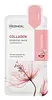 Key Ingredients
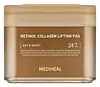
Benefits
Concerns
Ingredients Side-by-side
Water
Skin ConditioningGlycerin
Humectant


Methylpropanediol
SolventPropanediol
Solvent
1,2-Hexanediol
Skin Conditioning
Hydroxyacetophenone
Antioxidant


Hydrolyzed Extensin
Skin ConditioningPanthenol
Skin Conditioning
Betaine
Humectant
Trehalose
Humectant
Adenosine
Skin Conditioning
Disodium EDTA
Carbomer
Emulsion StabilisingArginine
Masking
Octyldodeceth-16
EmulsifyingXanthan Gum
EmulsifyingSodium Hyaluronate
Humectant
Sodium Polyacrylate
Absorbent
Glycine
Buffering
Glutamic Acid
Humectant
Aspartic Acid
Masking
Tremella Fuciformis Polysaccharide
Emulsion Stabilising
Sodium Chloride
MaskingSoluble Collagen
Humectant
Serine
Masking
Histidine
Humectant
Alanine
Masking
Threonine
Proline
Skin Conditioning
Acrylates/C10-30 Alkyl Acrylate Crosspolymer
Emulsion StabilisingHibiscus Rosa-Sinensis Flower Extract
HumectantChlorella Ferment
Skin Conditioning
Magnesium Chloride
Calcium Chloride
AstringentMannose
HumectantGlucose
Humectant
Parfum
Masking



Water, Glycerin, Methylpropanediol, Propanediol, 1,2-Hexanediol, Hydroxyacetophenone, Hydrolyzed Extensin, Panthenol, Betaine, Trehalose, Adenosine, Disodium EDTA, Carbomer, Arginine, Octyldodeceth-16, Xanthan Gum, Sodium Hyaluronate, Sodium Polyacrylate, Glycine, Glutamic Acid, Aspartic Acid, Tremella Fuciformis Polysaccharide, Sodium Chloride, Soluble Collagen, Serine, Histidine, Alanine, Threonine, Proline, Acrylates/C10-30 Alkyl Acrylate Crosspolymer, Hibiscus Rosa-Sinensis Flower Extract, Chlorella Ferment, Magnesium Chloride, Calcium Chloride, Mannose, Glucose, Parfum
Water
Skin ConditioningDipropylene Glycol
HumectantGlycereth-26
Humectant
Betaine
Humectant
1,2-Hexanediol
Skin Conditioning
Glycerin
Humectant
Diphenyl Dimethicone
Emollient
Hydroxyacetophenone
Antioxidant
Triethylhexanoin
MaskingHydrogenated Lecithin
Emulsifying
Allantoin
Skin Conditioning
Octyldodeceth-16
EmulsifyingPolyglyceryl-10 Oleate
Skin Conditioning
Sphingomonas Ferment Extract
Skin Conditioning
Adenosine
Skin Conditioning
Disodium EDTA
Sodium Polyacrylate
Absorbent
Hydrolyzed Collagen
Emollient
Lavandula Angustifolia Oil
Masking



Phytosterols
Skin Conditioning
Anthemis Nobilis Flower Oil
Masking
Retinol
Skin Conditioning






Beta-Glucan
Skin Conditioning
Ceramide NP
Skin Conditioning
Water, Dipropylene Glycol, Glycereth-26, Betaine, 1,2-Hexanediol, Glycerin, Diphenyl Dimethicone, Hydroxyacetophenone, Triethylhexanoin, Hydrogenated Lecithin, Allantoin, Octyldodeceth-16, Polyglyceryl-10 Oleate, Sphingomonas Ferment Extract, Adenosine, Disodium EDTA, Sodium Polyacrylate, Hydrolyzed Collagen, Lavandula Angustifolia Oil, Phytosterols, Anthemis Nobilis Flower Oil, Retinol, Beta-Glucan, Ceramide NP
Reviews
Ingredients Explained
These ingredients are found in both products.
Ingredients higher up in an ingredient list are typically present in a larger amount.
1,2-Hexanediol is a synthetic liquid and another multi-functional powerhouse.
It is a:
- Humectant, drawing moisture into the skin
- Emollient, helping to soften skin
- Solvent, dispersing and stabilizing formulas
- Preservative booster, enhancing the antimicrobial activity of other preservatives
Adenosine is in every living organism. It is one of four components in nucleic acids that helps store our DNA.
Adenosine has many benefits when used. These benefits include hydrating the skin, smoothing skin, and reducing wrinkles. Once applied, adenosine increases collagen production. It also helps with improving firmness and tissue repair.
Studies have found adenosine may also help with wound healing.
In skincare products, Adenosine is usually derived from yeast.
Learn more about AdenosineBetaine is a humectant. Like hyaluronic acid, it helps attract and retain moisture in the skin. It’s known for being gentle and for helping the skin maintain balanced hydration.
Betaine is mainly used to improve hydration and support calmer skin. It helps skin cells regulate water balance because it functions as an osmolyte.
Some studies suggest betaine may support making skin tone more even.
Fun fact: Betaine naturally exists in the skin and the body. In cosmetic products, it can be either plant-derived (most commonly from sugar beets) or synthetically produced for consistency and stability.
Betaine is also known as trimethylglycine.
Learn more about BetaineDisodium EDTA is a chelating agent. It grabs onto and deactivates metal ions that sneak into your products from water, packaging, or air.
This ingredient mainly works behind the scenes and helps with:
On top of that, this ingredient can counteract the effects of hard water by binding to the minerals in it.
One thing worth knowing is that Disodium EDTA has been shown to be a mild penetration enhancer. It can help other ingredients absorb into skin more effectively which can be a double-edged sword (great for actives, but can also make the active too strong if you have sensitive skin).
Clinical patch testing showed no significant skin irritation at typical use concentrations and minimal dermal absorption.
You'll most likely see this ingredient near the end of an ingredient list. It's typically found in concentrations less than 1%.
Learn more about Disodium EDTAGlycerin (or glycerol) is a compound naturally found in your skin. It's a powerhouse humectant that pulls water into the stratum corneum.
Topically, glycerin does several things at once:
Your skin makes glycerin on its own (mostly from sebaceous oil breakdown) and shuttles it to your outermost layer of skin, or your epidermis, via aquaporin-3.
Aquaporin-3 is a transporter that is essential for normal skin hydration, elasticity, and repair. Interestingly, mice lacking in AQP3 have dry and less elastic skin that can be fully corrected with glycerin.
This ingredient is non-irritating, plays well with almost every ingredient, and works across all skin types. Typical use is anywhere between 3-10% but can go up to 79% in some leave-on products.
Just know very high concentrations (>40%) can feel tacky in low humidity.
Glycerin is the name for this ingredient in American English. British English uses Glycerol/Glycerine.
Learn more about GlycerinHydroxyacetophenone is antioxidant with skin conditioning and soothing properties. It also boosts the efficiency of preservatives.
Though naturally occuring in Norwegian spruce needles, this ingredient is usually synthetically created.
This ingredient is not irritating or sensitizing. Recent research also suggests it may have skin-brightening effects through tyrosinase inhibition.
Learn more about HydroxyacetophenoneOctyldodeceth-16 comes from the fatty-alcohol Octyldodecanol.
Emulsifers keep oils and water ingredients together to create a more even consistency.
Sodium Polyacrylate is the sodium salt of polyacrylic acid. It is used as an absorber, emollient, and stabilizer.
This ingredient is a super-absorbent polymer - meaning it can absorb 100 to 1000 times its mass in water. As an emollient, Sodium Polyacrylate helps soften and soothe skin. Emollients work by creating a barrier to trap moisture in. This helps keep your skin hydrated.
Water. It's the most common cosmetic ingredient of all. You'll usually see it at the top of ingredient lists, meaning that it makes up the largest part of the product.
So why is it so popular? Water most often acts as a solvent - this means that it helps dissolve other ingredients into the formulation.
You'll also recognize water as that liquid we all need to stay alive. If you see this, drink a glass of water. Remember to stay hydrated!
Learn more about Water
