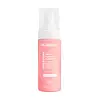
This mild foaming cleanser is made to cleanse without leaving your skin tight or dry.
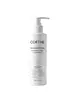
This mild gel cleanser is made to cleanse while calming and soothing your skin.

What's inside
What's inside
 Key Ingredients
Benefits
Concerns
No concerns
Ingredients Side-by-side
Water
Skin ConditioningDipropylene Glycol
HumectantCoco-Glucoside
Cleansing
Glycerin
Humectant


Disodium Cocoamphodiacetate
CleansingPhenoxyethanol
Preservative
Potassium Cocoyl Glycinate
Surfactant
Sodium Chloride
MaskingEthylhexylglycerin
Skin ConditioningBetaine
Humectant
Butylene Glycol
Humectant
Disodium EDTA
ChelatingHexylene Glycol
EmulsifyingAloe Barbadensis Leaf Extract
Emollient
Caprylyl Glycol
Emollient
Chlorphenesin
Antimicrobial
Tocopherol
Antioxidant




Water
Skin ConditioningDisodium Laureth Sulfosuccinate
CleansingPotassium Cocoyl Glycinate
Surfactant
Coco-Betaine
Cleansing
Decyl Glucoside
Cleansing
Cocamide Mipa
Emulsifying
Dipropylene Glycol
HumectantSodium Chloride
MaskingDisodium EDTA
ChelatingCucumis Sativus Seed
Exfoliating
Persea Gratissima Cera
EmollientPrunus Amygdalus Dulcis Oil
Skin Conditioning




Vegetable Oil
Skin Conditioning
Tocopherol
Antioxidant
Mangifera Indica Fruit Extract
Skin ConditioningSalix Alba Bark Extract
Astringent
Sesamum Indicum Seed Extract
Skin Conditioning
Malus Domestica Fruit Extract
Antioxidant
Oryza Sativa Bran Extract
Skin Conditioning
Bacillus Ferment
Skin Conditioning
Centella Asiatica Extract
Cleansing
1,2-Hexanediol
Skin Conditioning
Illicium Verum Fruit Extract
Perfuming
Scutellaria Baicalensis Root Extract
Astringent
Butylene Glycol
Humectant
PEG-120 Methyl Glucose Dioleate
Emulsifying
Citric Acid
Buffering
Dipotassium Glycyrrhizate
Humectant
Water, Disodium Laureth Sulfosuccinate, Potassium Cocoyl Glycinate, Coco-Betaine, Decyl Glucoside, Cocamide Mipa, Dipropylene Glycol, Sodium Chloride, Disodium EDTA, Cucumis Sativus Seed, Persea Gratissima Cera, Prunus Amygdalus Dulcis Oil, Vegetable Oil, Tocopherol, Mangifera Indica Fruit Extract, Salix Alba Bark Extract, Sesamum Indicum Seed Extract, Malus Domestica Fruit Extract, Oryza Sativa Bran Extract, Bacillus Ferment, Centella Asiatica Extract, 1,2-Hexanediol, Illicium Verum Fruit Extract, Scutellaria Baicalensis Root Extract, Butylene Glycol, PEG-120 Methyl Glucose Dioleate, Citric Acid, Dipotassium Glycyrrhizate
Ingredients Explained
These ingredients are found in both products.
Ingredients higher up in an ingredient list are typically present in a larger amount.
Butylene Glycol (or BG) is used within cosmetic products for a few different reasons:
Overall, Butylene Glycol is a safe and well-rounded ingredient that works well with other ingredients.
Though this ingredient works well with most skin types, some people with sensitive skin may experience a reaction such as allergic rashes, closed comedones, or itchiness.
Learn more about Butylene GlycolDipropylene Glycol is a synthetically created humectant, stabilizer, and solvent.
This ingredient helps:
Dipropylene glycol is technically an alcohol, but it belongs to the glycol family (often considered part of the ‘good’ alcohols). This means it is hydrating and gentle on skin unlike drying solvent alcohols like denatured alcohol.
As a masking agent, Dipropylene Glycol can be used to cover the smell of other ingredients. However, it does not have a scent.
Studies show Dipropylene Glycol is considered safe to use in skincare.
Learn more about Dipropylene GlycolDisodium EDTA is a chelating agent. It grabs onto and deactivates metal ions that sneak into your products from water, packaging, or air.
This ingredient mainly works behind the scenes and helps with:
On top of that, this ingredient can counteract the effects of hard water by binding to the minerals in it.
One thing worth knowing is that Disodium EDTA has been shown to be a mild penetration enhancer. It can help other ingredients absorb into skin more effectively which can be a double-edged sword (great for actives, but can also make the active too strong if you have sensitive skin).
Clinical patch testing showed no significant skin irritation at typical use concentrations and minimal dermal absorption.
You'll most likely see this ingredient near the end of an ingredient list. It's typically found in concentrations less than 1%.
Learn more about Disodium EDTAPotassium Cocoyl Glycinate is an amino acid-based surfactant and cleaning agent. This ingredient can be derived from animals or plants. It may also be synthetically created from fatty acids of the coconut and glycine.
Potassium Cocoyl Glycinate is a gentle surfactant. Surfactants help gather the dirt, oil, and other pollutants from your skin to be rinsed away. It is a mild cleanser and naturally produces foam.
Chances are, you eat sodium chloride every day. Sodium Chloride is also known as table salt. This ingredient has many purposes in skincare: thickener, emulsifier, and exfoliator.
You'll most likely find this ingredient in cleansers where it is used to create a gel-like texture. As an emulsifier, it also prevents ingredients from separating.
You might see people debate whether Sodium Chloride is comedogenic, but there actually haven't been any comedogenic tests done on it. Either way, the overall formulation of a product matters a lot more than any single ingredient.
You might see this ingredient used in scrubs as a primary exfoliating ingredient.
Learn more about Sodium ChlorideTocopherol is a fat-soluble antioxidant known as Vitamin E.
You'll find this ingredient in the vast majority of skincare (for good reason). It works to neutralize free radicals, or unstable molecules generated by UV exposure, pollution, and other environmental stressors, before they can cause oxidative damage to your skin cells.
Topically applied tocopherol has been shown to protect against UV damage by ramping up the skin's own natural defense enzymes.
It also acts as a skin conditioning agent; some studies show that regular topical use can improve the skin's water-binding capacity over 2-4 weeks.
This ingredient is especially loved for being a team player. When combined with Vitamin C, the photoprotective effect of both ingredients roughly doubles and the combo also helps reduce UV-induced DNA damage.
This ingredient has some brightening potential but it's more of a prevention ingredient than spot-fader. Cell studies show it can slow down melanin production but it's worth noting that it's not the most powerful brightener out there.
In formulations, it also serves as a stabilizer that helps protect other oxidation-prone ingredients from degrading.
Concentrations usually range from 0.1-1% in most leave-on products.
Learn more about TocopherolWater. It's the most common cosmetic ingredient of all. You'll usually see it at the top of ingredient lists, meaning that it makes up the largest part of the product.
So why is it so popular? Water most often acts as a solvent - this means that it helps dissolve other ingredients into the formulation.
You'll also recognize water as that liquid we all need to stay alive. If you see this, drink a glass of water. Remember to stay hydrated!
Learn more about Water

