
What's inside
What's inside
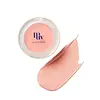 Key Ingredients
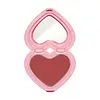
No key ingredients
Benefits
Concerns
Ingredients Side-by-side
Caprylic/Capric Triglyceride
Masking


Diisostearyl Malate
EmollientOctyldodecanol
Emollient
Bis-Diglyceryl Polyacyladipate-2
Emollient

Synthetic Wax
Abrasive

C13-15 Alkane
SolventPolyglyceryl-2 Triisostearate
Emulsifying
Hydrogenated Polyisobutene
EmollientMacadamia Seed Oil Polyglyceryl-6 Esters Behenate
Emollient
Polyglyceryl-3 Polyricinoleate
Emulsifying
Dimethicone
Emollient

Titanium Dioxide
Cosmetic Colorant

Sorbitan Isostearate
Emulsifying
Disteardimonium Hectorite
StabilisingDimethicone/Vinyl Dimethicone Crosspolymer
Skin Conditioning
CI 19140
Cosmetic ColorantEthylene/Propylene Copolymer
Abrasive
Caprylyl Glycol
Emollient
Caprylic/Capric Glycerides
EmollientTocopherol
Antioxidant





CI 15850
Cosmetic ColorantRosa Canina Fruit Oil
Emollient
Simmondsia Chinensis Seed Oil
Emollient
Camellia Japonica Seed Oil
Emollient
Triethoxycaprylylsilane
Aluminum Hydroxide
EmollientPolyhydroxystearic Acid
Emulsifying
CI 77492
Cosmetic ColorantCaprylic/Capric Triglyceride, Diisostearyl Malate, Octyldodecanol, Bis-Diglyceryl Polyacyladipate-2, Synthetic Wax, C13-15 Alkane, Polyglyceryl-2 Triisostearate, Hydrogenated Polyisobutene, Macadamia Seed Oil Polyglyceryl-6 Esters Behenate, Polyglyceryl-3 Polyricinoleate, Dimethicone, Titanium Dioxide, Sorbitan Isostearate, Disteardimonium Hectorite, Dimethicone/Vinyl Dimethicone Crosspolymer, CI 19140, Ethylene/Propylene Copolymer, Caprylyl Glycol, Caprylic/Capric Glycerides, Tocopherol, CI 15850, Rosa Canina Fruit Oil, Simmondsia Chinensis Seed Oil, Camellia Japonica Seed Oil, Triethoxycaprylylsilane, Aluminum Hydroxide, Polyhydroxystearic Acid, CI 77492

Ingredients Explained
These ingredients are found in both products.
Ingredients higher up in an ingredient list are typically present in a larger amount.
Caprylic/Capric Triglyceride (aka MCT Oil) is a lightweight emollient, solvent, and texture enhancer. It is considered a skin-softener by helping to prevent moisture loss.
Though it behaves like an oil, it is not technically one due to its chemical composition. One perk of this ingredient is that it is very stable, resistant to oxidation, and unlikely to go rancid.
In practice, that translates to a long shelf life and a consistently elegant skin feel.
While there is an assumption Caprylic Triglyceride can clog pores due to it being derived from coconut oil, there is no research supporting this. Just patch test if you have concerns.
Fractionated coconut oil and MCT Oil are both listed as Caprylic/Capric Triglyceride according to INCI. This is because INCI names are based on the ingredient’s final chemical composition and not its marketing name or source.
This ingredient is treated as the gold standard fungal acne safe oil. Even though it is coconut derived, the problematic lauric acid is stripped out.
This leaves just caprylic (C8) and capric (C10) acid. These chain lengths actually trend antifungal; a 2020 study found caprylic acid was enough to disrupt Malassezia furfur cell membrane, with a caprylic acid derivative damaging membrane structures at concentrations as low as 0.2%.
Learn more about Caprylic/Capric TriglycerideDiisostearyl Malate is an emollient and most often used in lip products. It comes from isostearyl alcohol, a fatty acid, and malic acid, an AHA.
As an emollient, Diisostearyl Malate helps create a thin film on your skin to trap moisture in. This helps keep your skin soft and smooth.
Hydrogenated Polyisobutene is a synthetic polymer. Polymers are compounds with high molecular weight. Hydrogenated Polyisobutene is an emollient and texture enhancer.
In one study, Hydrogenated Polyisobutene showed better skin hydration levels than Caprylic/Capric Triglyceride. As an emollient, it helps keep your skin soft and hydrated by trapping moisture in.
Hydrogenated Polyisobutene is often used as a mineral oil replacement.
Learn more about Hydrogenated Polyisobutene

