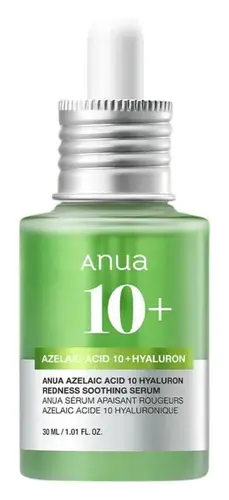
What's inside
What's inside
 Benefits
Concerns
Ingredients Side-by-side
Water
Skin ConditioningPropylene Glycol
Humectant


Dimethicone
Emollient

Phenyl Trimethicone
Skin Conditioning
Alcohol Denat.
Antimicrobial


PEG-40 Hydrogenated Castor Oil
Emulsifying

Parfum
Masking

Vinyl Caprolactam/Vp/Dimethylaminoethyl Methacrylate Copolymer
Skin ConditioningPolyacrylamide
Phenoxyethanol
Preservative
C13-14 Isoparaffin
Emollient
Benzyl Salicylate
Perfuming
Methylparaben
Preservative

Hexyl Cinnamal
Perfuming
Butylphenyl Methylpropional
Perfuming
Citric Acid
Buffering

2-Oleamido-1,3-Octadecanediol
Skin ConditioningPrunus Armeniaca Kernel Oil
Masking
Butyrospermum Parkii Butter
Skin Conditioning
Linalool
Perfuming
Limonene
Perfuming
Geraniol
Perfuming
Water, Propylene Glycol, Dimethicone, Phenyl Trimethicone, Alcohol Denat., PEG-40 Hydrogenated Castor Oil, Parfum, Vinyl Caprolactam/Vp/Dimethylaminoethyl Methacrylate Copolymer, Polyacrylamide, Phenoxyethanol, C13-14 Isoparaffin, Benzyl Salicylate, Methylparaben, Hexyl Cinnamal, Butylphenyl Methylpropional, Citric Acid, 2-Oleamido-1,3-Octadecanediol, Prunus Armeniaca Kernel Oil, Butyrospermum Parkii Butter, Linalool, Limonene, Geraniol
Propylene Glycol
Humectant
Persea Gratissima Oil
Skin Conditioning
Phenyl Trimethicone
Skin Conditioning
Glycerin
Humectant
C12-15 Alkyl Benzoate
AntimicrobialIsostearyl Palmitate
Emollient
Glyceryl Stearate
Emollient
Pvp
Emulsion StabilisingEthylhexyl Methoxycinnamate
UV Absorber
Triethanolamine
BufferingSorbitan Oleate
Emulsifying
Acrylates/C10-30 Alkyl Acrylate Crosspolymer
Emulsion StabilisingCocamidopropyl Pg-Dimonium Chloride Phosphate

Steardimonium Hydroxypropyl Hydrolyzed Wheat Protein
Skin ConditioningPhenoxyethanol
Preservative
Diazolidinyl Urea
Preservative
Methylparaben
Preservative
Propylparaben
Preservative
Parfum
Masking
CI 16035
Cosmetic ColorantCI 47005
Cosmetic ColorantButylphenyl Methylpropional
Perfuming
Linalool
Perfuming
Limonene
Perfuming
Propylene Glycol, Persea Gratissima Oil, Phenyl Trimethicone, Glycerin, C12-15 Alkyl Benzoate, Isostearyl Palmitate, Glyceryl Stearate, Pvp, Ethylhexyl Methoxycinnamate, Triethanolamine, Sorbitan Oleate, Acrylates/C10-30 Alkyl Acrylate Crosspolymer, Cocamidopropyl Pg-Dimonium Chloride Phosphate, Steardimonium Hydroxypropyl Hydrolyzed Wheat Protein, Phenoxyethanol, Diazolidinyl Urea, Methylparaben, Propylparaben, Parfum, CI 16035, CI 47005, Butylphenyl Methylpropional, Linalool, Limonene
Ingredients Explained
These ingredients are found in both products.
Ingredients higher up in an ingredient list are typically present in a larger amount.
Butylphenyl Methylpropional is a synthetic fragrance. You might know it as "lilial". The scent of this ingredient is floral-like and similar to the scent of lily flowers.
In March of 2022, the EU banned this ingredient in both rinse-off and leave-on products. This is because research found Butylphenyl Methylpropional to disrupt fertility in rats.
This ingredient is also a known EU allergen, meaning it is likely to cause an allergic reaction. Irritated skin can be damaging.
We always recommend speaking with a professional if you have any concerns or questions about this ingredient.
Learn more about Butylphenyl MethylpropionalLimonene is the compound that gives citrus peel its smell.
In skincare, it shows up as a standalone fragrance ingredient or as a natural compound of citrus and other essential oils.
You'll typically see this ingredient used in very small amounts; anything above 0.001% in a leave-on product or 0.01% in a rinse-off has to be named on the label in the EU. The citrus oils that carry it sit around 0.5-1% in a finished formula.
Fresh limonene is a weak allergen; the real issue is that it slowly reacts with air and then breaks down from oxidation to create hydroperoxides (which are strong sensitizers). This is why suppliers are required to keep the peroxide value below 20 mmol.
Positive reactions in people being investigated for eczema vary:
It's worth skipping if you have a known fragrance allergy or a compromised barrier, but the risk is low for most people.
Older or long-opened products are also more likely to bother you than fresh ones due to oxidation.
Learn more about LimoneneLinalool is a small, naturally occurring scent molecule found in plants like lavender, coriander, bergamot, and more.
It is one of the two most-used fragrance ingredients in cosmetics and added purely for smell. Since it's not used for a skin benefit, there's no "effective dose". Concentration depends on the fragrance load of the product.
The EU requires it to be named on the label above 0.001% in leave-on and 0.01% in rinse-off products.
Fresh linalool is a weak sensitizer but air exposure turns some of it into hydroperoxides, which are strong sensitizers. Those oxidation products are the actual allergy concern.
Patch-test clinics see positive reactions to linalool hydroperoxides in about 4% to 12% of dermatitis patients depending on country and test concentration.
Resassuringly, one analytical study found hydroperoxide levels in real fragranced products to be orders of magnitude below what induced sensitization in animal studies with no evidence of oxidation building up during normal storage.
The practical takeaway is that linalool is fine for most people but worth avoiding if you have a confirmed fragrance contact allergy or a badly compromised barrier.
Products stored a long time after opening are also the high-risk scenario since that is when oxidation happens.
The scent of linalool is described as floral, spicy tropical, and citrus-like.
Learn more about LinaloolMethylparaben is a synthetic preservative and one of the most widely used in the world. It has a simple, but important job: prevent your products from going bad by stopping bacteria, yeast, and mold from growing.
Typical use levels are low, often 0.1-0.3%.
This is also one of the most heavily studied preservatives out there and major regulatory bodies have repeatedly given it the green light.
In 2023, the EU's Scientific Committee on Consumer Safety (SCCS) confirmed that this ingredient is safe up to 0.4% on its own, of up to 0.8% when mixed with other paraben esters.
Here's the science behind the noise behind parabens/hormones as well:
Methylparaben shows very weak estrogen-like activity in vitro tests (more than 1,000x weaker than your body's own estradiol). In vivo (live-organism) studies don't support a meaningful endocrine-disrupting effect either.
You get a stronger estrogenic effect from eating tofu, actually.
It's also a low sensitizer and allergic reactions are uncommon; they usually happen on damage or broken skin.
There is a caveat: France has proposed to formally re-examine its endocrine classification in 2025 so the regulatory conversation isn't fully closed as of yet.
But as it stands today, this ingredient is considered safe at permitted levels.
Learn more about MethylparabenParfum is a catch-all term for an ingredient or more that is used to give a scent to products.
Also called "fragrance", this ingredient can be a blend of hundreds of chemicals or plant oils. This means every product with "fragrance" or "parfum" in the ingredients list is a different mixture.
For instance, Habanolide is a proprietary trade name for a specific aroma chemical. When used as a fragrance ingredient in cosmetics, most aroma chemicals fall under the broad labeling category of “FRAGRANCE” or “PARFUM” according to EU and US regulations.
The term 'parfum' or 'fragrance' is not regulated in many countries. In many cases, it is up to the brand to define this term.
For instance, many brands choose to label themselves as "fragrance-free" because they are not using synthetic fragrances. However, their products may still contain ingredients such as essential oils that are considered a fragrance by INCI standards.
One example is Calendula flower extract. Calendula is an essential oil that still imparts a scent or 'fragrance'.
Depending on the blend, the ingredients in the mixture can cause allergies and sensitivities on the skin. Some ingredients that are known EU allergens include linalool and citronellol.
Parfum can also be used to mask or cover an unpleasant scent.
The bottom line is: not all fragrances/parfum/ingredients are created equally. If you are worried about fragrances, we recommend taking a closer look at an ingredient. And of course, we always recommend speaking with a professional.
Learn more about ParfumPhenoxyethanol is one of the most widely used preservatives in skincare (and for good reason!).
It has a large spectrum of antimicrobial activity and especially effective bacteria, yeast, and mold while only having a weak effect on your skin's natural microbiome.
On a cellular level, it disrupts the cell membranes of microbes by poking holes that make the cell leak. This shuts down the chemical reactions the microbe needs to make energy so it can no longer survive.
Another perk of this ingredient is that it stays functional across a wide pH range (3-10).
You'll often see it paired with boosters like Ethylhexylglycerin; one study showed that a 1:9 ratio of Ethylhexylglycerin to Phenoxyethanol damages bacterial membranes as effectively as doubling the Phenoxyethanol concentration on its own.
Typical use concentrations range from 0.3-1% depending on the formula, and this ingredient is capped at 1% int the EU.
Safety-wise, the fear mongering does not hold up to the evidence. The EU's Scientific Committee on Consumer Safety and FDA consider it safe as a preservative at up to 1%, including for children of all ages.
Adverse systemic effects only showed up in animal studies at exposures roughly 200x higher than what people get from cosmetics. And despite its very widespread use, this ingredient is a rare sensitizer and allergic reactions are uncommon.
Learn more about PhenoxyethanolPhenyl Trimethicone is a silicon-based polymer. It is derived from silica.
Phenyl Trimethicone is used as an emollient and prevents products from foaming.
As an emollient, it helps trap moisture in the skin. It is considered an occlusive.
Learn more about Phenyl TrimethiconePropylene Glycol is a synthetic, colorless, odorless liquid that has been a staple in cosmetics for decades. It is a skin conditioning agent, humectant, and solvent.
As a humectant, it draw water to the skin to reduce flaking and restore suppleness. It's also a solvent that helps dissolve other actives and keeps formulas stable across temperature changes.
The CIR Expert Panel has confirmed this ingredient to be nontoxic and clinical studies show no sensitization at cosmetic use concentrations.
True allergic reactions are quite rare: a 15-year retrospective study of 6,751 patients found only 0.31% had a positive reaction (and less than half were considered clinically relevant).
It seemed that when sensitization does occur, it's most commonly linked to topical medication (like corticosteroids) and not cosmetics. Allergic contact dermatitis also appears largely limited to individuals with underlying skin conditions.
Overall, propylene glycol is a well-studied ingredient that most people can tolerate without issue.
Learn more about Propylene Glycol