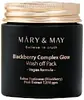
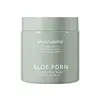
This wash off mask is made with Kaolin and Aloe Barbadensis Leaf Extract for a rinse-off oil-control boost.

What's inside
What's inside
 Key Ingredients
Benefits
Concerns
Ingredients Side-by-side
Water
Skin ConditioningKaolin
Abrasive



Glycerin
Humectant


Bentonite
Absorbent
1,2-Hexanediol
Skin Conditioning
Dipropylene Glycol
HumectantRubus Idaeus Extract
Skin ProtectingMacrocystis Pyrifera Extract
Skin Conditioning

Tropaeolum Majus Flower/Leaf/Stem Extract
Skin ConditioningCamellia Sinensis Leaf Extract
Antimicrobial



Hydrogenated Lecithin
Emulsifying
Butylene Glycol
Humectant
Xanthan Gum
EmulsifyingEgg Shell Powder
Abrasive
Allantoin
Skin Conditioning
Fructooligosaccharides
Humectant
Manicouagan Clay
AbsorbentBeta-Glucan
Skin Conditioning
Canadian Colloidal Clay
Skin ConditioningTocopherol
Antioxidant

Saccharomyces Ferment Filtrate
Humectant

Illite
Abrasive
Hydrolyzed Hyaluronic Acid
Humectant
Montmorillonite
AbsorbentParfum
Masking


Ethylhexylglycerin
Skin ConditioningCI 77499
Cosmetic ColorantCI 77491
Cosmetic ColorantWater, Kaolin, Glycerin, Bentonite, 1,2-Hexanediol, Dipropylene Glycol, Rubus Idaeus Extract, Macrocystis Pyrifera Extract, Tropaeolum Majus Flower/Leaf/Stem Extract, Camellia Sinensis Leaf Extract, Hydrogenated Lecithin, Butylene Glycol, Xanthan Gum, Egg Shell Powder, Allantoin, Fructooligosaccharides, Manicouagan Clay, Beta-Glucan, Canadian Colloidal Clay, Tocopherol, Saccharomyces Ferment Filtrate, Illite, Hydrolyzed Hyaluronic Acid, Montmorillonite, Parfum, Ethylhexylglycerin, CI 77499, CI 77491
Water
Skin ConditioningKaolin
Abrasive
Dipropylene Glycol
HumectantBentonite
Absorbent
Betaine
Humectant
1,2-Hexanediol
Skin Conditioning
Glycerin
Humectant
Cellulose
Absorbent
Methylpropanediol
SolventCollagen
Moisturising
Xanthan Gum
EmulsifyingTitanium Dioxide
Cosmetic Colorant

Centella Asiatica Extract
Cleansing
Ficus Carica Fruit Extract
Humectant
Sodium Hyaluronate
Humectant
Dimethylsilanol Hyaluronate
Humectant
Hydrolyzed Sodium Hyaluronate
Skin Conditioning
Hyaluronic Acid
Humectant
Potassium Hyaluronate
Skin ConditioningSodium Hyaluronate Crosspolymer
Humectant
Hydroxypropyltrimonium Hyaluronate
Sodium Hyaluronate Dimethylsilanol
HumectantSodium Acetylated Hyaluronate
Humectant
Beta-Glucan
Skin Conditioning
Hydrolyzed Hyaluronic Acid
Humectant
Ceramide NP
Skin Conditioning
Aloe Barbadensis Leaf Extract
Emollient
Sodium DNA
Skin Conditioning
Hydrogenated Polydecene
EmollientEthylhexylglycerin
Skin ConditioningHydroxyacetophenone
Antioxidant
Butylene Glycol
Humectant
Macrocystis Pyrifera Extract
Skin Conditioning
CI 77288
Cosmetic ColorantScutellaria Baicalensis Extract
AntimicrobialMethyl Diisopropyl Propionamide
MaskingHydrogenated Lecithin
Emulsifying
Fructooligosaccharides
Humectant
Tocopherol
Antioxidant
Disodium EDTA
ChelatingLeuconostoc Ferment Filtrate
AntimicrobialWater, Kaolin, Dipropylene Glycol, Bentonite, Betaine, 1,2-Hexanediol, Glycerin, Cellulose, Methylpropanediol, Collagen, Xanthan Gum, Titanium Dioxide, Centella Asiatica Extract, Ficus Carica Fruit Extract, Sodium Hyaluronate, Dimethylsilanol Hyaluronate, Hydrolyzed Sodium Hyaluronate, Hyaluronic Acid, Potassium Hyaluronate, Sodium Hyaluronate Crosspolymer, Hydroxypropyltrimonium Hyaluronate, Sodium Hyaluronate Dimethylsilanol, Sodium Acetylated Hyaluronate, Beta-Glucan, Hydrolyzed Hyaluronic Acid, Ceramide NP, Aloe Barbadensis Leaf Extract, Sodium DNA, Hydrogenated Polydecene, Ethylhexylglycerin, Hydroxyacetophenone, Butylene Glycol, Macrocystis Pyrifera Extract, CI 77288, Scutellaria Baicalensis Extract, Methyl Diisopropyl Propionamide, Hydrogenated Lecithin, Fructooligosaccharides, Tocopherol, Disodium EDTA, Leuconostoc Ferment Filtrate
Reviews
Ingredients Explained
These ingredients are found in both products.
Ingredients higher up in an ingredient list are typically present in a larger amount.
1,2-Hexanediol is a synthetic liquid and another multi-functional powerhouse.
It is a:
- Humectant, drawing moisture into the skin
- Emollient, helping to soften skin
- Solvent, dispersing and stabilizing formulas
- Preservative booster, enhancing the antimicrobial activity of other preservatives
Bentonite is an aluminium phyllosilicate clay with great absorbent properties. The name 'bentonite' comes from the area where the largest source is found: Fort Benton, Wyoming.
As a clay, bentonite is often used to absorb excess oil and provide exfoliation. It has also been shown to have some antibacterial and anti-inflammatory properties. Studies show bentonite was effective at calming dermatitis from poison ivy and in diaper dermatitis of infants. Bentonite has also been shown to act as a barrier against toxic compounds on your skin.
Sunscreens containing bentonite display higher water resistance and stay on the skin for much longer. The sunscreens containing bentonite also show higher potency and UV light absorbtion.
Bentonite is naturally created from volcanic ash and several natural weathering/hydrothermal processes.
A common usage of bentonite is removing excess protein from white wines. Bentonite contains a property of being able to absorb large amounts of protein from aqueous solutions.
Phyllosilicate clay has a structure formed by sheets.
Learn more about BentoniteBeta-Glucan is a soluble polysaccharide (a chain of glucose sugars) sourced from the cells walls of oats, baker's yeast, mushrooms, and seaweed.
It's a rare ingredient that pulls double-duty as a heavy-duty hydrator and skin-soothing repair agent.
On the surface, it acts as a humectant that holds water in place and reduces moisture loss for a plumper, smoother feel, while its anti-inflammatory and antioxidant properties make it a great pick for calming redness or sensitive skin
The more interesting story is underneath:
Despite its large molecular size, oat beta-glucan has been shown to penetrate the epidermis and reach the dermis by slipping between skin cells. Here, it interacts with fibroblasts and macrophages to nudge collagen synthesis and support wound repair.
A small 2005 split-face clinical study of 27 subjects found topical beta-glucan produced measurable reductions in wrinkle depth, height, and roughness after 8 weeks of use.
It is worth noting the trial was small and the penetration testing used frozen, irradiated skin so the anti-aging data is encouraging rather than definitive.
This ingredient gets along with pretty much everything and is typically used around 0.1-1%.
Fungal acne: This ingredient is not a food source for the Malassezia yeast because it is a glucose polysaccharide with no fatty acid or ester component.
Learn more about Beta-GlucanButylene Glycol (or BG) is used within cosmetic products for a few different reasons:
Overall, Butylene Glycol is a safe and well-rounded ingredient that works well with other ingredients.
Though this ingredient works well with most skin types, some people with sensitive skin may experience a reaction such as allergic rashes, closed comedones, or itchiness.
Learn more about Butylene GlycolDipropylene Glycol is a synthetically created humectant, stabilizer, and solvent.
This ingredient helps:
Dipropylene glycol is technically an alcohol, but it belongs to the glycol family (often considered part of the ‘good’ alcohols). This means it is hydrating and gentle on skin unlike drying solvent alcohols like denatured alcohol.
As a masking agent, Dipropylene Glycol can be used to cover the smell of other ingredients. However, it does not have a scent.
Studies show Dipropylene Glycol is considered safe to use in skincare.
Learn more about Dipropylene GlycolEthylhexylglycerin is created from glycerin. It is a multitasker ingredient that:
The CIR Expert Panel found minimal skin absorption or sensitization of any kind in a safety assessment. Though this ingredient is considered well-tolerated, a small number of cases of allergic dermatitis have been published since 2002. Just be sure to patch test if you are unsure.
Industry-reported use ranges from 8% in rinse-off products and 2% in leave-on formulations.
Learn more about EthylhexylglycerinFructooligosaccharides (FOS) are a type of prebiotic sugar with humectant and skin conditioning properties. As a humectant, they help attract and hold moisture in the skin.
FOS essentially acts as a food source for the "good" bacteria on your skin and make it harder for "bad" bacteria to thrive. A 2022 study using a reconstructured human skin model found that just 1% of FOS was enough to shift the bacteria balance in favor of beneficial species. This suggests it could help support a healthier skin microbiome over time.
This ingredient has a low sensitization risk and testing shows it does not classify as a skin irritant or sensitizer.
FOS are usually produced from sugar beets and can also be found in foods like bananas, garlic, and onions.
Learn more about FructooligosaccharidesGlycerin (or glycerol) is a compound naturally found in your skin. It's a powerhouse humectant that pulls water into the stratum corneum.
Topically, glycerin does several things at once:
Your skin makes glycerin on its own (mostly from sebaceous oil breakdown) and shuttles it to your outermost layer of skin, or your epidermis, via aquaporin-3.
Aquaporin-3 is a transporter that is essential for normal skin hydration, elasticity, and repair. Interestingly, mice lacking in AQP3 have dry and less elastic skin that can be fully corrected with glycerin.
This ingredient is non-irritating, plays well with almost every ingredient, and works across all skin types. Typical use is anywhere between 3-10% but can go up to 79% in some leave-on products.
Just know very high concentrations (>40%) can feel tacky in low humidity.
Glycerin is the name for this ingredient in American English. British English uses Glycerol/Glycerine.
Learn more about GlycerinHydrogenated Lecithin is a more stable version of lecithin.
It's made by taking lecithin (a phospholipid commonly found in soybeans and egg yolks) and hydrogenating it. This just means the unsaturated fatty acids are turned into saturated ones so they don't go bad as easily.
This ingredient is an emollient, emulsifier, and penetration enhancer. As an emollient, it helps soften and hydrate skin by trapping moisture within. As an emulsifier, it prevents oil and water ingredients from separating.
Hydrogenated Lecithin can form tiny spherical structures made of phospholipid bilayers called liposomes. These liposomes are able to capture compounds inside their structure and deliver them through the skin barrier.
Because phospholipids are a natural component of our cell membranes, this ingredient is inherently compatible with skin.
A 2021 study found lecithin-based surfactants were less harsh and more tolerable comared to Sodium Lauryl Sulfate (SLS).
Learn more about Hydrogenated LecithinHydrolyzed Hyaluronic Acid is hyaluronic acid (HA) that is broken down into lower molecular weight fragments.
It's a humectant that pulls and holds water in the skin to help with hydration, plumpness, and reduce transepidermal water loss.
Because hydrolyzed hyaluronic acid is smaller in size, it can slip past your outermost layer of skin more easily than full-sized HA.
Most formulations will combine all sizes to get the best of both worlds.
Typical usage levels range from 0.01-1%. Any percentage higher than 2% might become goopy and tacky.
Learn more about Hydrolyzed Hyaluronic AcidKaolin is a clay. It is used for oil control and to help minimize pores. Like other clays, kaolin has the ability to absorb excess sebum or oil. This can help clean out pores and mattify the skin.
Some types of kaolin may have exfoliating properties. When water is added to kaolin, it becomes a paste with small abrasive particles.
Most kaolin is a white color, but may be pink/orange/red depending on where it comes from.
The name 'kaolin' comes from a Chinese village named 'Gaoling'. Kaolin clay comes from rocks rich in kaolinite. Kaolinite, the mineral, has a silicate layered structure. Kaolinite is formed from chemical weathering of aluminum siilicate minerals.
Besides skincare, kaolin is commonly used to make glossy paper, in ceramics, toothpaste, and as medicine to soothe stomach issues.
Learn more about KaolinThis ingredient comes from a brown kelp called Macrocystis pyrifera. It is rich in antioxidants and can help hydrate skin.
Brown kelp are rich in unsaturated fatty acids and phlorotannins. Phlorotannins have been found to help with inhibiting melanin production and helping reduce the signs of aging due to their high antioxidant activity.
One study suggests phlorotannins may even have some sun protection factor due to their antioxidant activity. However, this ingredient should not replace your sunscreen.
Macrocystis pyrifera is made up of about: 60% carbohydrates, 10% protein, and 1.50% lipid content. The last 30% is kelp ash.
This kelp can be found in the southern hemisphere and north Pacific.
Learn more about Macrocystis Pyrifera ExtractTocopherol is a fat-soluble antioxidant known as Vitamin E.
You'll find this ingredient in the vast majority of skincare (for good reason). It works to neutralize free radicals, or unstable molecules generated by UV exposure, pollution, and other environmental stressors, before they can cause oxidative damage to your skin cells.
Topically applied tocopherol has been shown to protect against UV damage by ramping up the skin's own natural defense enzymes.
It also acts as a skin conditioning agent; some studies show that regular topical use can improve the skin's water-binding capacity over 2-4 weeks.
This ingredient is especially loved for being a team player. When combined with Vitamin C, the photoprotective effect of both ingredients roughly doubles and the combo also helps reduce UV-induced DNA damage.
This ingredient has some brightening potential but it's more of a prevention ingredient than spot-fader. Cell studies show it can slow down melanin production but it's worth noting that it's not the most powerful brightener out there.
In formulations, it also serves as a stabilizer that helps protect other oxidation-prone ingredients from degrading.
Concentrations usually range from 0.1-1% in most leave-on products.
Learn more about TocopherolWater. It's the most common cosmetic ingredient of all. You'll usually see it at the top of ingredient lists, meaning that it makes up the largest part of the product.
So why is it so popular? Water most often acts as a solvent - this means that it helps dissolve other ingredients into the formulation.
You'll also recognize water as that liquid we all need to stay alive. If you see this, drink a glass of water. Remember to stay hydrated!
Learn more about WaterXanthan gum is used as a stabilizer and thickener within cosmetic products. It helps give products a sticky, thick feeling - preventing them from being too runny.
On the technical side of things, xanthan gum is a polysaccharide - a combination consisting of multiple sugar molecules bonded together.
Xanthan gum is a pretty common and great ingredient. It is a natural, non-toxic, non-irritating ingredient that is also commonly used in food products.
Learn more about Xanthan Gum

