
What's inside
What's inside
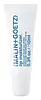 Key Ingredients
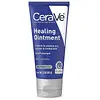
Benefits
Concerns
Ingredients Side-by-side



Petrolatum 49.5%
Emollient



Paraffinum Liquidum
Emollient
Microcrystalline Wax
Emulsion StabilisingGlycerin
Humectant

Paraffin
Skin Conditioning
Synthetic Wax
Abrasive
Ceramide NP
Skin Conditioning



Ceramide AP
Skin Conditioning
Ceramide EOP
Skin Conditioning
Carbomer
Emulsion StabilisingWater
Skin ConditioningTriethyl Citrate
Masking

Sodium Lauroyl Lactylate
EmulsifyingSodium Hyaluronate
Humectant
Cholesterol
Emollient
Tocopheryl Acetate
Antioxidant


Tocopherol
Antioxidant
Caprylyl Glycol
Emollient
Panthenol
Skin Conditioning
Phytosphingosine
Skin Conditioning
Xanthan Gum
EmulsifyingBenzoic Acid
Masking

Petrolatum 49.5%, Paraffinum Liquidum, Microcrystalline Wax, Glycerin, Paraffin, Synthetic Wax, Ceramide NP, Ceramide AP, Ceramide EOP, Carbomer, Water, Triethyl Citrate, Sodium Lauroyl Lactylate, Sodium Hyaluronate, Cholesterol, Tocopheryl Acetate, Tocopherol, Caprylyl Glycol, Panthenol, Phytosphingosine, Xanthan Gum, Benzoic Acid
Reviews
Ingredients Explained
These ingredients are found in both products.
Ingredients higher up in an ingredient list are typically present in a larger amount.
Caprylyl Glycol is a humectant, skin conditioner, emollient, and preservative booster derived from either caprylic acid or synthetically created.
Typical use levels vary from 0.3-1% as a preservative booster and go up to 2% to condition skin.
Because it is not a free-fatty acid, this ingredient is fungal acne safe (there's nothing for Malassezia to feed on).
Learn more about Caprylyl Glycol

