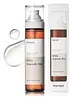
This barrier-repair ampoule is formulated around Bifida Ferment Lysate and Acetyl Hexapeptide-8 to strengthen the skin barrier and calm redness.
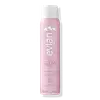
This hydrating essence is formulated around Aloe Barbadensis Leaf Juice Powder and Camellia Sinensis Leaf Extract to hydrate skin and calm redness.


What's inside
What's inside
 Key Ingredients
Benefits
Concerns
No concerns
Ingredients Side-by-side
Paeonia Lactiflora Root Extract
Skin ConditioningBifida Ferment Lysate 20%
Skin Conditioning



Lactobacillus/Pumpkin Fruit Ferment Filtrate
Skin ConditioningButylene Glycol
Humectant
Glycerin
Humectant
Sodium Hyaluronate
Humectant

Lactobacillus/Soybean Ferment Extract
Skin ConditioningPhellinus Linteus Extract
Skin ConditioningAcetyl Hexapeptide-8
Humectant
Aureobasidium Pullulans Ferment
Skin ConditioningPalmitoyl Dipeptide-10
Skin Conditioning
Palmitoyl Tripeptide-1
Skin Conditioning
Corthellus Shiitake Extract
Skin ProtectingGlycyrrhiza Glabra Root Extract
Bleaching

Trametes Versicolor Extract
Copper Tripeptide-1
Skin Conditioning
Allantoin
Skin Conditioning
Panthenol
Skin Conditioning
Physalis Alkekengi Fruit Extract
Skin ConditioningCamellia Sinensis Leaf Extract
Antimicrobial


Epigallocatechin Gallate
Antioxidant
Panax Ginseng Root Extract
Emollient
Algin
MaskingForsythia Suspensa Fruit Extract
Antioxidant
Dioscorea Oppositifolia Root Extract
Skin ConditioningMethyl Gluceth-20
Humectant
Caffeine
Skin Conditioning
Caprylyl Glycol
Emollient
Scutellaria Baicalensis Root Extract
Astringent
Illicium Verum Fruit Extract
Perfuming
Adenosine
Skin Conditioning
Paeonia Lactiflora Root Extract, Bifida Ferment Lysate 20%, Lactobacillus/Pumpkin Fruit Ferment Filtrate, Butylene Glycol, Glycerin, Sodium Hyaluronate, Lactobacillus/Soybean Ferment Extract, Phellinus Linteus Extract, Acetyl Hexapeptide-8, Aureobasidium Pullulans Ferment, Palmitoyl Dipeptide-10, Palmitoyl Tripeptide-1, Corthellus Shiitake Extract, Glycyrrhiza Glabra Root Extract, Trametes Versicolor Extract, Copper Tripeptide-1, Allantoin, Panthenol, Physalis Alkekengi Fruit Extract, Camellia Sinensis Leaf Extract, Epigallocatechin Gallate, Panax Ginseng Root Extract, Algin, Forsythia Suspensa Fruit Extract, Dioscorea Oppositifolia Root Extract, Methyl Gluceth-20, Caffeine, Caprylyl Glycol, Scutellaria Baicalensis Root Extract, Illicium Verum Fruit Extract, Adenosine
Water
Skin ConditioningGlycerin
Humectant
Caprylyl/Capryl Glucoside
CleansingSodium Benzoate
Masking
Parfum
Masking



Paeonia Lactiflora Root Extract
Skin ConditioningCaesalpinia Spinosa Gum
Skin ConditioningAloe Barbadensis Leaf Juice Powder
Skin Conditioning
Camellia Sinensis Leaf Extract
Antimicrobial
Potassium Sorbate
Preservative
Citric Acid
Buffering
Sodium Hydroxide
BufferingSorbic Acid
Preservative
Nitrogen
Reviews
Ingredients Explained
These ingredients are found in both products.
Ingredients higher up in an ingredient list are typically present in a larger amount.
Camellia Sinensis Leaf Extract (tea extract) is one of the most well-researched plant extracts in skincare with an impressive resume.
Black tea, green tea, and oolong tea are all harvested from the Camellia Sinensis plant.
Studies show green tea extract and its catechins (like epigallocatechin gallate (EGCG)) help your skin cells product energy more efficiently and reducing the number of free-radicals that can damage your skin from the inside.
In lab-grown skin models, this translated to younger, healthier, and stronger skin.
There's also good sun protection data; researchers saw less DNA damage and redness on human skin when green tea was applied before UVB exposure. And the more they applied, the better the protection.
Needless to say, this ingredient shouldn't replace your sunscreen. But it is a great supportive ingredient that you can already find in many sunscreens and antioxidant serums.
A 2009 study found a 2% green tea lotion was effective for mild-to-moderate acne thanks to its anti-inflammatory and mild antimicrobial activity.
The quality of the extract matters a lot here:
Good extracts contain 50-90% catechins while lower quality ones are mostly there for marketing. We recommend reaching out to the brand if you have questions about the quality or source of their ingredients.
Human Repeated Insult Patch Testing showed no irritation or sensitization at use concentrations (0.86% in leave-on products and up to 30% as leaf water).
Learn more about Camellia Sinensis Leaf ExtractGlycerin (or glycerol) is a compound naturally found in your skin. It's a powerhouse humectant that pulls water into the stratum corneum.
Topically, glycerin does several things at once:
Your skin makes glycerin on its own (mostly from sebaceous oil breakdown) and shuttles it to your outermost layer of skin, or your epidermis, via aquaporin-3.
Aquaporin-3 is a transporter that is essential for normal skin hydration, elasticity, and repair. Interestingly, mice lacking in AQP3 have dry and less elastic skin that can be fully corrected with glycerin.
This ingredient is non-irritating, plays well with almost every ingredient, and works across all skin types. Typical use is anywhere between 3-10% but can go up to 79% in some leave-on products.
Just know very high concentrations (>40%) can feel tacky in low humidity.
Glycerin is the name for this ingredient in American English. British English uses Glycerol/Glycerine.
Learn more about GlycerinPaeonia Lactiflora Root Extract comes from the root of the peony plant and has a long history of being used in traditional herbal medicine. In cosmetics, it has skin conditioning properties.
This root is rich in paeoniflorin, polyphenols, and flavonoids. These compounds are known to help calm inflammatory signaling, reduce oxidative stress, and regular skin responses to irritation.
In lab and cell studies, this ingredient has been shoown to reduce pro-inflammatory mediators and protect skin cells from stress.
Some research even suggests mild involvement in pigment regulation pathways which is why you might see this ingredient in brightening products.
Learn more about Paeonia Lactiflora Root Extract

