Laperas 12% C + E + Ferulic Acid Glow And Firm Serum Versus Glow Recipe Pineapple-C Brightening Serum
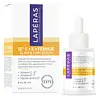
This brightening serum is formulated around 3-O-Ethyl Ascorbic Acid and Tocopheryl Acetate to brighten dull-looking skin and soften the look of wrinkles.
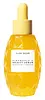
This brightening serum is formulated around 3-O-Ethyl Ascorbic Acid and Ascorbic Acid to brighten dull-looking skin and fade the look of dark spots.


What's inside
What's inside
 Key Ingredients
Benefits
Concerns
Ingredients Side-by-side
Water
Skin ConditioningAloe Barbadensis Leaf Juice
Skin Conditioning


3-O-Ethyl Ascorbic Acid
Skin Conditioning




Propylene Glycol
Humectant

Butylene Glycol
Humectant
Pentylene Glycol
Skin Conditioning
Glycerin
Humectant
Polysorbate 20
Emulsifying
Propanediol
Solvent
Tocopheryl Acetate
Antioxidant

PEG-12 Dimethicone
Skin Conditioning
Phenoxyethanol
Preservative
Centella Asiatica Extract
Cleansing
Hydroxyethylcellulose
Emulsion StabilisingFerulic Acid
Antimicrobial
Sodium Hyaluronate
Humectant
Phenethyl Alcohol
MaskingCitric Acid
Buffering
Sodium Benzoate
Masking
Potassium Sorbate
Preservative
Caprylyl Glycol
Emollient
Glyceryl Acrylate/Acrylic Acid Copolymer
HumectantPvm/Ma Copolymer
Emulsion StabilisingWater, Aloe Barbadensis Leaf Juice, 3-O-Ethyl Ascorbic Acid, Propylene Glycol, Butylene Glycol, Pentylene Glycol, Glycerin, Polysorbate 20, Propanediol, Tocopheryl Acetate, PEG-12 Dimethicone, Phenoxyethanol, Centella Asiatica Extract, Hydroxyethylcellulose, Ferulic Acid, Sodium Hyaluronate, Phenethyl Alcohol, Citric Acid, Sodium Benzoate, Potassium Sorbate, Caprylyl Glycol, Glyceryl Acrylate/Acrylic Acid Copolymer, Pvm/Ma Copolymer
Ananas Sativus Fruit Extract
Skin ConditioningButylene Glycol
Humectant
Propanediol
Solvent
Water
Skin Conditioning3-O-Ethyl Ascorbic Acid
Skin Conditioning
Dimethicone
Emollient
Ascorbic Acid
Antioxidant
Lactic Acid
Buffering

Sodium Hyaluronate
Humectant
Chamomilla Recutita Flower Extract
Masking
Aloe Barbadensis Leaf Juice
Skin Conditioning
Squalane
Emollient
Tocopheryl Acetate
Antioxidant
Portulaca Oleracea Extract
Skin Conditioning
Carthamus Tinctorius Seed Extract
Skin ConditioningHexylresorcinol
Antimicrobial
Arginine
Masking
Ethylhexylglycerin
Skin ConditioningCaprylic/Capric Triglyceride
Masking
Xanthan Gum
EmulsifyingCaprylyl Glycol
Emollient
Pentylene Glycol
Skin Conditioning
Dimethicone Crosspolymer
Emulsion Stabilising
Parfum
Masking

Ananas Sativus Fruit Extract, Butylene Glycol, Propanediol, Water, 3-O-Ethyl Ascorbic Acid, Dimethicone, Ascorbic Acid, Lactic Acid, Sodium Hyaluronate, Chamomilla Recutita Flower Extract, Aloe Barbadensis Leaf Juice, Squalane, Tocopheryl Acetate, Portulaca Oleracea Extract, Carthamus Tinctorius Seed Extract, Hexylresorcinol, Arginine, Ethylhexylglycerin, Caprylic/Capric Triglyceride, Xanthan Gum, Caprylyl Glycol, Pentylene Glycol, Dimethicone Crosspolymer, Parfum
Reviews
Ingredients Explained
These ingredients are found in both products.
Ingredients higher up in an ingredient list are typically present in a larger amount.
3-O-Ethyl Ascorbic Acid is one of the most popular "stable" vitamin C derivatives in skincare.
Plain ascorbic acid is fantastic but notoriously fragile; it browns, oxidizes, and loses potency fast. So attaching an ethyl group to the third carbon of the molecule gives it some cool perks:
In a formula, it does the 3 classic vitamin C jobs: it acts as an antioxidant, helps brighten skin tone by inhibiting tyrosinase, and supports collagen.
The evidence is reasonably solid for a cosmetic ingredient; Liao and colleagues (2018) showed it's significantly more stable than ascorbic acid while still being effective.
A 2021 study by Zerbinati and colleagues tested a serum with 30% 3-O-ethyl-l-ascorbic acid and 1% lactic acid significantly increased collagen production, reduced UVB-induced DNA damage, and decreased melanin on a reconstructed pigmented skin model.
Typical real world usage sits around 0.5-5% (and 1-2% is common for daily serums).
Amounts up to 30% have been shown to be non-irritating on human skin samples, but two isolated cases reported allergic contact dermatitis so a patch test is sensible if you have reactive skin.
Learn more about 3-O-Ethyl Ascorbic AcidAloe Barbadensis Leaf Juice is the filtered, stabilized liquid pressed from the inner gel of the aloe vera leaf.
In cosmetics, it shows up as either soothing active or a water-replacement base. It is roughly 98-99% water and the last 1-2% is an interesting mix of polysaccharides, amino acids, vitamins, minerals, and enzymes.
The polysaccharides do most of the work: they bind water at the skin surface for a light, non-greasy hydration boost. And one of the polysaccharides, glycomannan, is linked to fibroblast stimulation + collagen synthesis. This is also why aloe has such a long track record in wound and burn healing.
This ingredient is also calming with anti-inflammatory and mild antimicrobial activity, making it a great pick for sensitive, irritated, or post-sun skin.
Realistic expectations matter though; the solid evidence is mostly limited to hydration, soothing, and wound support. Deeper claims about anti-aging or sun protection are not well backed, and science reviews note it does not prevent radiation-induced skin injury.
Because it plays well with almost everything, it's commonly used as a base alongside other actives like niacinamide or vitamin C.
Typical usage concentrations range from 0.5% (where hydration benefits already show up) all the way to 90%+ (where it replaces water as the main base).
The safety for this ingredient is well-establish as well. Overall, this is a great supporting ingredient for those who want a boost in hydration.
Learn more about Aloe Barbadensis Leaf JuiceButylene Glycol (or BG) is used within cosmetic products for a few different reasons:
Overall, Butylene Glycol is a safe and well-rounded ingredient that works well with other ingredients.
Though this ingredient works well with most skin types, some people with sensitive skin may experience a reaction such as allergic rashes, closed comedones, or itchiness.
Learn more about Butylene GlycolCaprylyl Glycol is a humectant, skin conditioner, emollient, and preservative booster derived from either caprylic acid or synthetically created.
Typical use levels vary from 0.3-1% as a preservative booster and go up to 2% to condition skin.
Because it is not a free-fatty acid, this ingredient is fungal acne safe (there's nothing for Malassezia to feed on).
Learn more about Caprylyl GlycolPentylene Glycol (1,2-pentanediol) is a multitasking little diol with three main roles in a formula:
Research on alkanediols (the family pentylene glycol belongs to) show they work by disrupting microbial cell membranes. This disruption helps the primary preservative system in a product work more effectively at lower doses.
On the safety side, the Cosmetic Ingredient Review Expert Panel has concluded this ingredient to be safe as used in current cosmetic practices + concentrations.
Typical use levels in a formula run about 1-5%.
Learn more about Pentylene GlycolPropanediol is an all-star ingredient. It softens, hydrates, and smooths the skin.
It’s often used to:
Propanediol is not likely to cause sensitivity and considered safe to use. It is derived from corn or petroleum with a clear color and no scent.
Learn more about PropanediolSodium Hyaluronate is the salt form of hyaluronic acid. It is a long sugar chain that is naturally found in your skin, joints, and connective tissue that maintains hydration and elasticity.
In skincare, it works as a humectant. It pulls water from the environment and deeper layers of skin and binds it to the surface.
Interestingly, the size of the molecule affects its behavior:
Some clinical evidence links low molecular weight versions to improved wrinkle depth, elasticity, anti-inflammatory effects, and barrier repair.
Many serums use a blend of both weights so you can get surface hydration plus longer-lasting and deeper effects.
You'll typically see concentrations between 0.1-2% for this ingredient.
Learn more about Sodium HyaluronateTocopheryl Acetate is a stable, shelf-friendly form of vitamin E.
Formulators love it because plain vitamin E oxidizes quickly once it hits air. This acetate version stays stable and resists going off, helping to extend a product's shelf life.
It's actually inactive on its own and works like a slow-release "storage" form; the enzymes in your skin called esterases gradually convert it into active vitamin E over time.
One in vivo study showed 5% of the acetate in the living layer of the epidermis converted to vitamin E after 5 days of application. This study also found the skin gained protection against UV damage even though the conversion was slow and small.
Once converted, vitamin E acts as a skin's main fat-soluble antioxidant that fights free radicals to protect skin from damage.
Topical vitamin E generally boosts the skin's photoprotection, and it reduced UV-damage in animal models.
This ingredient has some brightening potential but it's more of a prevention ingredient than spot-fader. Cell studies show it can slow down melanin production but it's worth noting that it's not the most powerful brightener out there.
Overall, it has a pretty solid safety profile and has been found to be non-irritating and non-comedogenic. Allergic reactions may happen but stay rare due to how widely the ingredient gets used.
The concentration will vary depending on the formula; industry data shows 0.1% in baby lotions, 3% in lipsticks, and 5% in foot powders. You can also find this ingredient at 100% in a pure vitamin E oil.
Most leave-on skincare keeps it at the lower end, often between 0.5-1%.
Learn more about Tocopheryl AcetateWater. It's the most common cosmetic ingredient of all. You'll usually see it at the top of ingredient lists, meaning that it makes up the largest part of the product.
So why is it so popular? Water most often acts as a solvent - this means that it helps dissolve other ingredients into the formulation.
You'll also recognize water as that liquid we all need to stay alive. If you see this, drink a glass of water. Remember to stay hydrated!
Learn more about Water

