Lador Perfect Hair Fill-Up Versus Elizavecca Milky Piggy CER-100 Collagen Ceramide Coating Protein Treatment

What's inside
What's inside
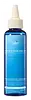 Key Ingredients
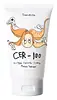
Benefits
Concerns
Ingredients Side-by-side
Alcohol
Antimicrobial




Propylene Glycol
Humectant
Cetrimonium Chloride
Antimicrobial
Benzyl Glycol
SolventEthylhexylglycerin
Skin ConditioningRaspberry Ketone
Masking

Hydrolyzed Keratin
Humectant
Hydrolyzed Collagen
Emollient
Hydrolyzed Silk
Humectant
Ceramide NP
Skin Conditioning



PEG-12 Dimethicone
Skin Conditioning
Glycerin
Humectant
Octyldodeceth-20
CleansingOctyldodeceth-16
EmulsifyingGlyoxyloyl Carbocysteine
Glyoxyloyl Keratin Amino Acids
Butylene Glycol
Humectant
Phyllanthus Emblica Extract
Skin ConditioningPolyquaternium-92
Citric Acid
Buffering

Parfum
Masking
Alcohol, Propylene Glycol, Cetrimonium Chloride, Benzyl Glycol, Ethylhexylglycerin, Raspberry Ketone, Hydrolyzed Keratin, Hydrolyzed Collagen, Hydrolyzed Silk, Ceramide NP, PEG-12 Dimethicone, Glycerin, Octyldodeceth-20, Octyldodeceth-16, Glyoxyloyl Carbocysteine, Glyoxyloyl Keratin Amino Acids, Butylene Glycol, Phyllanthus Emblica Extract, Polyquaternium-92, Citric Acid, Parfum
Water
Skin ConditioningCetearyl Alcohol
Emollient




Behentrimonium Chloride
Preservative
Glycerin
Humectant
Amodimethicone
Cyclopentasiloxane
Emollient
Citric Acid
Buffering
Isopropyl Alcohol
Solvent
Cetrimonium Chloride
Antimicrobial
Sodium Benzoate
Masking
Dimethicone
Emollient
Trideceth-12
EmulsifyingPanthenol
Skin Conditioning
Parfum
Masking
Tocopheryl Acetate
Antioxidant

Caramel
Cosmetic ColorantButylene Glycol
Humectant
Cornus Officinalis Fruit Extract
Skin ConditioningRehmannia Glutinosa Root Extract
Skin ConditioningDioscorea Japonica Root Extract
Skin Conditioning
Alisma Orientale Tuber Extract
Skin ConditioningPaeonia Suffruticosa Root Extract
Skin ProtectingPoria Cocos Sclerotium Extract
AstringentCeramide NP
Skin Conditioning
Alcohol
Antimicrobial
Hydrolyzed Silk
Humectant
Hydrolyzed Collagen
Emollient
Gelatin
Hydrolyzed Keratin
Humectant
Avena Sativa Kernel Extract
Abrasive
1,2-Hexanediol
Skin Conditioning
Hydrolyzed Wheat Protein
Skin ConditioningHydrolyzed Corn Protein
Skin ConditioningHydrolyzed Soy Protein
Humectant
Phenoxyethanol
Preservative
Daucus Carota Sativa Root Extract
Skin Conditioning
Brassica Oleracea Italica Extract
AstringentApium Graveolens Extract
Skin ConditioningBrassica Oleracea Capitata Leaf Extract
Skin ConditioningOryza Sativa Extract
Absorbent
Brassica Rapa Leaf Extract
Skin ConditioningEthylhexylglycerin
Skin ConditioningSolanum Lycopersicum Fruit/Leaf/Stem Extract
AstringentWater, Cetearyl Alcohol, Behentrimonium Chloride, Glycerin, Amodimethicone, Cyclopentasiloxane, Citric Acid, Isopropyl Alcohol, Cetrimonium Chloride, Sodium Benzoate, Dimethicone, Trideceth-12, Panthenol, Parfum, Tocopheryl Acetate, Caramel, Butylene Glycol, Cornus Officinalis Fruit Extract, Rehmannia Glutinosa Root Extract, Dioscorea Japonica Root Extract, Alisma Orientale Tuber Extract, Paeonia Suffruticosa Root Extract, Poria Cocos Sclerotium Extract, Ceramide NP, Alcohol, Hydrolyzed Silk, Hydrolyzed Collagen, Gelatin, Hydrolyzed Keratin, Avena Sativa Kernel Extract, 1,2-Hexanediol, Hydrolyzed Wheat Protein, Hydrolyzed Corn Protein, Hydrolyzed Soy Protein, Phenoxyethanol, Daucus Carota Sativa Root Extract, Brassica Oleracea Italica Extract, Apium Graveolens Extract, Brassica Oleracea Capitata Leaf Extract, Oryza Sativa Extract, Brassica Rapa Leaf Extract, Ethylhexylglycerin, Solanum Lycopersicum Fruit/Leaf/Stem Extract
Reviews
Alternatives
Ingredients Explained
These ingredients are found in both products.
Ingredients higher up in an ingredient list are typically present in a larger amount.
This ingredient is also called ethanol or ethyl alcohol. It is denatured, meaning made undrinkable for cosmetic use.
In formulas, it:
Is it bad for your skin?
The answer comes down to concentration. Patch and wash studies have found highly concentrated alcohol-based hand rubs (60-100%) cause less barrier disruption than washing with a basic detergent like SLS. The only measurable effect in these studies was a temporary dip in skin hydration.
Concentrations below 12-15% in leave-on cosmetics is generally well-tolerated. Concentrations above start to see increased transepidermal water loss (TEWL) and reduced hydration.
In concentrations about 58%, it creates temporary channels in your skin's lipid layers to become more permeable and allow other ingredients to slip through easily.
This ingredient can be up to 80% of the formula in alcohol-based perfumes.
Overall, this ingredient is probably harmless if found lower down an ingredients list but worth side-eyeing if it's high up (especially if your barrier is already struggling).
Alcohol can worsen dry skin, eczema, and oily skin, especially at higher concentrations. This is because it can increase transepidermal water loss and decrease hydration to disrupt the skin barrier.
According to the National Rosacea Society based in the US, you should be mindful of products with these alcohols in the top half of ingredients.
True allergic contact dermatitis to ethanol is uncommon, but be sure to patch test if you have dry or sensitive skin.
Learn more about AlcoholButylene Glycol (or BG) is used within cosmetic products for a few different reasons:
Overall, Butylene Glycol is a safe and well-rounded ingredient that works well with other ingredients.
Though this ingredient works well with most skin types, some people with sensitive skin may experience a reaction such as allergic rashes, closed comedones, or itchiness.
Learn more about Butylene GlycolCeramide NP (formerly known as Ceramide 3) is one of the skin's naturally occurring lipids.
Since ceramides are the major lipid components of the skin, they are crucial for maintaining skin barrier and hydration. Ceramide NP most closely mirrors the dominant kind in human skin amongst ceramide subtypes.
This ceramide works by slotting into gaps within the stratum corneum's lipid matrix to limit trans-epidermal water loss (TEWL) and shield the skin against external irritants.
A study with 312 patients found that using a ceramide-containing routine for 4 weeks reduced the severity of atopic dermatitis by over 61%.
Another clinical study in subjects aged 60 and older found that a ceramide body wash and moisturizer improved skin dryness and itchy skin in 15 days.
Overall, ceramides are considered non-irritating and safety tests have found little to no observable adverse effects from using this ingredient.
Ceramide NP is usually sourced from plants (like soybean or rice bran), or produced synthetically.
Learn more about Ceramide NPThis ingredient is a preservative, antimicrobial, and emulsifier. It is often used in cosmetics for its ability to cleanse, condition, and reduce static.
Cetrimonium chloride is a quaternary ammonium salt, meaning it has a water-soluble structure.
Citric Acid is an alpha hydroxy acid (AHA) naturally found in citrus fruits like oranges, lemons, and limes.
Like other AHAs, citric acid can exfoliate skin by breaking down the bonds that hold dead skin cells together. This helps reveal smoother and brighter skin underneath.
However, this exfoliating effect only happens at high concentrations (20%) which can be hard to find in cosmetic products.
Due to this, citric acid is usually included in small amounts as a pH adjuster. This helps keep products slightly more acidic and compatible with skin's natural pH.
In skincare formulas, citric acid can:
While it can provide some skin benefits, research shows lactic acid and glycolic acid are generally more effective and less irritating exfoliants.
Most citric acid used in skincare today is made by fermenting sugars (usually from molasses). This synthetic version is identical to the natural citrus form but easier to stabilize and use in formulations.
Rosacea skin has a lower threshold for acids generally, with 62.5% of rosacea subjects in one study reacting to lactic acid in a sting test. This is why we mark citric acid as a potential rosacea trigger.
However, this ingredient shows up as a pH adjuster or chelator at roughly 0.1-1% in many products. These low levels are unlikely to be an issue for rosacea skin and becomes a potential trigger at exfoliating concentrations (20%). Because everybody's skin is unique, we recommend a patch test if you are unsure.
Learn more about Citric AcidEthylhexylglycerin is created from glycerin. It is a multitasker ingredient that:
The CIR Expert Panel found minimal skin absorption or sensitization of any kind in a safety assessment. Though this ingredient is considered well-tolerated, a small number of cases of allergic dermatitis have been published since 2002. Just be sure to patch test if you are unsure.
Industry-reported use ranges from 8% in rinse-off products and 2% in leave-on formulations.
Learn more about EthylhexylglycerinGlycerin (or glycerol) is a compound naturally found in your skin. It's a powerhouse humectant that pulls water into the stratum corneum.
Topically, glycerin does several things at once:
Your skin makes glycerin on its own (mostly from sebaceous oil breakdown) and shuttles it to your outermost layer of skin, or your epidermis, via aquaporin-3.
Aquaporin-3 is a transporter that is essential for normal skin hydration, elasticity, and repair. Interestingly, mice lacking in AQP3 have dry and less elastic skin that can be fully corrected with glycerin.
This ingredient is non-irritating, plays well with almost every ingredient, and works across all skin types. Typical use is anywhere between 3-10% but can go up to 79% in some leave-on products.
Just know very high concentrations (>40%) can feel tacky in low humidity.
Glycerin is the name for this ingredient in American English. British English uses Glycerol/Glycerine.
Learn more about GlycerinHydrolyzed Collagen is Collagen (usually sourced from fish, bovine, or porcine byproducts) that's been broken down into smaller peptides. This makes it water-soluble and easy to blend into formulations.
In a formula, it works mainly as a skin-conditioning and moisturizing agent.
The small peptides and amino acids (including Natural Moisturizing Factor components like Hydroxyproline, Serine, and Aspartic Acid) help the surface of the skin hold onto water, feel softer, and look temporarily plumper.
This ingredient also has mild film-forming and antioxidant properties with research showing the antioxidant effect is stronger the lower the molecular weight of the peptides.
It's worth being realistic here:
Topically applied Hydrolyzed Collagen conditions the upper layers of skin rather than rebuilding the structural collagen deep in your dermis (the wrinkle-and-firmness benefits people associate with Collagen mostly come from oral supplements in studies, not topicals).
However, recent lab and skin-model work on Hydrolyzed Fish Collagen has shown promising effects on cell viability and wound healing when used as an active.
Typical concentrations range from 0.2-2%, but the percentage can go much higher in rinse-off or hair products (sometimes even above 50%).
Clinical studies on this ingredient showed no irritation, sensitization, or phototoxicity.
If you are looking for vegan collagen, it usually goes by a different INCI name like hydrolyzed soy protein. Vegan collagen is derived from yeast, bacteria, or plant sources.
The results are varied.
A study from 2021 found hydrolyzed collagen increased elasticity and improved wrinkles in 1,125 participants between age 20 and 70. Another study found increased skin thickness in participants between the ages of 45 to 59.
However, It is difficult to prove that oral collagen will end up working on your skin. Many of the studies using hydrolyzed collagen also add several vitamins and nutrients into the test mixture as well.
Further studies are needed at this time.
Learn more about Hydrolyzed CollagenHydrolyzed Keratin is derived from keratin. Keratin is a large protein that is naturally found in our hair and skin.
Studies show keratin is able to seal broken hair cuticles, helping to prevent split ends and breakage.
As a humectant, hydrolyzed keratin helps draw moisture from the air to your hair and skin. This helps keep your skin and hair hydrated.
Learn more about Hydrolyzed KeratinYou can find hydrolyzed silk in both haircare and skincare products. According to a manufacturer, it can help improve skin and hair hydration.
This ingredient is created by adding acid or enzymes to 'hydrolyze' silk protein.
Due to the origins of this ingredient, it is not vegan. Silk is an animal product from silkworms.
Depending on the source, this ingredient can be considered cruelty-free. It is created from left-over cocoons of silkworms. We recommend reaching out to the brand if you have questions about where their hydrolyzed silk comes from.
Learn more about Hydrolyzed SilkParfum is a catch-all term for an ingredient or more that is used to give a scent to products.
Also called "fragrance", this ingredient can be a blend of hundreds of chemicals or plant oils. This means every product with "fragrance" or "parfum" in the ingredients list is a different mixture.
For instance, Habanolide is a proprietary trade name for a specific aroma chemical. When used as a fragrance ingredient in cosmetics, most aroma chemicals fall under the broad labeling category of “FRAGRANCE” or “PARFUM” according to EU and US regulations.
The term 'parfum' or 'fragrance' is not regulated in many countries. In many cases, it is up to the brand to define this term.
For instance, many brands choose to label themselves as "fragrance-free" because they are not using synthetic fragrances. However, their products may still contain ingredients such as essential oils that are considered a fragrance by INCI standards.
One example is Calendula flower extract. Calendula is an essential oil that still imparts a scent or 'fragrance'.
Depending on the blend, the ingredients in the mixture can cause allergies and sensitivities on the skin. Some ingredients that are known EU allergens include linalool and citronellol.
Parfum can also be used to mask or cover an unpleasant scent.
The bottom line is: not all fragrances/parfum/ingredients are created equally. If you are worried about fragrances, we recommend taking a closer look at an ingredient. And of course, we always recommend speaking with a professional.
Learn more about Parfum

