Laboratoires Noreva Exfoliac Global 6 Versus Laboratoires Noreva Actipur Expert Sensi [+] Soothing Anti-Imperfection Care
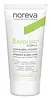
This acne treatment is formulated around Silica and Salicylic Acid to clear breakouts and balance excess oil.
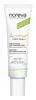
This acne treatment is formulated around Niacinamide and Hexylresorcinol to clear breakouts and calm redness.

What's inside
What's inside
 Key Ingredients
Benefits
Concerns
Ingredients Side-by-side
Water
Skin ConditioningIsoamyl Cocoate





Silica
Abrasive


Hydrolyzed Corn Starch
HumectantSteareth-2
EmulsifyingSteareth-21
CleansingSalicylic Acid
Masking





Cetearyl Alcohol
Emollient


Cocamidopropyl Dimethylamine
Emulsifying
Bakuchiol
Antimicrobial






Dimethicone
Emollient
Hydroxypropyl Starch Phosphate
Hydroxyethylcellulose
Emulsion StabilisingParfum
Masking

Benzyl Alcohol
Perfuming

Xanthan Gum
EmulsifyingSodium Hydroxide
BufferingChlorphenesin
Antimicrobial
Hydrated Silica
Abrasive
Polyquaternium-67
Disodium EDTA
ChelatingHydrolyzed Hyaluronic Acid
Humectant

Butylene Glycol
Humectant
Sodium Nitrate
SoothingGlycerin
Humectant
Sorbic Acid
Preservative
Glyoxal
Antimicrobial
10-Hydroxydecanoic Acid
Skin ConditioningSebacic Acid
Buffering1,10-Decanediol
SolventWater, Isoamyl Cocoate, Silica, Hydrolyzed Corn Starch, Steareth-2, Steareth-21, Salicylic Acid, Cetearyl Alcohol, Cocamidopropyl Dimethylamine, Bakuchiol, Dimethicone, Hydroxypropyl Starch Phosphate, Hydroxyethylcellulose, Parfum, Benzyl Alcohol, Xanthan Gum, Sodium Hydroxide, Chlorphenesin, Hydrated Silica, Polyquaternium-67, Disodium EDTA, Hydrolyzed Hyaluronic Acid, Butylene Glycol, Sodium Nitrate, Glycerin, Sorbic Acid, Glyoxal, 10-Hydroxydecanoic Acid, Sebacic Acid, 1,10-Decanediol
Water
Skin ConditioningDi-C12-13 Alkyl Malate
EmollientMethyl Methacrylate Crosspolymer
Glycerin
Humectant
Niacinamide
Smoothing
Hexylresorcinol
Antimicrobial
Ethyl Linoleate
Emollient
Micrococcus Lysate
Skin ConditioningBakuchiol
Antimicrobial
Butylene Glycol
Humectant
Sodium Acrylates Copolymer
Hydroxyethyl Acrylate/Sodium Acryloyldimethyl Taurate Copolymer
Emulsion StabilisingParfum
Masking
1,2-Hexanediol
Skin Conditioning
Caprylyl Glycol
Emollient
Ethylhexylglycerin
Skin ConditioningC12-13 Alcohols
Emollient
Caprylic/Capric Triglyceride
Masking
Lecithin
Emollient
Chlorphenesin
Antimicrobial
Citric Acid
Buffering
Polysorbate 60
Emulsifying
Sorbitan Isostearate
Emulsifying
Malic Acid
Buffering
Polysorbate 20
Emulsifying
Water, Di-C12-13 Alkyl Malate, Methyl Methacrylate Crosspolymer, Glycerin, Niacinamide, Hexylresorcinol, Ethyl Linoleate, Micrococcus Lysate, Bakuchiol, Butylene Glycol, Sodium Acrylates Copolymer, Hydroxyethyl Acrylate/Sodium Acryloyldimethyl Taurate Copolymer, Parfum, 1,2-Hexanediol, Caprylyl Glycol, Ethylhexylglycerin, C12-13 Alcohols, Caprylic/Capric Triglyceride, Lecithin, Chlorphenesin, Citric Acid, Polysorbate 60, Sorbitan Isostearate, Malic Acid, Polysorbate 20
Ingredients Explained
These ingredients are found in both products.
Ingredients higher up in an ingredient list are typically present in a larger amount.
Bakuchiol is a plant-derived antioxidant from the seeds of the Psoralea corylifolia plant. It has antimicrobial, emollient, skin conditioning, and antioxidant properties.
You'll likely see it called a "retinol replacement" but the two are technically not related. This is because bakuchiol is able to flip many of the same switches in your skin cells to tell them to:
1) produce more collagen (type I, III, and IV)
2) activate the same genes retinoids do
Unlike retinoids, this ingredient will not increase photosensitivity and is safe to use during pregnancy (but please still check in with your doctor!).
The flagship clinical trial from Dhaliwal et al. 2019 found 0.5% bakuchiol (twice daily) and 0.5% retinol (once daily) reduced wrinkles and hyperpigmentation equally, but bakuchiol had significantly less irritation.
Systematic reviews also back this up:
Bakuchiol is comparable to retinol for photoaging but with better tolerability. It also has mild antibacterial properties against Cutibacterium acnes and antifungal activity in vitro against Candida and dermatophytes.
The reason bakuchiol works well is due to its structure; it is a meroterpene phenol, or a hybrid molecule. The phenol half acts as an antioxidant while the terpene half is fat-loving. This helps the molecule slip through the skin barrier.
This ingredient is usually used between 0.5-2%. Only one case of contact dermatitis has ever been reported for this ingredient.
Learn more about BakuchiolButylene Glycol (or BG) is used within cosmetic products for a few different reasons:
Overall, Butylene Glycol is a safe and well-rounded ingredient that works well with other ingredients.
Though this ingredient works well with most skin types, some people with sensitive skin may experience a reaction such as allergic rashes, closed comedones, or itchiness.
Learn more about Butylene GlycolChlorphenesin is a synthetic preservative. It helps protect a product against bacteria in order to extend shelf life. In most cases, Chlorphenesin is paired with other preservatives such as phenoxyethanol and caprylyl glycol.
Chlorphenesin is a biocide. This means it is able to help fight the microorganisms on our skin. It is also able to fight odor-releasing bacteria.
Chlorphenesin is soluble in both water and glycerin.
Studies show Chlorphenesin is easily absorbed by our skin. You should speak with a skincare professional if you have concerns about using Chlorphenesin.
Learn more about ChlorphenesinGlycerin (or glycerol) is a compound naturally found in your skin. It's a powerhouse humectant that pulls water into the stratum corneum.
Topically, glycerin does several things at once:
Your skin makes glycerin on its own (mostly from sebaceous oil breakdown) and shuttles it to your outermost layer of skin, or your epidermis, via aquaporin-3.
Aquaporin-3 is a transporter that is essential for normal skin hydration, elasticity, and repair. Interestingly, mice lacking in AQP3 have dry and less elastic skin that can be fully corrected with glycerin.
This ingredient is non-irritating, plays well with almost every ingredient, and works across all skin types. Typical use is anywhere between 3-10% but can go up to 79% in some leave-on products.
Just know very high concentrations (>40%) can feel tacky in low humidity.
Glycerin is the name for this ingredient in American English. British English uses Glycerol/Glycerine.
Learn more about GlycerinParfum is a catch-all term for an ingredient or more that is used to give a scent to products.
Also called "fragrance", this ingredient can be a blend of hundreds of chemicals or plant oils. This means every product with "fragrance" or "parfum" in the ingredients list is a different mixture.
For instance, Habanolide is a proprietary trade name for a specific aroma chemical. When used as a fragrance ingredient in cosmetics, most aroma chemicals fall under the broad labeling category of “FRAGRANCE” or “PARFUM” according to EU and US regulations.
The term 'parfum' or 'fragrance' is not regulated in many countries. In many cases, it is up to the brand to define this term.
For instance, many brands choose to label themselves as "fragrance-free" because they are not using synthetic fragrances. However, their products may still contain ingredients such as essential oils that are considered a fragrance by INCI standards.
One example is Calendula flower extract. Calendula is an essential oil that still imparts a scent or 'fragrance'.
Depending on the blend, the ingredients in the mixture can cause allergies and sensitivities on the skin. Some ingredients that are known EU allergens include linalool and citronellol.
Parfum can also be used to mask or cover an unpleasant scent.
The bottom line is: not all fragrances/parfum/ingredients are created equally. If you are worried about fragrances, we recommend taking a closer look at an ingredient. And of course, we always recommend speaking with a professional.
Learn more about ParfumWater. It's the most common cosmetic ingredient of all. You'll usually see it at the top of ingredient lists, meaning that it makes up the largest part of the product.
So why is it so popular? Water most often acts as a solvent - this means that it helps dissolve other ingredients into the formulation.
You'll also recognize water as that liquid we all need to stay alive. If you see this, drink a glass of water. Remember to stay hydrated!
Learn more about Water

