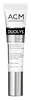
This anti-aging eye moisturizer is formulated around Ascorbyl Glucoside and Palmitoyl Tripeptide-1 to soften the look of wrinkles and fade the look of dark spots.
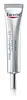
This anti-aging eye moisturizer is formulated around Sodium Hyaluronate to soften the look of wrinkles and hydrate skin.


What's inside
What's inside
 Key Ingredients
Benefits
Concerns
Ingredients Side-by-side
Water
Skin ConditioningPropanediol
Solvent

Glycerin
Humectant
Myristyl Myristate
Emollient




Glyceryl Stearate Citrate
Emollient
Cetearyl Isononanoate
Emollient
Squalane
Emollient
Xylitol
Humectant
Ascorbyl Glucoside
Antioxidant


Hesperidin Methyl Chalcone
Antioxidant
Sodium Hyaluronate
Humectant
Tocopheryl Acetate
Antioxidant
Sclerotium Gum
Emulsion StabilisingBiotin
AntiseborrhoeicSodium Benzoate
Masking
Steareth-20
CleansingPotassium Sorbate
Preservative
Chlorhexidine Digluconate
Antimicrobial
N-Hydroxysuccinimide
Skin ConditioningPalmitoyl Tripeptide-1
Skin Conditioning

Dipeptide-2
Skin Conditioning
Palmitoyl Tetrapeptide-7
Skin Conditioning
Chrysin
Skin ConditioningCitric Acid
Buffering
Sodium Hydroxide
BufferingSodium Citrate
BufferingWater, Propanediol, Glycerin, Myristyl Myristate, Glyceryl Stearate Citrate, Cetearyl Isononanoate, Squalane, Xylitol, Ascorbyl Glucoside, Hesperidin Methyl Chalcone, Sodium Hyaluronate, Tocopheryl Acetate, Sclerotium Gum, Biotin, Sodium Benzoate, Steareth-20, Potassium Sorbate, Chlorhexidine Digluconate, N-Hydroxysuccinimide, Palmitoyl Tripeptide-1, Dipeptide-2, Palmitoyl Tetrapeptide-7, Chrysin, Citric Acid, Sodium Hydroxide, Sodium Citrate
Water
Skin ConditioningGlycerin
Humectant
Butylene Glycol Dicaprylate/Dicaprate
EmollientDiethylamino Hydroxybenzoyl Hexyl Benzoate
UV Filter
Methylpropanediol
SolventSynthetic Beeswax
Emulsion Stabilising
Behenyl Alcohol
Emollient
Ethylhexyl Triazone
UV Absorber
Hydrogenated Coco-Glycerides
Emollient
Octyldodecanol
Emollient
Stearyl Alcohol
Emollient
Cetyl Palmitate
Emollient
Glyceryl Stearate Citrate
Emollient
Glycine Soja Germ Extract
EmollientAluminum Starch Octenylsuccinate
Absorbent
Bis-Ethylhexyloxyphenol Methoxyphenyl Triazine
UV Absorber
Dimethicone
Emollient
Sodium Hyaluronate
Humectant
Methyl Methacrylate Crosspolymer
Trisodium EDTA
ChelatingCarbomer
Emulsion StabilisingEthylhexylglycerin
Skin Conditioning1,2-Hexanediol
Skin Conditioning
Phenoxyethanol
Preservative
Water, Glycerin, Butylene Glycol Dicaprylate/Dicaprate, Diethylamino Hydroxybenzoyl Hexyl Benzoate, Methylpropanediol, Synthetic Beeswax, Behenyl Alcohol, Ethylhexyl Triazone, Hydrogenated Coco-Glycerides, Octyldodecanol, Stearyl Alcohol, Cetyl Palmitate, Glyceryl Stearate Citrate, Glycine Soja Germ Extract, Aluminum Starch Octenylsuccinate, Bis-Ethylhexyloxyphenol Methoxyphenyl Triazine, Dimethicone, Sodium Hyaluronate, Methyl Methacrylate Crosspolymer, Trisodium EDTA, Carbomer, Ethylhexylglycerin, 1,2-Hexanediol, Phenoxyethanol
Reviews
Ingredients Explained
These ingredients are found in both products.
Ingredients higher up in an ingredient list are typically present in a larger amount.
Glycerin (or glycerol) is a compound naturally found in your skin. It's a powerhouse humectant that pulls water into the stratum corneum.
Topically, glycerin does several things at once:
Your skin makes glycerin on its own (mostly from sebaceous oil breakdown) and shuttles it to your outermost layer of skin, or your epidermis, via aquaporin-3.
Aquaporin-3 is a transporter that is essential for normal skin hydration, elasticity, and repair. Interestingly, mice lacking in AQP3 have dry and less elastic skin that can be fully corrected with glycerin.
This ingredient is non-irritating, plays well with almost every ingredient, and works across all skin types. Typical use is anywhere between 3-10% but can go up to 79% in some leave-on products.
Just know very high concentrations (>40%) can feel tacky in low humidity.
Glycerin is the name for this ingredient in American English. British English uses Glycerol/Glycerine.
Learn more about GlycerinGlyceryl Stearate Citrate is a citric acid ester of glyceryl stearate.
It is an emulsifier, emollient, and a surfactant.
Emulsifiers help stabilize a product. It does this by preventing certain ingredients from separating. Common ingredients include oils and water, which do not mix naturally. Emulsifiers have properties that help keep ingredients such as these together.
Emollients help soothe and soften the skin. They do this by creating a protective film on your skin. This barrier helps trap moisture and keeps your skin hydrated. Emollients may be effective at treating dry or itchy skin.
Surfactants help gather oils, dirt, and other pollutants from the skin. This helps them to be easily rinsed away.
Learn more about Glyceryl Stearate CitrateSodium Hyaluronate is the salt form of hyaluronic acid. It is a long sugar chain that is naturally found in your skin, joints, and connective tissue that maintains hydration and elasticity.
In skincare, it works as a humectant. It pulls water from the environment and deeper layers of skin and binds it to the surface.
Interestingly, the size of the molecule affects its behavior:
Some clinical evidence links low molecular weight versions to improved wrinkle depth, elasticity, anti-inflammatory effects, and barrier repair.
Many serums use a blend of both weights so you can get surface hydration plus longer-lasting and deeper effects.
You'll typically see concentrations between 0.1-2% for this ingredient.
Learn more about Sodium HyaluronateWater. It's the most common cosmetic ingredient of all. You'll usually see it at the top of ingredient lists, meaning that it makes up the largest part of the product.
So why is it so popular? Water most often acts as a solvent - this means that it helps dissolve other ingredients into the formulation.
You'll also recognize water as that liquid we all need to stay alive. If you see this, drink a glass of water. Remember to stay hydrated!
Learn more about Water

