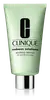
La Roche-Posay Toleriane Hydrating Gentle Cleanser Versus Clinique Redness Solutions Soothing Cleanser
This cream cleanser uses mild cleansing ingredients, but contains alcohol that may feel drying for some.
This mild cream cleanser is made to cleanse while calming and soothing your skin.


What's inside
What's inside
 Key Ingredients
Benefits
Concerns
Ingredients Side-by-side













Water
Skin ConditioningSqualane
Emollient


Glycerin
Humectant
Butylene Glycol
Humectant
Phenyl Trimethicone
Skin Conditioning
Ammonium Acryloyldimethyltaurate/Vp Copolymer
Avena Sativa Kernel Extract
Abrasive



Cucumis Sativus Fruit Extract
Emollient
Hordeum Vulgare Extract
EmollientSucrose Stearate
EmollientSea Whip Extract
Skin ConditioningCholesterol
Emollient
Helianthus Annuus Seedcake
Abrasive
Chamomilla Recutita Extract
Skin Conditioning
Acetyl Glucosamine
Skin Conditioning

Lactobacillus Ferment
Skin Conditioning
PPG-20 Methyl Glucose Ether
Skin ConditioningCaffeine
Skin Conditioning
Propylene Glycol Dicaprate
EmollientCaprylyl Glycol
Emollient
Stearic Acid
Cleansing


Sodium Chloride
MaskingDisodium EDTA
ChelatingBHT
Antioxidant
Phenoxyethanol
Preservative
Polyaminopropyl Biguanide
Preservative
CI 19140
Cosmetic ColorantCI 61570
Cosmetic ColorantCI 42090
Cosmetic ColorantWater, Squalane, Glycerin, Butylene Glycol, Phenyl Trimethicone, Ammonium Acryloyldimethyltaurate/Vp Copolymer, Avena Sativa Kernel Extract, Cucumis Sativus Fruit Extract, Hordeum Vulgare Extract, Sucrose Stearate, Sea Whip Extract, Cholesterol, Helianthus Annuus Seedcake, Chamomilla Recutita Extract, Acetyl Glucosamine, Lactobacillus Ferment, PPG-20 Methyl Glucose Ether, Caffeine, Propylene Glycol Dicaprate, Caprylyl Glycol, Stearic Acid, Sodium Chloride, Disodium EDTA, BHT, Phenoxyethanol, Polyaminopropyl Biguanide, CI 19140, CI 61570, CI 42090
Reviews
Ingredients Explained
These ingredients are found in both products.
Ingredients higher up in an ingredient list are typically present in a larger amount.
Caprylyl Glycol is a humectant, skin conditioner, emollient, and preservative booster derived from either caprylic acid or synthetically created.
Typical use levels vary from 0.3-1% as a preservative booster and go up to 2% to condition skin.
Because it is not a free-fatty acid, this ingredient is fungal acne safe (there's nothing for Malassezia to feed on).
Learn more about Caprylyl GlycolDisodium EDTA is a chelating agent. It grabs onto and deactivates metal ions that sneak into your products from water, packaging, or air.
This ingredient mainly works behind the scenes and helps with:
On top of that, this ingredient can counteract the effects of hard water by binding to the minerals in it.
One thing worth knowing is that Disodium EDTA has been shown to be a mild penetration enhancer. It can help other ingredients absorb into skin more effectively which can be a double-edged sword (great for actives, but can also make the active too strong if you have sensitive skin).
Clinical patch testing showed no significant skin irritation at typical use concentrations and minimal dermal absorption.
You'll most likely see this ingredient near the end of an ingredient list. It's typically found in concentrations less than 1%.
Learn more about Disodium EDTAGlycerin (or glycerol) is a compound naturally found in your skin. It's a powerhouse humectant that pulls water into the stratum corneum.
Topically, glycerin does several things at once:
Your skin makes glycerin on its own (mostly from sebaceous oil breakdown) and shuttles it to your outermost layer of skin, or your epidermis, via aquaporin-3.
Aquaporin-3 is a transporter that is essential for normal skin hydration, elasticity, and repair. Interestingly, mice lacking in AQP3 have dry and less elastic skin that can be fully corrected with glycerin.
This ingredient is non-irritating, plays well with almost every ingredient, and works across all skin types. Typical use is anywhere between 3-10% but can go up to 79% in some leave-on products.
Just know very high concentrations (>40%) can feel tacky in low humidity.
Glycerin is the name for this ingredient in American English. British English uses Glycerol/Glycerine.
Learn more about GlycerinChances are, you eat sodium chloride every day. Sodium Chloride is also known as table salt. This ingredient has many purposes in skincare: thickener, emulsifier, and exfoliator.
You'll most likely find this ingredient in cleansers where it is used to create a gel-like texture. As an emulsifier, it also prevents ingredients from separating.
You might see people debate whether Sodium Chloride is comedogenic, but there actually haven't been any comedogenic tests done on it. Either way, the overall formulation of a product matters a lot more than any single ingredient.
You might see this ingredient used in scrubs as a primary exfoliating ingredient.
Learn more about Sodium ChlorideWater. It's the most common cosmetic ingredient of all. You'll usually see it at the top of ingredient lists, meaning that it makes up the largest part of the product.
So why is it so popular? Water most often acts as a solvent - this means that it helps dissolve other ingredients into the formulation.
You'll also recognize water as that liquid we all need to stay alive. If you see this, drink a glass of water. Remember to stay hydrated!
Learn more about Water

