
What's inside
What's inside
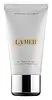 Key Ingredients
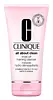
Benefits
Concerns
No concerns
Ingredients Side-by-side
Myristic Acid
Cleansing


Glycerin
Humectant

Behenic Acid
Cleansing
Palmitic Acid
Emollient
Sodium Methyl Cocoyl Taurate
Cleansing
Potassium Hydroxide
BufferingLauric Acid
Cleansing
Stearic Acid
Cleansing
Algae Extract
EmollientSesamum Indicum Seed Oil
Emollient
Medicago Sativa Seed Powder
Skin ConditioningHelianthus Annuus Seedcake
Abrasive
Prunus Amygdalus Dulcis Seed Meal
Abrasive
Eucalyptus Globulus Leaf Oil
Perfuming




Sodium Gluconate
Skin ConditioningCopper Gluconate
Skin Conditioning
Calcium Gluconate
HumectantMagnesium Gluconate
Skin ConditioningZinc Gluconate
Skin Conditioning



Tocopheryl Succinate
Antioxidant
Niacin
SmoothingSesamum Indicum Seed Powder
Skin ConditioningQuartz Powder
Abrasive
Nephrite Powder
Abrasive
Pearl Powder
Caffeine
Skin Conditioning

Maris Sal
Skin ConditioningHumic Acids
Skin ConditioningSodium Hyaluronate
Humectant

Sucrose
Humectant
Tourmaline
Macrocystis Pyrifera Protein
Skin ConditioningPolyquaternium-51
Skin Conditioning
Aloe Barbadensis Leaf Water
MaskingTrehalose
Humectant
Cellulose
Absorbent
Butylene Glycol
Humectant
Sodium Coco Pg-Dimonium Chloride Phosphate
CleansingSodium Bicarbonate
Abrasive
Sodium PCA
Humectant
PEG-3 Distearate
Emulsifying
Urea
Buffering

Parfum
Masking

Disodium EDTA
Linalool
Perfuming
Limonene
Perfuming
Phenoxyethanol
Preservative
Methylchloroisothiazolinone
Preservative
Methylisothiazolinone
Preservative
CI 19140
Cosmetic ColorantCI 15985
Cosmetic ColorantCI 42090
Cosmetic ColorantCI 61570
Cosmetic ColorantMyristic Acid, Glycerin, Behenic Acid, Palmitic Acid, Sodium Methyl Cocoyl Taurate, Potassium Hydroxide, Lauric Acid, Stearic Acid, Algae Extract, Sesamum Indicum Seed Oil, Medicago Sativa Seed Powder, Helianthus Annuus Seedcake, Prunus Amygdalus Dulcis Seed Meal, Eucalyptus Globulus Leaf Oil, Sodium Gluconate, Copper Gluconate, Calcium Gluconate, Magnesium Gluconate, Zinc Gluconate, Tocopheryl Succinate, Niacin, Sesamum Indicum Seed Powder, Quartz Powder, Nephrite Powder, Pearl Powder, Caffeine, Maris Sal, Humic Acids, Sodium Hyaluronate, Sucrose, Tourmaline, Macrocystis Pyrifera Protein, Polyquaternium-51, Aloe Barbadensis Leaf Water, Trehalose, Cellulose, Butylene Glycol, Sodium Coco Pg-Dimonium Chloride Phosphate, Sodium Bicarbonate, Sodium PCA, PEG-3 Distearate, Urea, Parfum, Disodium EDTA, Linalool, Limonene, Phenoxyethanol, Methylchloroisothiazolinone, Methylisothiazolinone, CI 19140, CI 15985, CI 42090, CI 61570
Water
Skin ConditioningPotassium Myristate
EmulsifyingGlycerin
Humectant
Potassium Behenate
CleansingSodium Methyl Cocoyl Taurate
Cleansing
Potassium Palmitate
EmulsifyingPotassium Laurate
EmulsifyingPotassium Stearate
CleansingPEG-3 Distearate
Emulsifying
Cholesteryl Hydroxystearate
EmollientButylene Glycol
Humectant
Sodium Hyaluronate
Humectant
Trisodium EDTA
Disodium EDTA
Phenoxyethanol
Preservative
Extracts
CI 60730
Cosmetic ColorantCI 14700
Cosmetic ColorantWater, Potassium Myristate, Glycerin, Potassium Behenate, Sodium Methyl Cocoyl Taurate, Potassium Palmitate, Potassium Laurate, Potassium Stearate, PEG-3 Distearate, Cholesteryl Hydroxystearate, Butylene Glycol, Sodium Hyaluronate, Trisodium EDTA, Disodium EDTA, Phenoxyethanol, Extracts, CI 60730, CI 14700
Reviews
Ingredients Explained
These ingredients are found in both products.
Ingredients higher up in an ingredient list are typically present in a larger amount.
Butylene Glycol (or BG) is used within cosmetic products for a few different reasons:
Overall, Butylene Glycol is a safe and well-rounded ingredient that works well with other ingredients.
Though this ingredient works well with most skin types, some people with sensitive skin may experience a reaction such as allergic rashes, closed comedones, or itchiness.
Learn more about Butylene GlycolDisodium EDTA is a chelating agent. It grabs onto and deactivates metal ions that sneak into your products from water, packaging, or air.
This ingredient mainly works behind the scenes and helps with:
On top of that, this ingredient can counteract the effects of hard water by binding to the minerals in it.
One thing worth knowing is that Disodium EDTA has been shown to be a mild penetration enhancer. It can help other ingredients absorb into skin more effectively which can be a double-edged sword (great for actives, but can also make the active too strong if you have sensitive skin).
Clinical patch testing showed no significant skin irritation at typical use concentrations and minimal dermal absorption.
You'll most likely see this ingredient near the end of an ingredient list. It's typically found in concentrations less than 1%.
Learn more about Disodium EDTAGlycerin (or glycerol) is a compound naturally found in your skin. It's a powerhouse humectant that pulls water into the stratum corneum.
Topically, glycerin does several things at once:
Your skin makes glycerin on its own (mostly from sebaceous oil breakdown) and shuttles it to your outermost layer of skin, or your epidermis, via aquaporin-3.
Aquaporin-3 is a transporter that is essential for normal skin hydration, elasticity, and repair. Interestingly, mice lacking in AQP3 have dry and less elastic skin that can be fully corrected with glycerin.
This ingredient is non-irritating, plays well with almost every ingredient, and works across all skin types. Typical use is anywhere between 3-10% but can go up to 79% in some leave-on products.
Just know very high concentrations (>40%) can feel tacky in low humidity.
Glycerin is the name for this ingredient in American English. British English uses Glycerol/Glycerine.
Learn more about GlycerinPEG-3 Distearate isn't fungal acne safe.
Phenoxyethanol is a preservative that has germicide, antimicrobial, and aromatic properties. Studies show that phenoxyethanol can prevent microbial growth. By itself, it has a scent that is similar to that of a rose.
It's often used in formulations along with Caprylyl Glycol to preserve the shelf life of products.
Sodium Hyaluronate is the salt form of hyaluronic acid. It is a long sugar chain that is naturally found in your skin, joints, and connective tissue that maintains hydration and elasticity.
In skincare, it works as a humectant. It pulls water from the environment and deeper layers of skin and binds it to the surface.
Interestingly, the size of the molecule affects its behavior:
Some clinical evidence links low molecular weight versions to improved wrinkle depth, elasticity, anti-inflammatory effects, and barrier repair.
Many serums use a blend of both weights so you can get surface hydration plus longer-lasting and deeper effects.
You'll typically see concentrations between 0.1-2% for this ingredient.
Learn more about Sodium HyaluronateSodium Methyl Cocoyl Taurate is a gentle, coconut-derived cleansing surfactant. It's most commonly found in "sulfate-free" cleansers.
As a taurate, it belongs to a class of anionic surfactants prized for being efficient at cleansing without harshness, good performance in hard water, stability across a wide pH range, and easily biodegradable.
It is able to lift away oil and grime and make a nice lather without stripping your skin, so it's a good pick for sensitive skin.
Safety-wise, it has a good record. The CIR Expert Panel has concluded this ingredient to be safe in cosmetics and concentrations go up to 11% in leave-on products or 13% in rinse-off products.
Despite being derived from coconut oil, this ingredient is fungal acne safe. It's a water-soluble surfactant with no fatty oils or esters left intact on skin for the Malassezia yeast to feed.
Learn more about Sodium Methyl Cocoyl Taurate
