

What's inside
What's inside
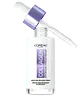 Key Ingredients
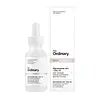
Benefits
Concerns
Ingredients Side-by-side
Water
Skin ConditioningGlycerin
Humectant



Caprylic/Capric Triglyceride
Masking
Squalane
Emollient
Propanediol
Solvent
Phenoxyethanol
Preservative
CI 77891
Cosmetic ColorantMica
Cosmetic Colorant
Salicylic Acid
Masking





Glyceryl Stearate
Emollient
PEG-100 Stearate
C14-22 Alcohols
Emulsion Stabilising
Xanthan Gum
EmulsifyingIsoamyl Laurate
Emollient
Acrylates/C10-30 Alkyl Acrylate Crosspolymer
Emulsion StabilisingChlorphenesin
Antimicrobial
Sodium Hydroxide
BufferingParfum
Masking
C12-20 Alkyl Glucoside
EmulsifyingTrisodium Ethylenediamine Disuccinate
Soluble Collagen
Humectant
Tin Oxide
Abrasive
Benzyl Alcohol
Perfuming



Citronellol
Perfuming
Benzyl Salicylate
Perfuming
Limonene
Perfuming
Linalool
Perfuming
Water, Glycerin, Caprylic/Capric Triglyceride, Squalane, Propanediol, Phenoxyethanol, CI 77891, Mica, Salicylic Acid, Glyceryl Stearate, PEG-100 Stearate, C14-22 Alcohols, Xanthan Gum, Isoamyl Laurate, Acrylates/C10-30 Alkyl Acrylate Crosspolymer, Chlorphenesin, Sodium Hydroxide, Parfum, C12-20 Alkyl Glucoside, Trisodium Ethylenediamine Disuccinate, Soluble Collagen, Tin Oxide, Benzyl Alcohol, Citronellol, Benzyl Salicylate, Limonene, Linalool





Reviews
Ingredients Explained
These ingredients are found in both products.
Ingredients higher up in an ingredient list are typically present in a larger amount.
Chlorphenesin is a synthetic preservative. It helps protect a product against bacteria in order to extend shelf life. In most cases, Chlorphenesin is paired with other preservatives such as phenoxyethanol and caprylyl glycol.
Chlorphenesin is a biocide. This means it is able to help fight the microorganisms on our skin. It is also able to fight odor-releasing bacteria.
Chlorphenesin is soluble in both water and glycerin.
Studies show Chlorphenesin is easily absorbed by our skin. You should speak with a skincare professional if you have concerns about using Chlorphenesin.
Learn more about ChlorphenesinPhenoxyethanol is a preservative that has germicide, antimicrobial, and aromatic properties. Studies show that phenoxyethanol can prevent microbial growth. By itself, it has a scent that is similar to that of a rose.
It's often used in formulations along with Caprylyl Glycol to preserve the shelf life of products.
Water. It's the most common cosmetic ingredient of all. You'll usually see it at the top of ingredient lists, meaning that it makes up the largest part of the product.
So why is it so popular? Water most often acts as a solvent - this means that it helps dissolve other ingredients into the formulation.
You'll also recognize water as that liquid we all need to stay alive. If you see this, drink a glass of water. Stay hydrated!
Learn more about WaterXanthan gum is used as a stabilizer and thickener within cosmetic products. It helps give products a sticky, thick feeling - preventing them from being too runny.
On the technical side of things, xanthan gum is a polysaccharide - a combination consisting of multiple sugar molecules bonded together.
Xanthan gum is a pretty common and great ingredient. It is a natural, non-toxic, non-irritating ingredient that is also commonly used in food products.
Learn more about Xanthan Gum
