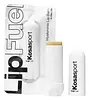
This barrier-repair lip moisturizer is formulated around Ricinus Communis Seed Oil and Simmondsia Chinensis Seed Oil to strengthen the lip barrier and hydrate lips.
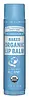
This barrier-repair lip moisturizer is formulated around Persea Gratissima Oil and Simmondsia Chinensis Seed Oil to strengthen the lip barrier and hydrate lips.

What's inside
What's inside
 Key Ingredients
Benefits
Concerns
Ingredients Side-by-side
Ricinus Communis Seed Oil
Masking




Caprylic/Capric Triglyceride
Masking

Euphorbia Cerifera Cera
Astringent
Bis-Diglyceryl Polyacyladipate-2
Emollient
Mica
Cosmetic ColorantSilica
Abrasive


Octyldodecanol
Emollient
Lanolin Oil
Emollient

Jojoba Esters
Emollient
Pentaerythrityl Tetraethylhexanoate
Emollient
Helianthus Annuus Seed Cera
Emollient
Beeswax
Emulsion Stabilising
Copernicia Cerifera Wax
Camellia Oleifera Seed Oil
Skin Conditioning
Theobroma Cacao Seed Butter
Emollient
Vitis Vinifera Seed Oil
Emollient
Acacia Decurrens Flower Cera
Emollient
Butyrospermum Parkii Butter
Skin Conditioning
Caprylyl Glycol
Emollient
Carthamus Tinctorius Seed Oil
Masking
Ethylhexyl Palmitate
Emollient
Ethylhexylglycerin
Skin ConditioningGlucomannan
Skin ConditioningHelianthus Annuus Extract
Emollient
Mangifera Indica Seed Butter
Skin Conditioning
Mentha Arvensis Leaf Oil
Masking
Oryza Sativa Bran Extract
Skin Conditioning
Persea Gratissima Oil
Skin Conditioning
Polyglycerin-3
Humectant
Rosa Canina Fruit Oil
Emollient
Rosmarinus Officinalis Leaf Extract
AntimicrobialSimmondsia Chinensis Seed Oil
Emollient
Sodium Hyaluronate
Humectant

Tocopherol
Antioxidant



Tocopheryl Acetate
Antioxidant
Trihydroxystearin
Skin Conditioning
Limonene
Perfuming
CI 77891
Cosmetic ColorantCI 15850
Cosmetic ColorantCI 77491
Cosmetic ColorantCI 77492
Cosmetic ColorantCI 77499
Cosmetic ColorantCI 73360
Cosmetic ColorantRicinus Communis Seed Oil, Caprylic/Capric Triglyceride, Euphorbia Cerifera Cera, Bis-Diglyceryl Polyacyladipate-2, Mica, Silica, Octyldodecanol, Lanolin Oil, Jojoba Esters, Pentaerythrityl Tetraethylhexanoate, Helianthus Annuus Seed Cera, Beeswax, Copernicia Cerifera Wax, Camellia Oleifera Seed Oil, Theobroma Cacao Seed Butter, Vitis Vinifera Seed Oil, Acacia Decurrens Flower Cera, Butyrospermum Parkii Butter, Caprylyl Glycol, Carthamus Tinctorius Seed Oil, Ethylhexyl Palmitate, Ethylhexylglycerin, Glucomannan, Helianthus Annuus Extract, Mangifera Indica Seed Butter, Mentha Arvensis Leaf Oil, Oryza Sativa Bran Extract, Persea Gratissima Oil, Polyglycerin-3, Rosa Canina Fruit Oil, Rosmarinus Officinalis Leaf Extract, Simmondsia Chinensis Seed Oil, Sodium Hyaluronate, Tocopherol, Tocopheryl Acetate, Trihydroxystearin, Limonene, CI 77891, CI 15850, CI 77491, CI 77492, CI 77499, CI 73360
Reviews
Ingredients Explained
These ingredients are found in both products.
Ingredients higher up in an ingredient list are typically present in a larger amount.
Beeswax is natural wax produced by honey bees to build their honeycomb.
Because it forms a protective layer on your skin, it can help lock in moisture and reduce water loss. It is also widely used as a thickener and emulsifier in lip balms and lotions. Research suggests beeswax containing moisturizers can support skin barrier integrity.
In comedogenic testing, Beeswax scored a 0-2, which is on the low end. Whether or not a product clogs your pores really comes down to the formula as a whole (not any single ingredient on its own) and your skin.
Cera Alba is the white, bleached form of this ingredient.
Just so you know, beeswax is not vegan since it is animal-derived. It cannot be removed with water, but can be taken off with an oil cleanser.
People with a known Propolis allergy also report to have reactions from beeswax.
Beeswax's wax esters are derived primarily from palmitic and oleic acid (C16 and C18:1). Both of these fall within the C11-C24 feeding window.
The Malassezia yeast can potentially cleave these esters and release usable fatty acids, so this ingredient may not be fungal acne safe. However, not everyone will react to this ingredient.
Learn more about BeeswaxThis ingredient is also known as Avocado oil. It's the cold-pressed oil from the flesh of the avocado fruit packed with fatty acids (mostly oleic acid).
The rich fatty acid profile allows it to function as a skin conditioning agent and emollient; it helps soften and smooth skin while reducing water loss.
Preclinical research has found that topical avocado oil increased collagen synthesis and reduced inflammation during wound healing, giving it some skin-repairing credibility.
The unsaponifiable fraction of the oil is also interesting: studies on avocado unsaponifiables showed that it helped skin produce more collagen and other structural compounds that support healing.
The CIR Expert Panel has found this ingredient to be non-irritating in formulations.
This ingredient may not be fungal acne safe. This is because the oleic acid content falls within the range that Malassezia can use as a food source.
This ingredient does have a comedogenic rating of 0-3, but this doesn't mean a formula with this ingredient will clog pores. Human testing has proved that any finished product with a comedogenic ingredient won't automatically make you break out; it really comes down to concentration, formula, and your skin.
Learn more about Persea Gratissima OilJojoba oil is one of the most well-studied plant-derived ingredients in cosmetics. It is an emollient with a special structure.
Because it is made up of 97-98% wax esters, it closely mirrors the linear monoesters found in human sebum. This makes it skin compatible, non-greasy, and lightweight.
Unlike other plant oils, jojoba wax doesn't easily penetrate skin. It mostly works in the uppermost layers as an emollient. This just means it forms a light barrier on the skin to help retain moisture.
Formulations with jojoba esters up to 90% reduced transepidermal water loss (TEWL) and increased barrier recovery by 81% (outperforming bisabolol at 47%).
Besides barrier support, the science also suggests jojoba to have anti-inflammatory effects and potential applications for skin infections, aging, and wound healing.
Fun fact: Indigenous cultures have used jojoba as a moisturizer and to help treat burns for centuries.
Fungal acne: The Malassezia yeast is known to metabolize fatty acids in the C11-24 range and jojoba's dominant fatty acid components fall into this range. This ingredient may not be fungal acne safe.
Learn more about Simmondsia Chinensis Seed OilTocopherol is a fat-soluble antioxidant known as Vitamin E.
You'll find this ingredient in the vast majority of skincare (for good reason). It works to neutralize free radicals, or unstable molecules generated by UV exposure, pollution, and other environmental stressors, before they can cause oxidative damage to your skin cells.
Topically applied tocopherol has been shown to protect against UV damage by ramping up the skin's own natural defense enzymes.
It also acts as a skin conditioning agent; some studies show that regular topical use can improve the skin's water-binding capacity over 2-4 weeks.
This ingredient is especially loved for being a team player. When combined with Vitamin C, the photoprotective effect of both ingredients roughly doubles and the combo also helps reduce UV-induced DNA damage.
This ingredient has some brightening potential but it's more of a prevention ingredient than spot-fader. Cell studies show it can slow down melanin production but it's worth noting that it's not the most powerful brightener out there.
In formulations, it also serves as a stabilizer that helps protect other oxidation-prone ingredients from degrading.
Concentrations usually range from 0.1-1% in most leave-on products.
Learn more about Tocopherol

