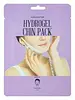
This anti-aging sheet mask is formulated around Niacinamide and Adenosine to soften the look of wrinkles.
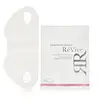
This anti-aging sheet mask is formulated around Acetyl Hexapeptide-8 and Copper Tripeptide-1 to soften the look of wrinkles.


What's inside
What's inside
 Key Ingredients
Benefits
Concerns
Ingredients Side-by-side
Water
Skin ConditioningGlycerin
Humectant


Dipropylene Glycol
HumectantAgar
MaskingNiacinamide
Smoothing









Sodium Polyacrylate
Absorbent
Polyacrylic Acid
Emulsion StabilisingXanthan Gum
EmulsifyingPhenoxyethanol
Preservative
Disodium EDTA
ChelatingCellulose Gum
Emulsion StabilisingTartaric Acid
Buffering


Butylene Glycol
Humectant
Caprylyl/Capryl Glucoside
CleansingAdenosine
Skin Conditioning
Centella Asiatica Extract
Cleansing
Parfum
Masking


Aluminum Glycinate
AstringentHydrolyzed Corn Protein
Skin Conditioning1,2-Hexanediol
Skin Conditioning
Litchi Chinensis Fruit Extract
Skin ConditioningFucus Vesiculosus Extract
Emollient
Prunella Vulgaris Extract
Antioxidant
Dipeptide Diaminobutyroyl Benzylamide Diacetate
Skin Conditioning
Caprylyl Glycol
Emollient
Hydrolyzed Collagen
Emollient
Acetyl Hexapeptide-8
Humectant
Water, Glycerin, Dipropylene Glycol, Agar, Niacinamide, Sodium Polyacrylate, Polyacrylic Acid, Xanthan Gum, Phenoxyethanol, Disodium EDTA, Cellulose Gum, Tartaric Acid, Butylene Glycol, Caprylyl/Capryl Glucoside, Adenosine, Centella Asiatica Extract, Parfum, Aluminum Glycinate, Hydrolyzed Corn Protein, 1,2-Hexanediol, Litchi Chinensis Fruit Extract, Fucus Vesiculosus Extract, Prunella Vulgaris Extract, Dipeptide Diaminobutyroyl Benzylamide Diacetate, Caprylyl Glycol, Hydrolyzed Collagen, Acetyl Hexapeptide-8
Water
Skin ConditioningGlycerin
Humectant
Sodium Polyacrylate
Absorbent
Sorbitol
Humectant
Ricinus Communis Seed Oil
Masking

Cellulose Gum
Emulsion StabilisingKaolin
Abrasive
Triethylhexanoin
MaskingPolyacrylic Acid
Emulsion StabilisingTrifluoroacetyl Tripeptide-2
Skin Conditioning
Acetyl Hexapeptide-8
Humectant
Copper Tripeptide-1
Skin Conditioning
Oligopeptide-29
Antioxidant
Oligopeptide-32
Antiseborrhoeic
Palmitoyl Pentapeptide-4
Skin Conditioning
Hexapeptide-9
Skin Conditioning
Sodium Hyaluronate
Humectant
Acorus Calamus Root Extract
Perfuming
Perilla Ocymoides Leaf Extract
TonicAllantoin
Skin Conditioning
Hydroxyacetophenone
Antioxidant
Natto Gum
Ethylhexylglycerin
Skin Conditioning1,2-Hexanediol
Skin Conditioning
Butylene Glycol
Humectant
Tartaric Acid
Buffering
Aluminum Glycinate
AstringentDisodium EDTA
ChelatingCI 77891
Cosmetic ColorantWater, Glycerin, Sodium Polyacrylate, Sorbitol, Ricinus Communis Seed Oil, Cellulose Gum, Kaolin, Triethylhexanoin, Polyacrylic Acid, Trifluoroacetyl Tripeptide-2, Acetyl Hexapeptide-8, Copper Tripeptide-1, Oligopeptide-29, Oligopeptide-32, Palmitoyl Pentapeptide-4, Hexapeptide-9, Sodium Hyaluronate, Acorus Calamus Root Extract, Perilla Ocymoides Leaf Extract, Allantoin, Hydroxyacetophenone, Natto Gum, Ethylhexylglycerin, 1,2-Hexanediol, Butylene Glycol, Tartaric Acid, Aluminum Glycinate, Disodium EDTA, CI 77891
Reviews
Ingredients Explained
These ingredients are found in both products.
Ingredients higher up in an ingredient list are typically present in a larger amount.
1,2-Hexanediol is a synthetic liquid and another multi-functional powerhouse.
It is a:
- Humectant, drawing moisture into the skin
- Emollient, helping to soften skin
- Solvent, dispersing and stabilizing formulas
- Preservative booster, enhancing the antimicrobial activity of other preservatives
Acetyl Hexapeptide-8 (also known as Argireline) is a synthetic hexapeptide that is often called a "topical Botox alternative".
It works by mimicking how Botox relaxes muscles; it interferes with the signaling process that tells your facial muscles to contract. This can help soften expression lines like forehead wrinkles or crow's feet over time.
The comparison to Botox does have limits because the molecule is water-loving and relatively large.
Acetyl Hexapeptide-8 has a hard time absorbing deeply enough through the skin's outer barrier to actually reach the muscles.
So whether it truly works the way Botox does at a biological level is still up for debate, but early clinical outcomes are fairly encouraging.
A 12 week human study of a multi-ingredient regimen containing this ingredient saw:
While some studies have observed improvements in wrinkle appearance, it is important to note that more consistent results are seen in multi-ingredient formulations (vs just Acetyl Hexapeptide-8 alone).
Some research studies also used higher concentrations (up to 10%) while this ingredient is usually found in concentrations up to 0.005% in leave-on formulations.
Learn more about Acetyl Hexapeptide-8We don't have a description for Aluminum Glycinate yet.
Butylene Glycol (or BG) is used within cosmetic products for a few different reasons:
Overall, Butylene Glycol is a safe and well-rounded ingredient that works well with other ingredients.
Though this ingredient works well with most skin types, some people with sensitive skin may experience a reaction such as allergic rashes, closed comedones, or itchiness.
Learn more about Butylene GlycolCellulose Gum is a water-soluble polymer that comes from cellulose. It is used to change the texture of a product and to help stabilize emulsions.
As an emulsifier, cellulose gum specifically thicken the texture of water-based products.
This ingredient is considered hypoallergenic and non-toxic. Cellulose Gum can be found in cosmetics, food, and other household goods such as paper products.
Learn more about Cellulose GumDisodium EDTA is a chelating agent. It grabs onto and deactivates metal ions that sneak into your products from water, packaging, or air.
This ingredient mainly works behind the scenes and helps with:
On top of that, this ingredient can counteract the effects of hard water by binding to the minerals in it.
One thing worth knowing is that Disodium EDTA has been shown to be a mild penetration enhancer. It can help other ingredients absorb into skin more effectively which can be a double-edged sword (great for actives, but can also make the active too strong if you have sensitive skin).
Clinical patch testing showed no significant skin irritation at typical use concentrations and minimal dermal absorption.
You'll most likely see this ingredient near the end of an ingredient list. It's typically found in concentrations less than 1%.
Learn more about Disodium EDTAGlycerin (or glycerol) is a compound naturally found in your skin. It's a powerhouse humectant that pulls water into the stratum corneum.
Topically, glycerin does several things at once:
Your skin makes glycerin on its own (mostly from sebaceous oil breakdown) and shuttles it to your outermost layer of skin, or your epidermis, via aquaporin-3.
Aquaporin-3 is a transporter that is essential for normal skin hydration, elasticity, and repair. Interestingly, mice lacking in AQP3 have dry and less elastic skin that can be fully corrected with glycerin.
This ingredient is non-irritating, plays well with almost every ingredient, and works across all skin types. Typical use is anywhere between 3-10% but can go up to 79% in some leave-on products.
Just know very high concentrations (>40%) can feel tacky in low humidity.
Glycerin is the name for this ingredient in American English. British English uses Glycerol/Glycerine.
Learn more about GlycerinWe don't have a description for Polyacrylic Acid yet.
Sodium Polyacrylate is the sodium salt of polyacrylic acid. It is used as an absorber, emollient, and stabilizer.
This ingredient is a super-absorbent polymer - meaning it can absorb 100 to 1000 times its mass in water. As an emollient, Sodium Polyacrylate helps soften and soothe skin. Emollients work by creating a barrier to trap moisture in. This helps keep your skin hydrated.
Tartaric acid is an AHA with exfoliating and antioxidant properties. It is found in many fruits, such as tamarind, grapes, bananas, and avocados.
AHAs provide chemical exfoliation, helping to improve skin tone and texture.
Tartaric acid is not as well studied as other AHAs, such as glycolic acid.
Learn more about Tartaric AcidWater. It's the most common cosmetic ingredient of all. You'll usually see it at the top of ingredient lists, meaning that it makes up the largest part of the product.
So why is it so popular? Water most often acts as a solvent - this means that it helps dissolve other ingredients into the formulation.
You'll also recognize water as that liquid we all need to stay alive. If you see this, drink a glass of water. Remember to stay hydrated!
Learn more about Water

