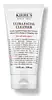
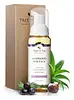
Kiehl's Ultra Facial Cleanser Versus Tree to Tub Hydrating Foam Facial Cleanser for Dry, Sensitive Skin - Lavender
This mild foaming makeup remover is made to dissolve makeup, sunscreen, and daily buildup.

What's inside
What's inside
 Key Ingredients
No key ingredients
Benefits
Concerns
Ingredients Side-by-side
Water
Skin ConditioningSodium Laureth Sulfate
Cleansing



Decyl Glucoside
Cleansing
Glycerin
Humectant


Cocamidopropyl Betaine
Cleansing
Disodium Cocoamphodiacetate
CleansingAcrylates Copolymer
Lauryl Glucoside
CleansingPEG-200 Hydrogenated Glyceryl Palmate
Cleansing
Triethanolamine
BufferingSodium Chloride
MaskingPentylene Glycol
Skin Conditioning
Phenoxyethanol
Preservative
PEG-7 Glyceryl Cocoate
Emulsifying
Sodium Hydroxide
BufferingCitric Acid
Buffering

Hexylene Glycol
EmulsifyingBehenyl Alcohol
Emollient
Distearyl Ether
Skin ConditioningSodium Benzoate
Masking
Laureth-2
CleansingSqualane
Emollient
Prunus Amygdalus Dulcis Oil
Skin Conditioning

Prunus Armeniaca Kernel Oil
Masking
Tocopherol
Antioxidant



Ascorbyl Glucoside
Antioxidant
Persea Gratissima Oil
Skin Conditioning
Water, Sodium Laureth Sulfate, Decyl Glucoside, Glycerin, Cocamidopropyl Betaine, Disodium Cocoamphodiacetate, Acrylates Copolymer, Lauryl Glucoside, PEG-200 Hydrogenated Glyceryl Palmate, Triethanolamine, Sodium Chloride, Pentylene Glycol, Phenoxyethanol, PEG-7 Glyceryl Cocoate, Sodium Hydroxide, Citric Acid, Hexylene Glycol, Behenyl Alcohol, Distearyl Ether, Sodium Benzoate, Laureth-2, Squalane, Prunus Amygdalus Dulcis Oil, Prunus Armeniaca Kernel Oil, Tocopherol, Ascorbyl Glucoside, Persea Gratissima Oil





Reviews
Ingredients Explained
These ingredients are found in both products.
Ingredients higher up in an ingredient list are typically present in a larger amount.
Decyl Glucoside is a plant-derived surfactant and emulsion stabilizer. It is created by reacting glucose with the fatty acids from plants.
Like all surfactants, it works by lowering the surface tension between water and oil. This makes it so that dirt, sebum, and makeup can be lifted off your skin and rinsed away. It also produces a dense and creamy foam.
Because it has a neutral charge, it is compatible with a wide range of ingredients and stays stable across a broad pH range/water hardiness conditions.
Patch testing has shown it to have the lowest irritation potential among common cleansing surfactants (like SLS).
Typical use levels range from 5-20% in rinse-off cleansers.
One thing worth knowing: The American Contact Dermatitis Society named the parent family, alkyl glucosides, "Allergen of the Year" in 2017. The prevalence of allergy is pretty low but be sure to patch test if you've reacted to "gentle" or sulfate-free cleansers before.
This ingredient is fungal acne safe because the fatty alcohol portion of this ingredient is not within the C11-24 chain length that Malassezia can metabolize.
Learn more about Decyl Glucoside

