Kate Somerville MEGA-C™ 30% Vitamin C Brightening Mask Versus Farmacy Honey Potion Plus Ceramide Hydration Mask
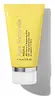
This wash off mask is made with Ascorbic Acid and Glycyrrhiza Glabra Root Extract for a rinse-off brightening boost.
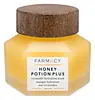
This wash off mask is made with Niacinamide and Honey Extract for a rinse-off hydration boost.

What's inside
What's inside
 Key Ingredients
Benefits
Concerns
Ingredients Side-by-side
Dimethicone
Emollient

Ascorbic Acid
Antioxidant





Polysilicone-11

PEG-10 Dimethicone
Skin Conditioning
Hippophae Rhamnoides Fruit Oil
Skin Protecting




Divinyldimethicone/Dimethicone/Phenylsilsesquioxane Crosspolymer
Carthamus Tinctorius Seed Oil
Masking
Brassica Campestris Seed Oil
Skin Conditioning
Bisabolol
Antioxidant

Glycyrrhiza Glabra Root Extract
Bleaching
Citrus Aurantium Dulcis Peel Oil
Masking
Niacinamide
Smoothing


Mentha Viridis Leaf Oil
Astringent
Pogostemon Cablin Leaf Oil
Masking
Zingiber Officinale Root Extract
Masking
Ceramide NP
Skin Conditioning
Caprylic/Capric Triglyceride
Masking
Polyglyceryl-3 Diisostearate
Emulsifying


Ubiquinone
Antioxidant
Astragalus Membranaceus Root Extract
Emollient
Spilanthes Acmella Flower/Leaf/Stem Extract
AntimicrobialAlthaea Officinalis Root Extract
Skin Conditioning
Oryza Sativa Bran Extract
Skin Conditioning
Rosmarinus Officinalis Leaf Extract
AntimicrobialLimonene
Perfuming
Dimethicone, Ascorbic Acid, Polysilicone-11, PEG-10 Dimethicone, Hippophae Rhamnoides Fruit Oil, Divinyldimethicone/Dimethicone/Phenylsilsesquioxane Crosspolymer, Carthamus Tinctorius Seed Oil, Brassica Campestris Seed Oil, Bisabolol, Glycyrrhiza Glabra Root Extract, Citrus Aurantium Dulcis Peel Oil, Niacinamide, Mentha Viridis Leaf Oil, Pogostemon Cablin Leaf Oil, Zingiber Officinale Root Extract, Ceramide NP, Caprylic/Capric Triglyceride, Polyglyceryl-3 Diisostearate, Ubiquinone, Astragalus Membranaceus Root Extract, Spilanthes Acmella Flower/Leaf/Stem Extract, Althaea Officinalis Root Extract, Oryza Sativa Bran Extract, Rosmarinus Officinalis Leaf Extract, Limonene
Glycerin
Humectant
Diglycerin
Humectant
Polyglyceryl-10 Stearate
Skin Conditioning
Pyrus Malus Fruit Extract
Skin Conditioning
Polyglycerin-3
Humectant
Niacinamide
Smoothing
Honey Extract
Humectant
Panthenol
Skin Conditioning
Centella Asiatica Extract
Cleansing
Ceramide NP
Skin Conditioning
Phytosterols
Skin Conditioning
Allantoin
Skin Conditioning
Propolis Extract
Skin Conditioning
Royal Jelly Extract
Skin Conditioning
Zingiber Officinale Root Extract
Masking
Aroma

Hippophae Rhamnoides Oil
Emollient
Glyceryl Dioleate
Emollient
Polyglycerin-4
HumectantPropanediol
Solvent
Triolein
Skin Conditioning
Phenoxyethanol
Preservative
Water
Skin ConditioningGlycerin, Diglycerin, Polyglyceryl-10 Stearate, Pyrus Malus Fruit Extract, Polyglycerin-3, Niacinamide, Honey Extract, Panthenol, Centella Asiatica Extract, Ceramide NP, Phytosterols, Allantoin, Propolis Extract, Royal Jelly Extract, Zingiber Officinale Root Extract, Aroma, Hippophae Rhamnoides Oil, Glyceryl Dioleate, Polyglycerin-4, Propanediol, Triolein, Phenoxyethanol, Water
Reviews
Alternatives
Ingredients Explained
These ingredients are found in both products.
Ingredients higher up in an ingredient list are typically present in a larger amount.
Ceramide NP (formerly known as Ceramide 3) is one of the skin's naturally occurring lipids.
Since ceramides are the major lipid components of the skin, they are crucial for maintaining skin barrier and hydration. Ceramide NP most closely mirrors the dominant kind in human skin amongst ceramide subtypes.
This ceramide works by slotting into gaps within the stratum corneum's lipid matrix to limit trans-epidermal water loss (TEWL) and shield the skin against external irritants.
A study with 312 patients found that using a ceramide-containing routine for 4 weeks reduced the severity of atopic dermatitis by over 61%.
Another clinical study in subjects aged 60 and older found that a ceramide body wash and moisturizer improved skin dryness and itchy skin in 15 days.
Overall, ceramides are considered non-irritating and safety tests have found little to no observable adverse effects from using this ingredient.
Ceramide NP is usually sourced from plants (like soybean or rice bran), or produced synthetically.
Learn more about Ceramide NPNiacinamide is a multitasking form of vitamin B3 that strengthens the skin barrier, reduces pores and dark spots, regulates oil, and improves signs of aging.
And the best part? It's gentle and well-tolerated by most skin types, including sensitive and reactive skin.
You might have heard of "niacin flush", or the reddening of skin that causes itchiness. Niacinamide has not been found to cause this.
In very rare cases, some individuals may not be able to tolerate niacinamide at all or experience an allergic reaction to it.
If you are experiencing flaking, irritation, and dryness with this ingredient, be sure to double check all your products as this ingredient can be found in all categories of skincare.
When incorporating niacinamide into your routine, look out for concentration amounts. Typically, 5% niacinamide provides benefits such as fading dark spots. However, if you have sensitive skin, it is better to begin with a smaller concentration.
When you apply niacinamide to your skin, your body converts it into nicotinamide adenine dinucleotide (NAD). NAD is an essential coenzyme that is already found in your cells as "fuel" and powers countless biological processes.
In your skin, NAD helps repair cell damage, produce new healthy cells, support collagen production, strengthen the skin barrier, and fight environmental stressors (like UV and pollution).
Our natural NAD levels start to decline with age, leading to slower skin repair, visible aging, and a weaker skin barrier. By providing your skin niacinamide, you're recharging your skin's NAD levels. This leads to stronger, healthier, and younger looking skin.
Another name for vitamin B3 is nicotinamide. This vitamin is water-soluble and our bodies don't store it. We obtain Vitamin B3 from either food or skincare. Meat, fish, wheat, yeast, and leafy greens contain vitamin B3.
The type of niacinamide used in skincare is synthetically created.
Learn more about NiacinamideZingiber Officinale is more commonly known as ginger.
Ginger root has antioxidant, anti-inflammation, and antimicrobial properties.
The antioxidant properties help protect your body from free-radicals. Free-radicals are molecules that may damage your skin cells. As a result, ginger may help slow down signs of aging such as hyperpigmentation and wrinkles.
Studies show ginger inhibits the enzyme that breaks down collagen. It also helps with:
This ingredient has no negative side-effects and is safe to use unless one has a specific allergy to it.
Ginger originates from Southeast Asia but has spread throughout the world. It is now a common spice used in many cultures.
Learn more about Zingiber Officinale Root Extract

