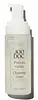
This mild foaming cleanser is made to cleanse while calming and soothing your skin.
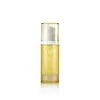
This mild gel cleanser is made to cleanse while calming and soothing your skin.

What's inside
What's inside
 Key Ingredients
Benefits
Ingredients Side-by-side
Propolis Extract 58.92%
Skin Conditioning




Decyl Glucoside
Cleansing
Dimethyl Sulfone
SolventPanthenol 5%
Skin Conditioning

Honey Extract
Humectant
Butylene Glycol
Humectant
Glycerin
Humectant
1,2-Hexanediol
Skin Conditioning
Dipropylene Glycol
HumectantSodium Hyaluronate
Humectant

Ceramide NP
Skin Conditioning
Cholesterol
Emollient
Citric Acid
Buffering


Caprylyl Glycol
Emollient
Water
Skin ConditioningCaprylic/Capric Triglyceride
Masking
Hydrogenated Lecithin
Emulsifying
Sodium Citrate
BufferingHydroxyacetophenone
Antioxidant
Propolis Extract 58.92%, Decyl Glucoside, Dimethyl Sulfone, Panthenol 5%, Honey Extract, Butylene Glycol, Glycerin, 1,2-Hexanediol, Dipropylene Glycol, Sodium Hyaluronate, Ceramide NP, Cholesterol, Citric Acid, Caprylyl Glycol, Water, Caprylic/Capric Triglyceride, Hydrogenated Lecithin, Sodium Citrate, Hydroxyacetophenone
Water
Skin ConditioningPropolis Extract
Skin Conditioning
Potassium Cocoyl Glutamate
Surfactant
Tea-Cocoyl Glutamate
Cleansing
Acrylates Copolymer
Sodium Cocoyl Glutamate
Cleansing
Glycerin
Humectant
Butylene Glycol
Humectant
1,2-Hexanediol
Skin Conditioning
Potassium Cocoyl Hydrolyzed Oat Protein
Skin Conditioning
Olea Europaea Leaf Extract
Perfuming
Quercus Mongolica Bark Extract
Gold
Cosmetic ColorantAstragalus Membranaceus Root Extract
Emollient
Coptis Chinensis Root Extract
Antioxidant
Panthenol
Skin Conditioning
Allantoin
Skin Conditioning
Houttuynia Cordata Extract
Skin Conditioning
Pueraria Lobata Root Extract
HumectantScutellaria Baicalensis Root Extract
Astringent
Lactobacillus Ferment Filtrate
Skin ConditioningChamomilla Recutita Oil
Masking
Citrus Aurantium Dulcis Peel Oil
Masking
Disodium EDTA
ChelatingGlyceryl Caprylate
EmollientHydroxyacetophenone
Antioxidant
Water, Propolis Extract, Potassium Cocoyl Glutamate, Tea-Cocoyl Glutamate, Acrylates Copolymer, Sodium Cocoyl Glutamate, Glycerin, Butylene Glycol, 1,2-Hexanediol, Potassium Cocoyl Hydrolyzed Oat Protein, Olea Europaea Leaf Extract, Quercus Mongolica Bark Extract, Gold, Astragalus Membranaceus Root Extract, Coptis Chinensis Root Extract, Panthenol, Allantoin, Houttuynia Cordata Extract, Pueraria Lobata Root Extract, Scutellaria Baicalensis Root Extract, Lactobacillus Ferment Filtrate, Chamomilla Recutita Oil, Citrus Aurantium Dulcis Peel Oil, Disodium EDTA, Glyceryl Caprylate, Hydroxyacetophenone
Reviews
Ingredients Explained
These ingredients are found in both products.
Ingredients higher up in an ingredient list are typically present in a larger amount.
1,2-Hexanediol is a synthetic liquid and another multi-functional powerhouse.
It is a:
- Humectant, drawing moisture into the skin
- Emollient, helping to soften skin
- Solvent, dispersing and stabilizing formulas
- Preservative booster, enhancing the antimicrobial activity of other preservatives
Butylene Glycol (or BG) is used within cosmetic products for a few different reasons:
Overall, Butylene Glycol is a safe and well-rounded ingredient that works well with other ingredients.
Though this ingredient works well with most skin types, some people with sensitive skin may experience a reaction such as allergic rashes, closed comedones, or itchiness.
Learn more about Butylene GlycolGlycerin (or glycerol) is a compound naturally found in your skin. It's a powerhouse humectant that pulls water into the stratum corneum.
Topically, glycerin does several things at once:
Your skin makes glycerin on its own (mostly from sebaceous oil breakdown) and shuttles it to your outermost layer of skin, or your epidermis, via aquaporin-3.
Aquaporin-3 is a transporter that is essential for normal skin hydration, elasticity, and repair. Interestingly, mice lacking in AQP3 have dry and less elastic skin that can be fully corrected with glycerin.
This ingredient is non-irritating, plays well with almost every ingredient, and works across all skin types. Typical use is anywhere between 3-10% but can go up to 79% in some leave-on products.
Just know very high concentrations (>40%) can feel tacky in low humidity.
Glycerin is the name for this ingredient in American English. British English uses Glycerol/Glycerine.
Learn more about GlycerinHydroxyacetophenone is a small phenolic molecule that earns its place in a formulas as an antioxidant and preservative booster.
As a phenol, it is able to neutralize free radicals to protect both the product and the skin from oxidative stress.
Though it can't kill microbes on its own, it works as a good supporting agent when combined with other preservatives like Phenoxyethanol or 1,2-Hexanediol.
This ingredient naturally occurs as piceol in Norwegian spruce needles (~0.4-1.1% dry weight and in cloudberries). Though the cosmetic-grade material is synthesized for purity and consistency.
You'll usually see it used at low levels and suppliers recommend up to 1% added to a water phase.
Safety testing was done at concentrations like 0.05% in SPF products and 0.5% in a Human Repeated Insult Patch Test. The safety evidence is assuring; this ingredient is safe for cosmetics in current use and also holds safety status as a food flavoring as well.
An honest caveat: the "soothing" and "anti-inflammatory" claims come mostly from supplier marketing rather than published clinical trials. The Cosmetic Ingredient Review's own literature search found no useful efficacy studies on this ingredient.
So the antioxidant and preservative-boosting roles are the well supported ones while the calming benefit is plausible but thinly evidenced.
Overall, this is a well-tolerated, low-irritation multitasker that quietly helps a formula stay fresh and stable.
Learn more about HydroxyacetophenonePanthenol is a common ingredient that helps hydrate and soothe the skin. It is found naturally in our skin and hair.
There are two forms of panthenol: D and L.
D-panthenol is also known as dexpanthenol. Most cosmetics use dexpanthenol or a mixture of D and L-panthenol.
Panthenol is famous due to its ability to go deeper into the skin's layers. Using this ingredient has numerous pros (and no cons):
Like hyaluronic acid, panthenol is a humectant. Humectants are able to bind and hold large amounts of water to keep skin hydrated.
This ingredient works well for wound healing. It works by increasing tissue in the wound and helps close open wounds.
Once oxidized, panthenol converts to pantothenic acid. Panthothenic acid is found in all living cells.
This ingredient is also referred to as pro-vitamin B5.
Learn more about PanthenolPropolis Extract is a natural ingredient derived from propolis (also known as bee glue). Bees make propolis by mixing their saliva and beeswax with resins collected from tree buds and plants.
This ingredient is packed with bioactive compounds like flavonoids, phenolic acids, and amino acids that give it antioxidant and anti-inflammatory properties.
Research shows it can help:
It also pairs nicely with hydrating ingredients like niacinamide and ceramides.
Just so you know, Propolis Extract is recognized as a contact allergen. In patch tests done in the EU, roughly 1-6% of patients react to it. Be sure to steer clear of this ingredient if you have a known allergy to bee products.
Since it is an animal-derived product, this ingredient is not considered vegan. For vegan alternatives, check out Galactomyces Ferment Filtrate or Centella Asiatica Extract.
Learn more about Propolis ExtractWater. It's the most common cosmetic ingredient of all. You'll usually see it at the top of ingredient lists, meaning that it makes up the largest part of the product.
So why is it so popular? Water most often acts as a solvent - this means that it helps dissolve other ingredients into the formulation.
You'll also recognize water as that liquid we all need to stay alive. If you see this, drink a glass of water. Remember to stay hydrated!
Learn more about Water

