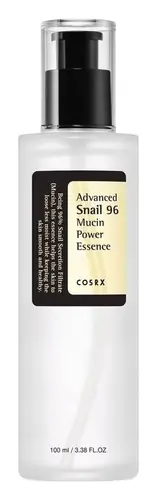
This brightening moisturizer is formulated around 3-O-Ethyl Ascorbic Acid and Ascorbic Acid to brighten dull-looking skin and fade the look of dark spots.
This barrier-repair moisturizer is formulated around Panthenol and Sodium Hyaluronate to strengthen the skin barrier and hydrate skin.


What's inside
What's inside
 Key Ingredients
Benefits
Concerns
Ingredients Side-by-side
Water
Skin ConditioningPropylene Glycol
Humectant


Ethylhexyl Isononanoate
EmollientEthylene/Propylene Copolymer
Abrasive
Glycol Palmitate
Emulsifying
Ethyl Aspartate
Skin ConditioningSorbitan Olivate
Emulsifying
Cyclomethicone
Emollient
Disiloxane
Skin Conditioning
Alcohol
Antimicrobial


Asparagus Officinalis Extract
Skin Conditioning3-O-Ethyl Ascorbic Acid
Skin Conditioning





Ascorbic Acid
Antioxidant


Xanthan Gum
EmulsifyingGlucose
Humectant
Isopropyl Alcohol
Solvent
Methyl Benzophenone
Stabilising1,2-Hexanediol
Skin Conditioning
Water, Propylene Glycol, Ethylhexyl Isononanoate, Ethylene/Propylene Copolymer, Glycol Palmitate, Ethyl Aspartate, Sorbitan Olivate, Cyclomethicone, Disiloxane, Alcohol, Asparagus Officinalis Extract, 3-O-Ethyl Ascorbic Acid, Ascorbic Acid, Xanthan Gum, Glucose, Isopropyl Alcohol, Methyl Benzophenone, 1,2-Hexanediol
Water
Skin ConditioningGlycerin
Humectant
Butylene Glycol
Humectant
Glycereth-26
Humectant
1,2-Hexanediol
Skin Conditioning
Hydroxyacetophenone
Antioxidant
Acrylates/C10-30 Alkyl Acrylate Crosspolymer
Emulsion StabilisingPanthenol
Skin Conditioning
Hydroxyethylpiperazine Ethane Sulfonic Acid
BufferingDiglycerin
Humectant
Propylene Glycol
Humectant
Triethanolamine
BufferingMethylpropanediol
SolventSodium Hyaluronate
Humectant
Allantoin
Skin Conditioning
Glucose
Humectant
Sophora Angustifolia Root Extract
Skin ConditioningStephania Tetrandra Root Extract
Skin ConditioningHydrolyzed Hyaluronic Acid
Humectant
Cnidium Monnieri Fruit Extract
HumectantGlycyrrhiza Uralensis Root Extract
Skin Conditioning
Phellodendron Amurense Bark Extract
Skin ConditioningPhenoxyethanol
Preservative
Caprylic/Capric Triglyceride
Masking
Chlorella Vulgaris Extract
Skin ConditioningSpirulina Platensis Extract
Skin ProtectingHydrogenated Lecithin
Emulsifying
Chlorphenesin
Antimicrobial
Hexylene Glycol
EmulsifyingStearic Acid
Cleansing
Cholesterol
Emollient
Ceramide NP
Skin Conditioning
Water, Glycerin, Butylene Glycol, Glycereth-26, 1,2-Hexanediol, Hydroxyacetophenone, Acrylates/C10-30 Alkyl Acrylate Crosspolymer, Panthenol, Hydroxyethylpiperazine Ethane Sulfonic Acid, Diglycerin, Propylene Glycol, Triethanolamine, Methylpropanediol, Sodium Hyaluronate, Allantoin, Glucose, Sophora Angustifolia Root Extract, Stephania Tetrandra Root Extract, Hydrolyzed Hyaluronic Acid, Cnidium Monnieri Fruit Extract, Glycyrrhiza Uralensis Root Extract, Phellodendron Amurense Bark Extract, Phenoxyethanol, Caprylic/Capric Triglyceride, Chlorella Vulgaris Extract, Spirulina Platensis Extract, Hydrogenated Lecithin, Chlorphenesin, Hexylene Glycol, Stearic Acid, Cholesterol, Ceramide NP
Reviews
Alternatives
Ingredients Explained
These ingredients are found in both products.
Ingredients higher up in an ingredient list are typically present in a larger amount.
1,2-Hexanediol is a synthetic liquid and another multi-functional powerhouse.
It is a:
- Humectant, drawing moisture into the skin
- Emollient, helping to soften skin
- Solvent, dispersing and stabilizing formulas
- Preservative booster, enhancing the antimicrobial activity of other preservatives
Glucose is a simple sugar (a monosaccharide). In skincare, it is mostly a humectant and skin conditioning agent.
Mechanistically, it has multiple hydroxyl groups that hydrogen-bond to water. This pulls moisture into the upper layers of skin to keep the surface soft and hydrated.
It's worth knowing sugars are already a natural component of the skin's NMF (natural moisturizing factor) so it's a molecule that your stratum corneum is well-acquainted with.
Just so you know, glucose is hydrophilic (water-loving) and the stratum corneum is a strong barrier to hydrophilic compounds. This just means penetration is slow and most of the action is happening on the surface.
Gram-to-gram, glucose is not as efficient as a humectant as glycerin. This is why you'll likely see glycose paired with stronger humectants for a bigger hydration payoff.
In skincare, glucose is typically derived from corn or other starch sources.
Learn more about GlucosePropylene Glycol is a synthetic, colorless, odorless liquid that has been a staple in cosmetics for decades. It is a skin conditioning agent, humectant, and solvent.
As a humectant, it draw water to the skin to reduce flaking and restore suppleness. It's also a solvent that helps dissolve other actives and keeps formulas stable across temperature changes.
The CIR Expert Panel has confirmed this ingredient to be nontoxic and clinical studies show no sensitization at cosmetic use concentrations.
True allergic reactions are quite rare: a 15-year retrospective study of 6,751 patients found only 0.31% had a positive reaction (and less than half were considered clinically relevant).
It seemed that when sensitization does occur, it's most commonly linked to topical medication (like corticosteroids) and not cosmetics. Allergic contact dermatitis also appears largely limited to individuals with underlying skin conditions.
Overall, propylene glycol is a well-studied ingredient that most people can tolerate without issue.
Learn more about Propylene GlycolWater. It's the most common cosmetic ingredient of all. You'll usually see it at the top of ingredient lists, meaning that it makes up the largest part of the product.
So why is it so popular? Water most often acts as a solvent - this means that it helps dissolve other ingredients into the formulation.
You'll also recognize water as that liquid we all need to stay alive. If you see this, drink a glass of water. Remember to stay hydrated!
Learn more about Water